
My Blog
HOME > MY BLOG
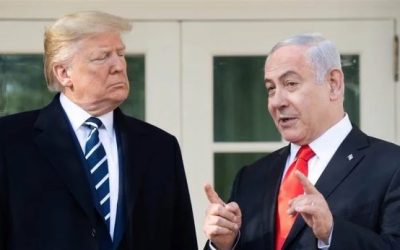
Trump, Netanyahu: A Widening Gulf in Policy
While the broader U.S.-Israel alliance remains intact, the collision of Trump’s transactional “America First” doctrine with Netanyahu’s inflexible security agenda has created unprecedented tensions, particularly regarding Iran, Gaza, regional diplomacy, and economic relations.
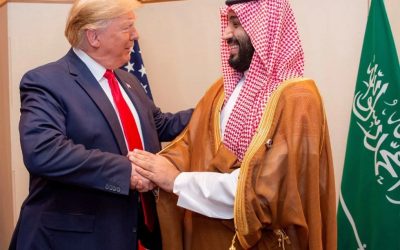
President Trump Undertakes High-Stakes Middle East Trip
A primary objective of the trip aligns with the “America First” doctrine: securing significant economic achievements. The administration seeks multi-billion-dollar investment commitments from the wealthy Gulf monarchies to bolster the U.S. economy. Press Secretary Karoline Leavitt noted that Trump aims to usher in a “golden age” of U.S.-Gulf relations founded on commerce and “peace through strength.”
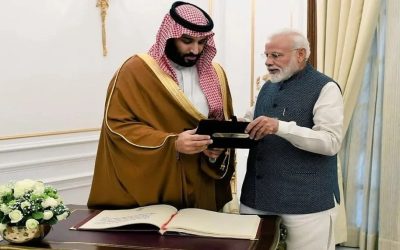
India and Saudi Arabia: Charting a Bold New Trajectory Together
Modi’s visit takes place against a complex regional backdrop in West Asia, which is grappling with ongoing conflicts, such as those in Gaza and Yemen and the resurgence of extremist groups, posing regional and global security threats.
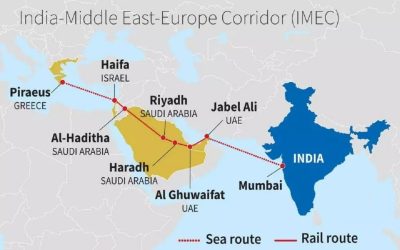
Explained: India-Middle East-Europe Economic Corridor (IMEC)
The IMEC is a planned transcontinental infrastructure network involving railways, shipping lanes, and digital and energy corridors connecting India to Europe through the Middle East. It is poised to become a vital economic and geopolitical initiative fostering regional integration and sustainable development.
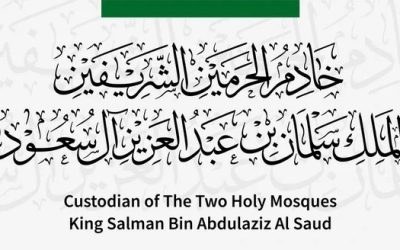
History of the Title “Custodian of the Two Holy Mosques”
The title “Custodian of the Two Holy Mosques”, which translates to “Servant of the Two Noble Sanctuaries” or “Protector of the Two Holy Cities,” carries profound religious and political significance, symbolising stewardship over Islam’s two holiest sites. In the modern era, this designation has transcended ceremonial symbolism to become a strategic asset for Saudi Arabia in regional power struggles, particularly as rivals such as Turkey and Iran vie for influence within the Islamic world.
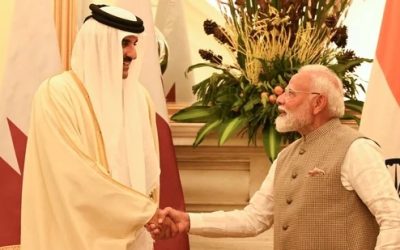
Delhi-Doha Agreement looks beyond energy trade
The India-Qatar relationship has evolved into a multifaceted strategic partnership encompassing security and defence cooperation, health care and education. The India-Qatar relationship illustrates how countries can overcome crises and challenges through pragmatic diplomacy, economic interdependence, and strategic patience.
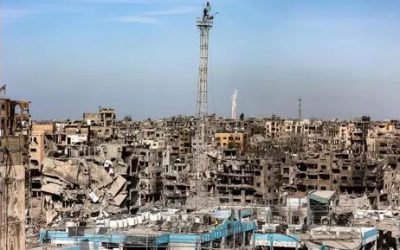
Truce to Peace, the Challenge in Gaza
After fifteen months of devastating conflict, Israel and Hamas have reached a ceasefire deal that aims to stop violence in Gaza and facilitate the release of hostages. The agreement, brokered by Qatar, Egypt, and the United States, marks a significant turning point in the long-standing Israeli-Palestinian conflict and raises hopes for lasting peace in the Middle East.
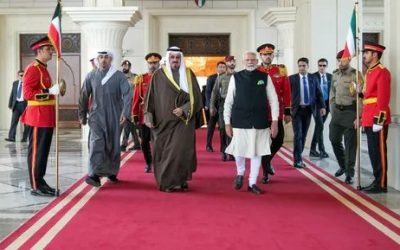
Changing Contours of India’s Relationship with the Gulf Countries
The changing geopolitical landscape, marked by a perceived US rebalancing, Russia’s setbacks in Syria, and a weakened Iran juxtaposed with a strengthened Israel, offers new opportunities for a stronger India-GCC strategic partnership to play a more proactive role in regional stability.
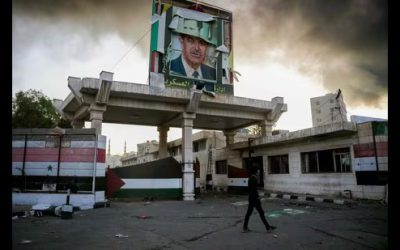
Arab Spring in Syria marks a Power Shift
The collapse of the Assad regime has far-reaching consequences. There is genuine fear that Syria could become a safe haven for extremist groups. The collapse of Assad’s regime represents a seismic shift in Middle Eastern geopolitics with far-reaching consequences. It significantly affected Russia and Iran’s influence in the region, severely weakening and disrupting Iran’s “Axis of Resistance.”