

Former Indian Ambassador, Author, Toastmaster, Strategic Advisor and West Asia Analyst
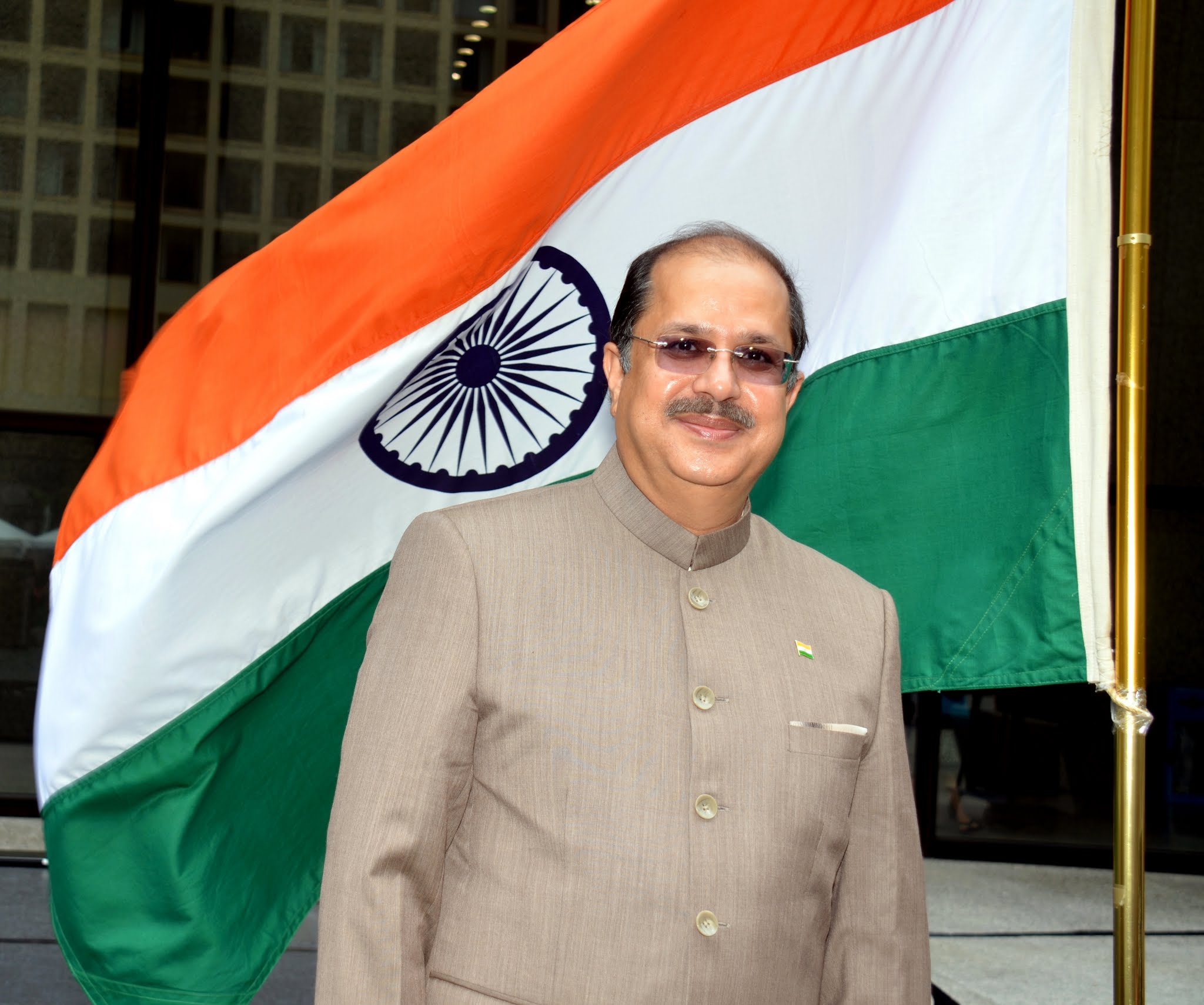
Dr. Ausaf Sayeed
Ambassador Dr Ausaf Sayeed (b. September 18, 1963) is a seasoned Indian diplomat (IFS 1989 Batch) and strategic thinker who has served as Secretary (CPV and OIA) in the Ministry of External Affairs, as Ambassador of India to Saudi Arabia and Yemen, and as High Commissioner to Seychelles.
He also served as a diplomat in Egypt, Saudi Arabia, Qatar, Denmark, Yemen and Chicago. In India, he served as Joint Secretary (West Africa) in Delhi and as Regional Passport Officer in Hyderabad.
As Secretary (CPV & OIA), he was responsible for all matters relating to Consular, Passport, Visas, Overseas Emigration, and NRI & Overseas Indian Affairs, as well as affairs of GCC and WANA countries.
During his nearly 34 years of diplomatic service, Dr Sayeed has represented India’s interests in the political, economic, consular, and cultural realms and has fostered friendly relationships with nations around the world.




My Journey
Dr Ausaf Sayeed has handled various areas of work over his nearly 34 years of diplomatic service, including political, economic, consular, and cultural work, as well as Hajj management.
Dr Ausaf Sayeed holds a Master of Science and a PhD in Geology from Osmania University in Hyderabad, India, and an Advanced Diploma in Arabic from the American University in Cairo. He is a Competent Toastmaster (CTM) and recipient of Shri Y.G.K.Murthy Gold Medal from Osmania University, Hyderabad. The prestigious Yoga Mithra Award was also conferred on him by the S-Vyasa University for his efforts to promote Yoga in Saudi Arabia.
Delhi, India
Secretary (CPV & OIA)
Ministry of External Affairs
2022 – 2023
Riyadh, Saudi Arabia
Ambassador of India
2019 – 2022
Mahe, Seychelles
High Commissioner of India
2017 – 2019
Chicago, USA
Consul General of India
2013 – 2017
Sanaa, Yemen
Ambassador of India
2010 – 2013
Years in Service
Countries Worked in
Countries Visited
Photo Gallery
Dr. Ausaf Sayeed
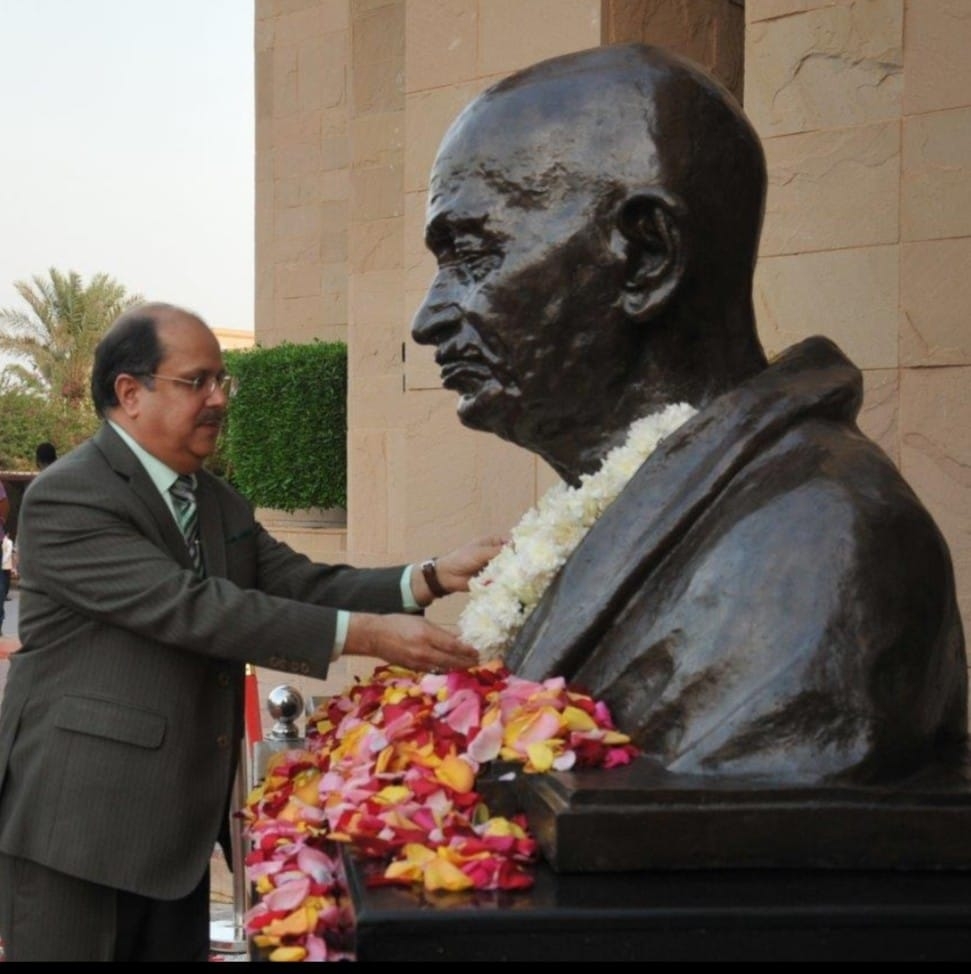
Gandhi Jayanti in Riyadh
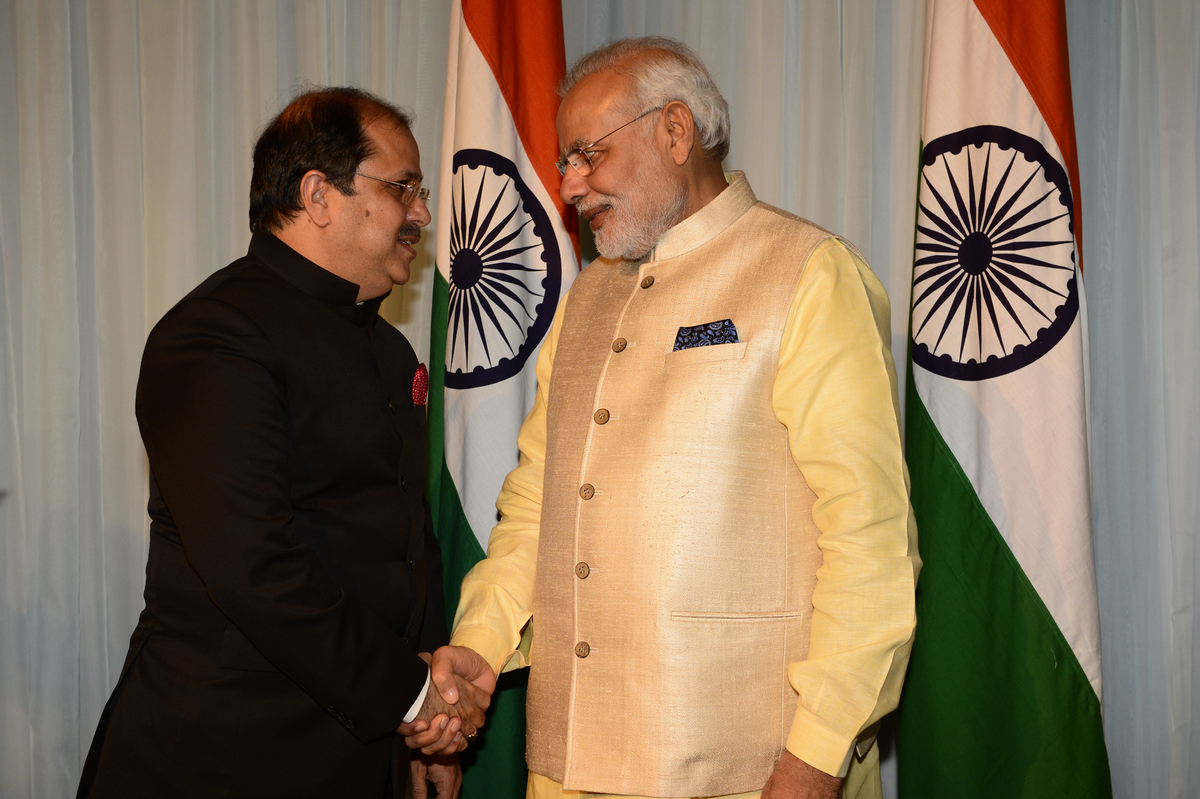
With Prime Minister Narendra Modi
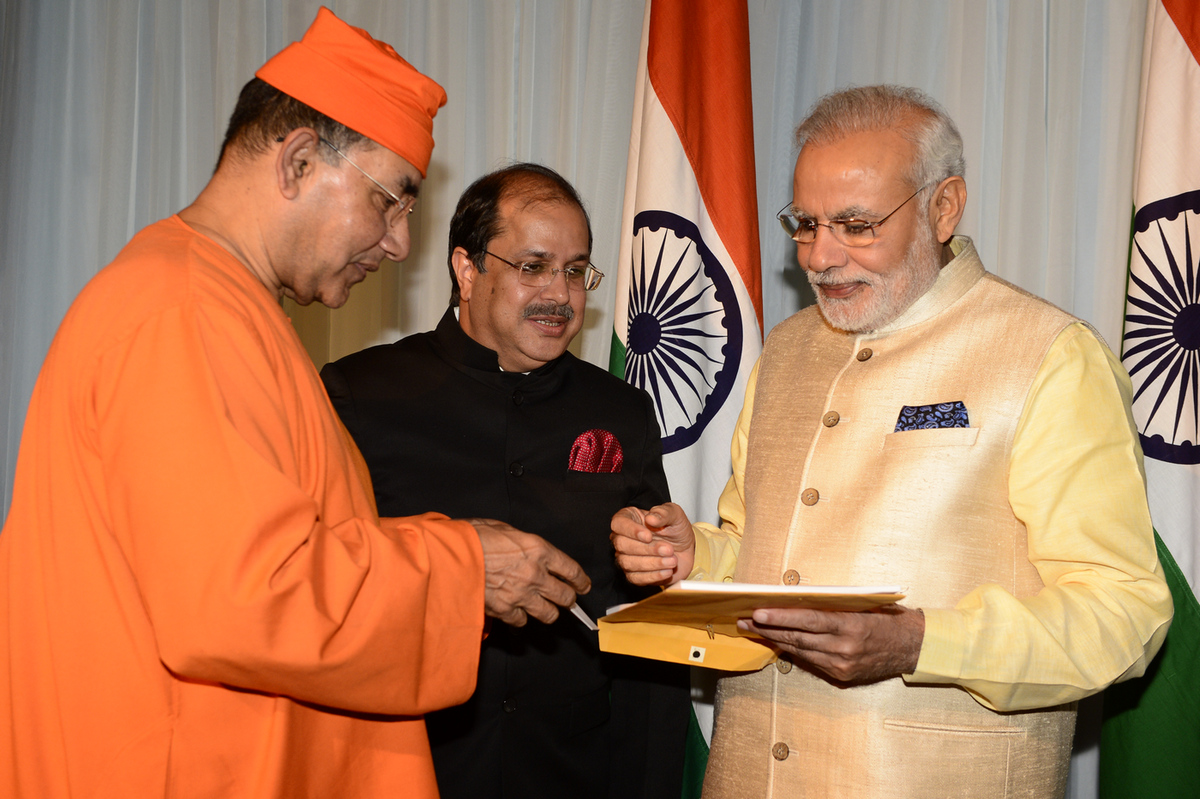
With PM Modi and Swami Ishatmananda
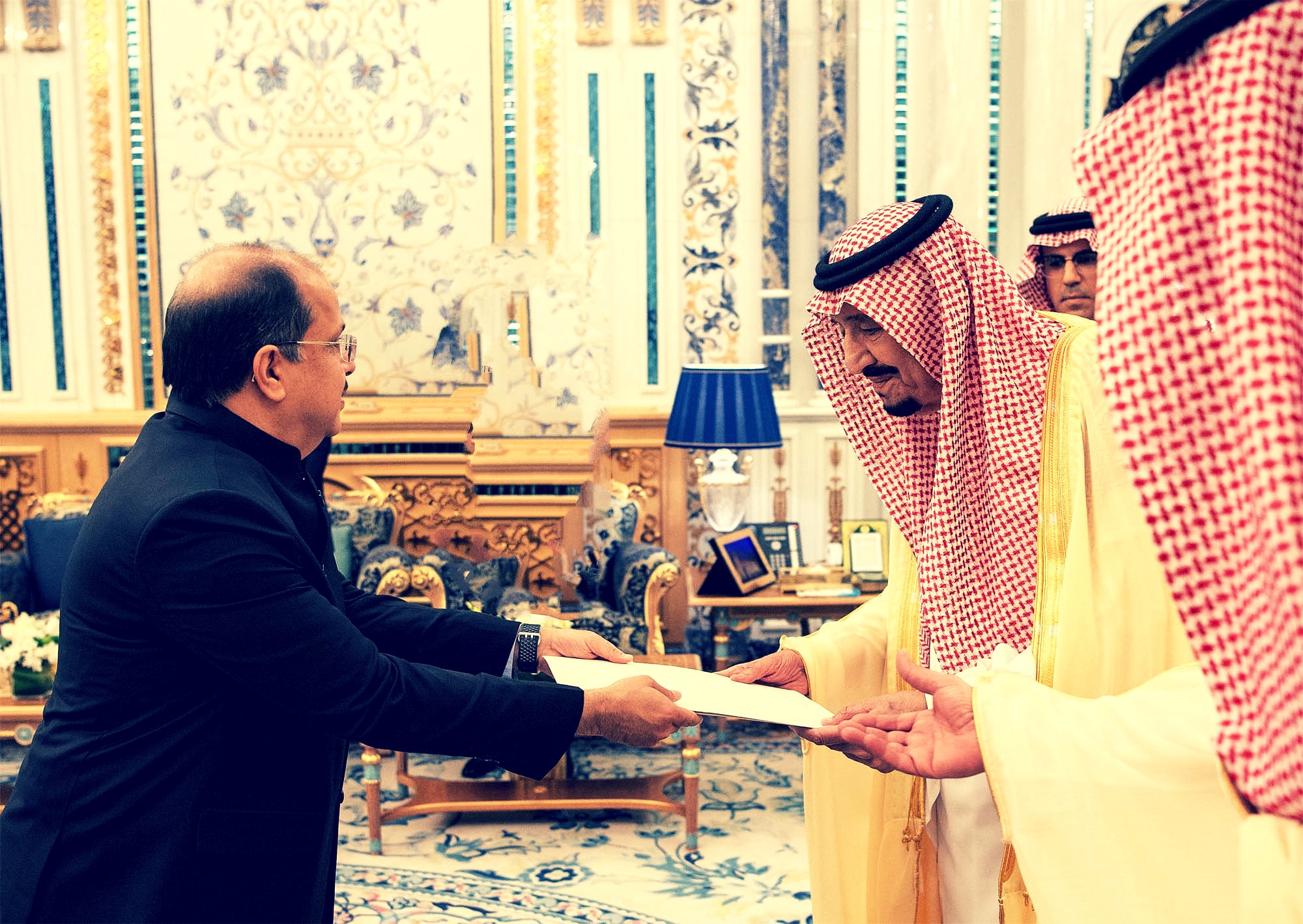
With His Majesty King Salman bin Abdulaziz Al Saud
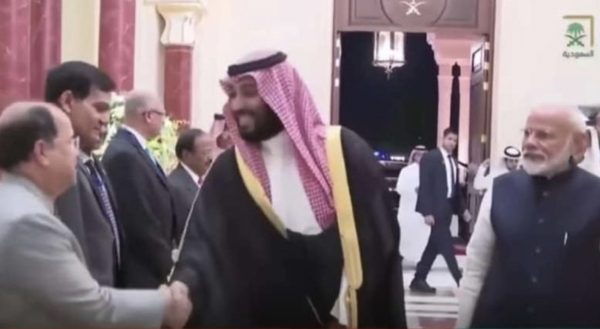
With Crown Prince HRH Mohammad Bin Salman
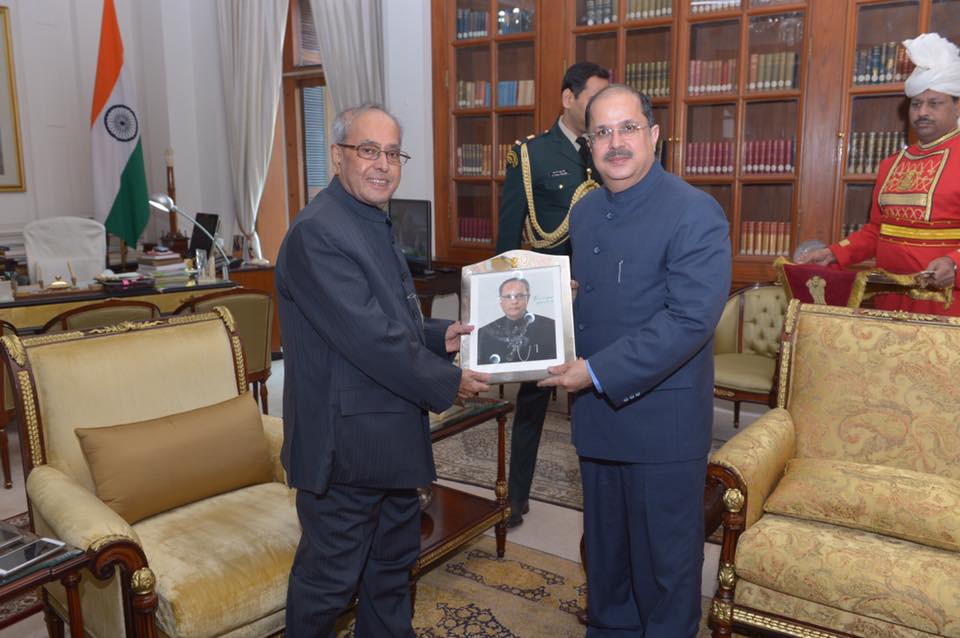
With former President Pranab Mukherjee
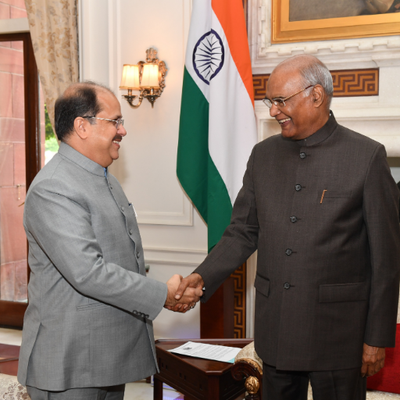
With former President Ram Nath Kovind
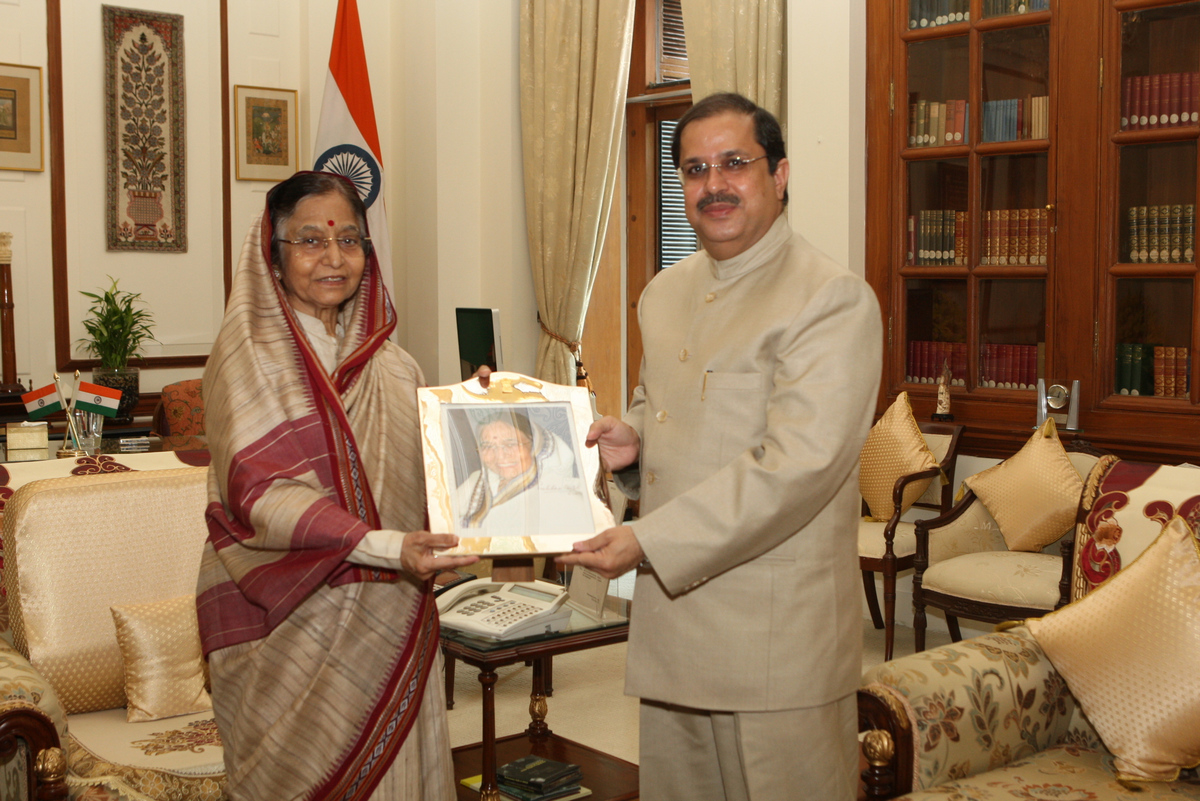
With former President Smt. Pratibha Patil
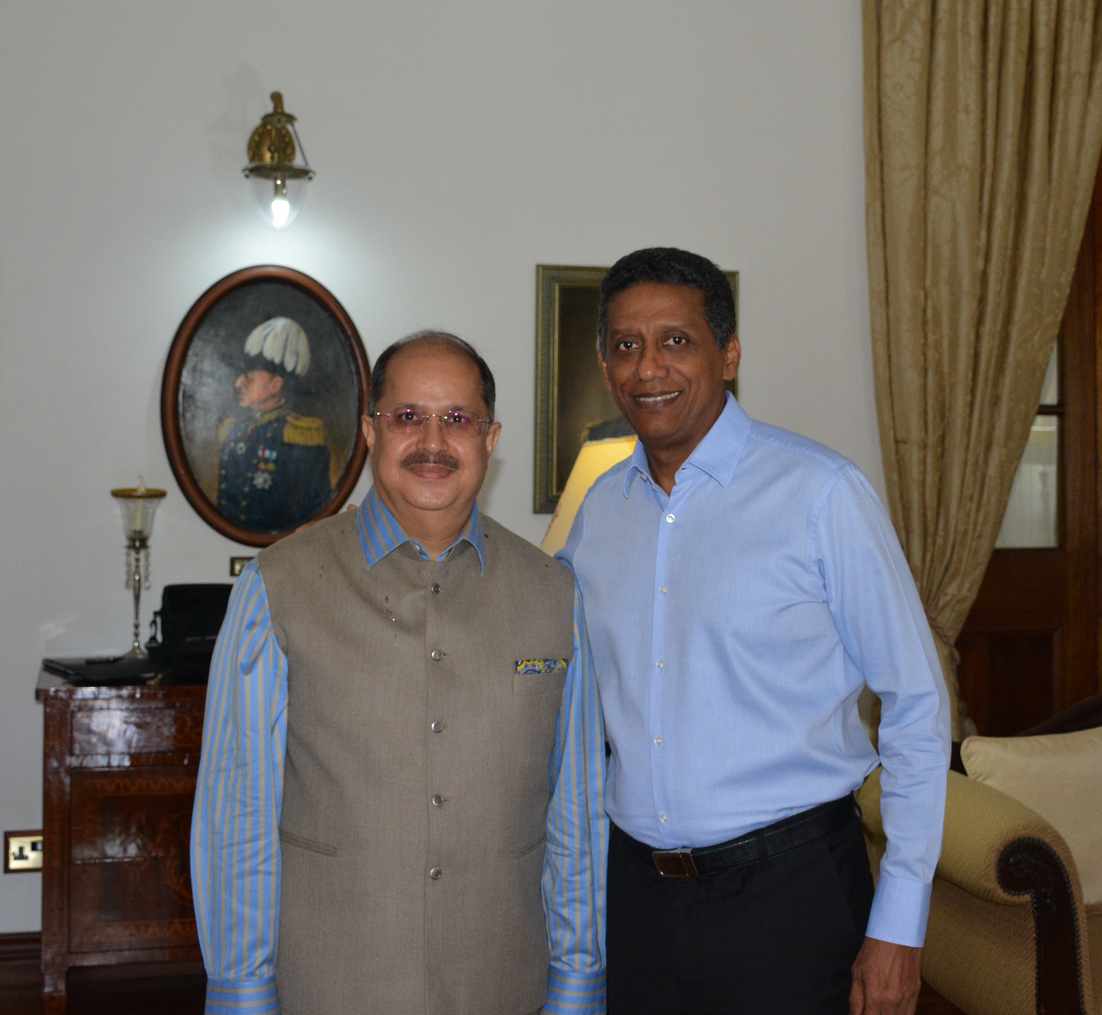
With former President Danny Faure of Seychelles
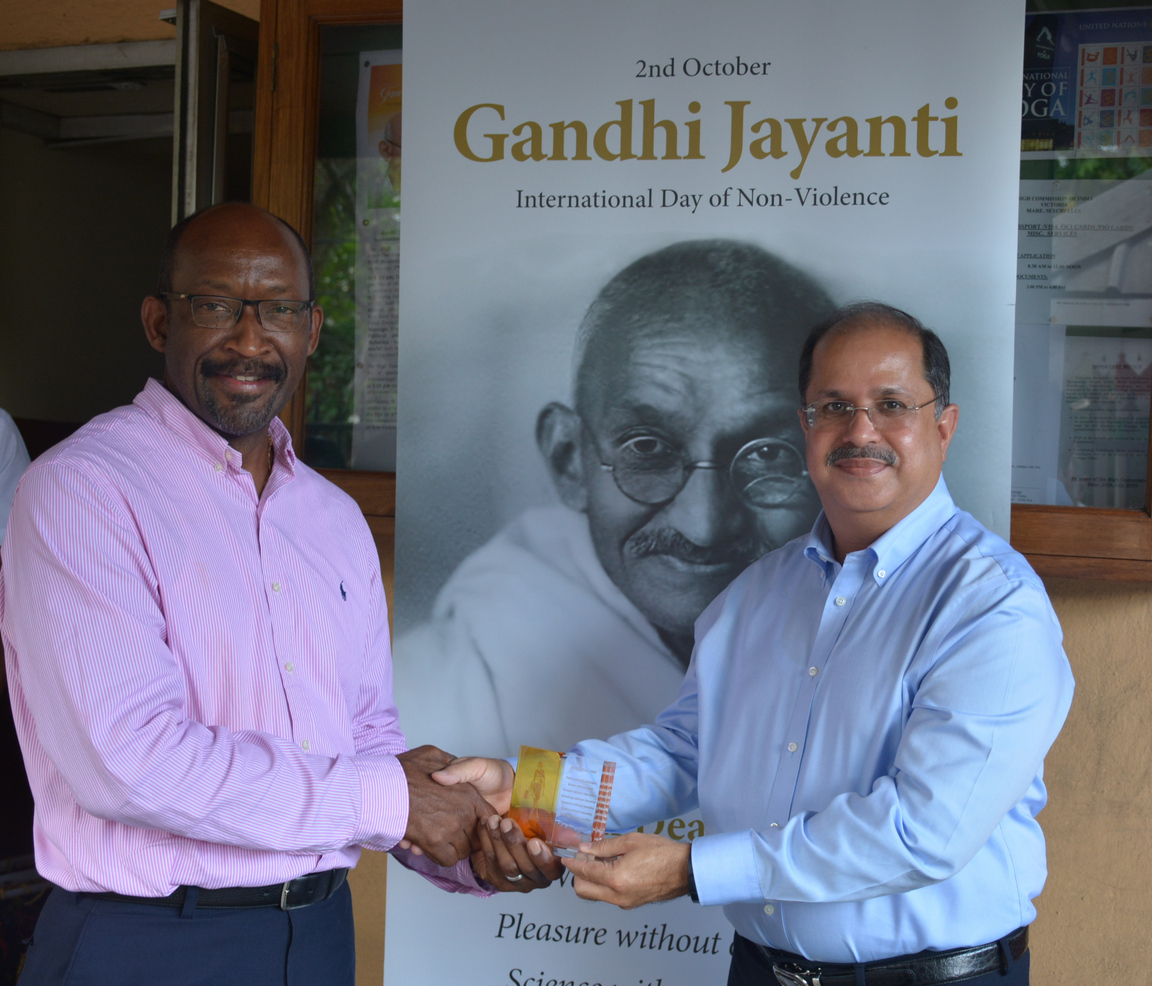
With Vice-President Vincent Meriton of Seychelles
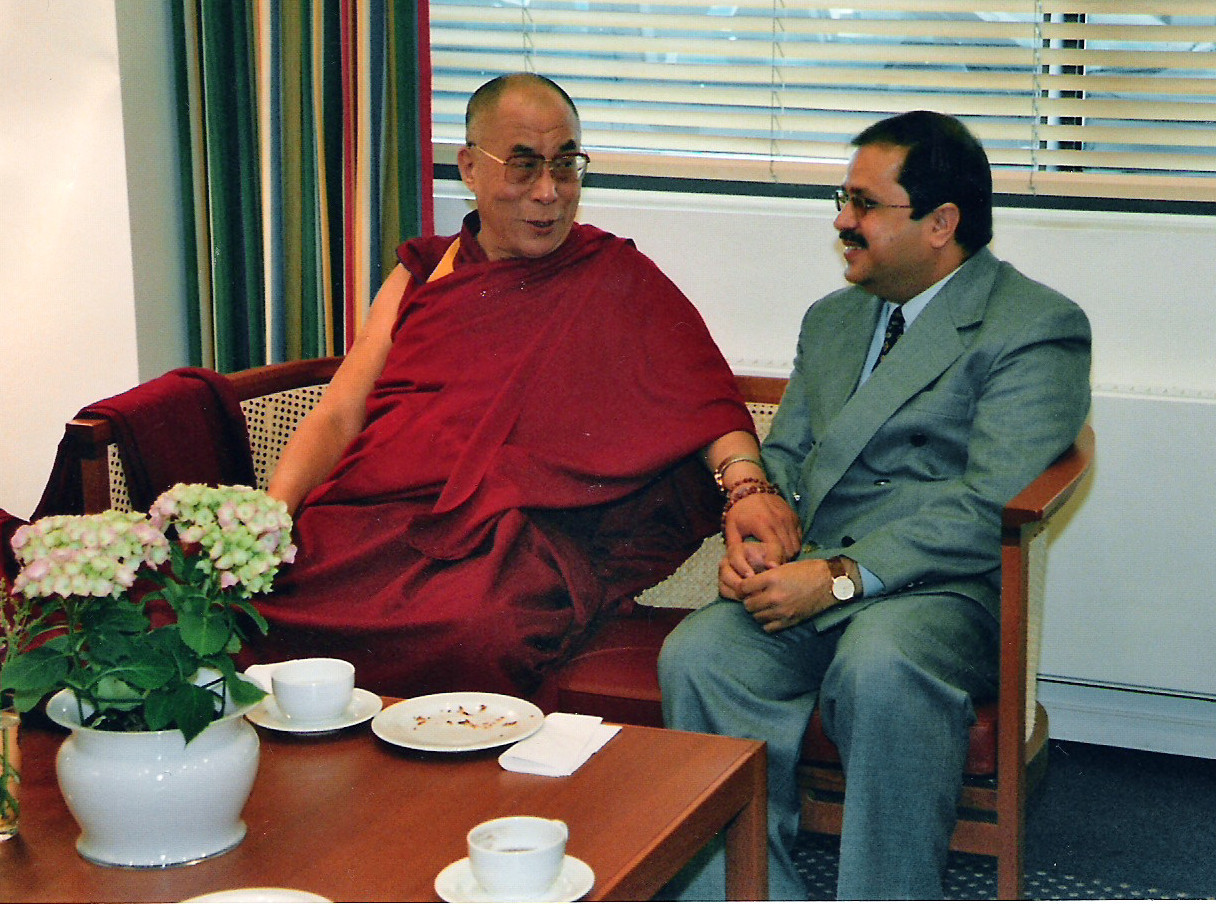
Dalai_Lama
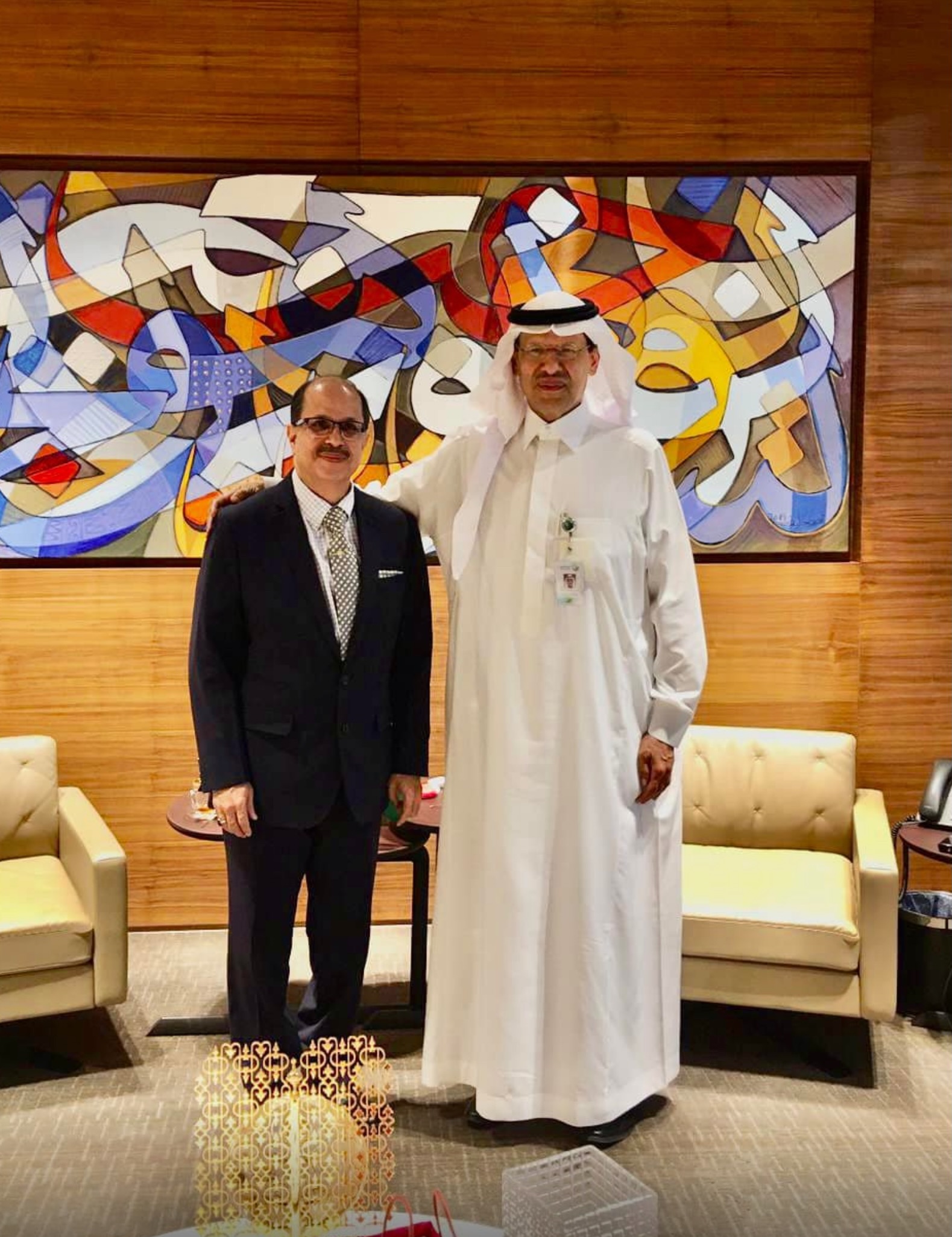
With HRH Prince AdbulAziz Bin Salman
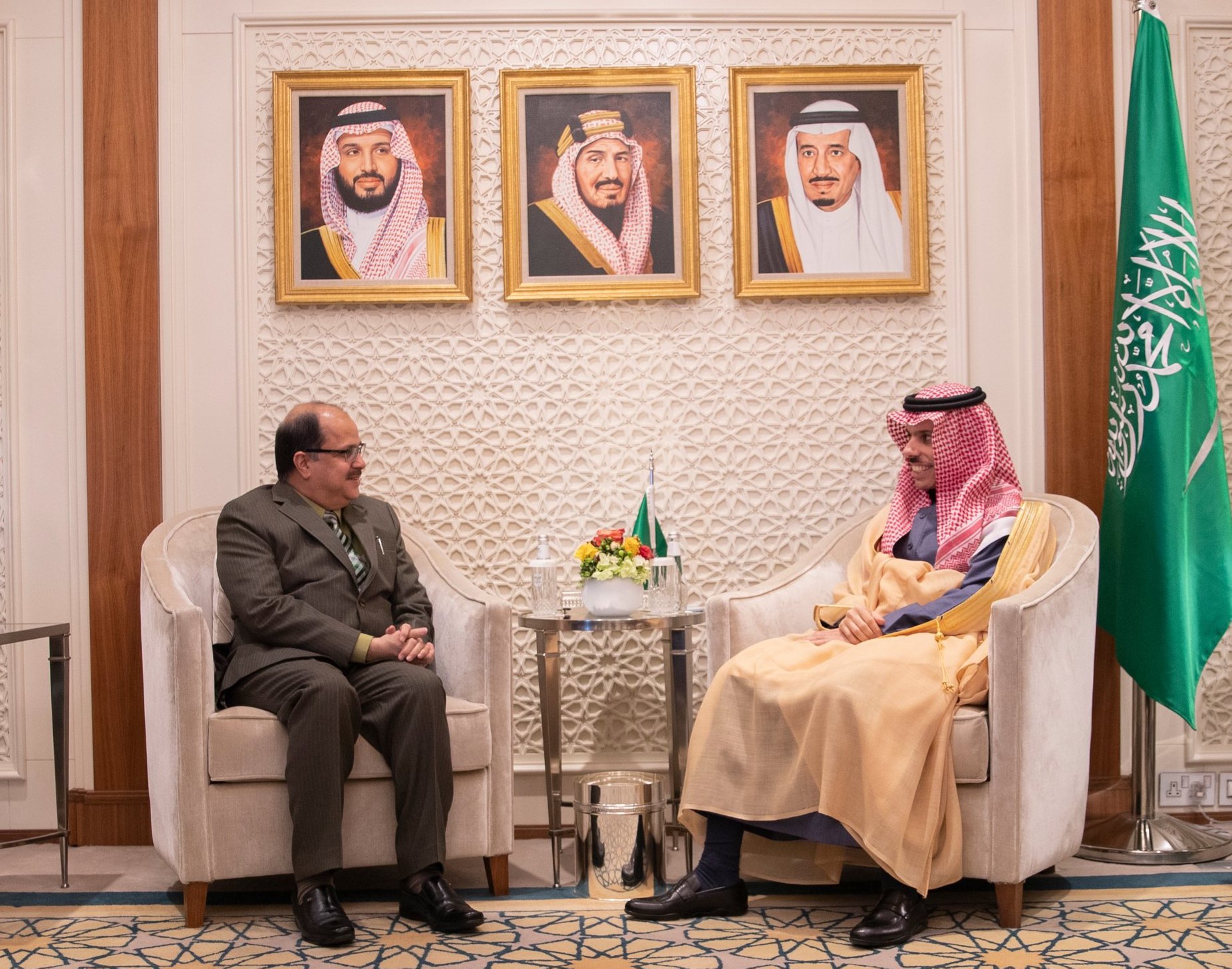
With Saudi Foreign Minister HH Faisal Bin Farhan
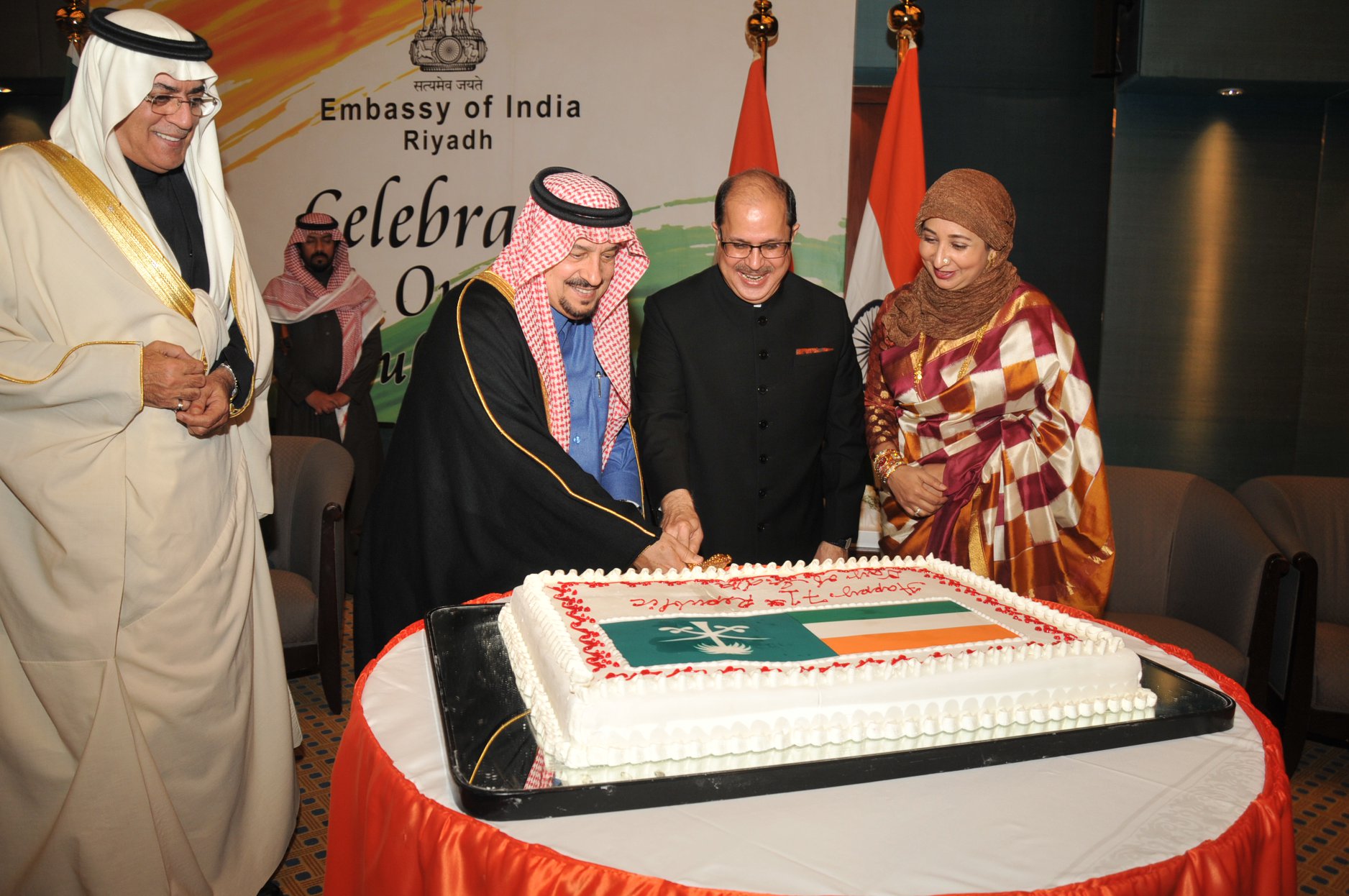
Republic Day Celebrations in Riyadh, 2020
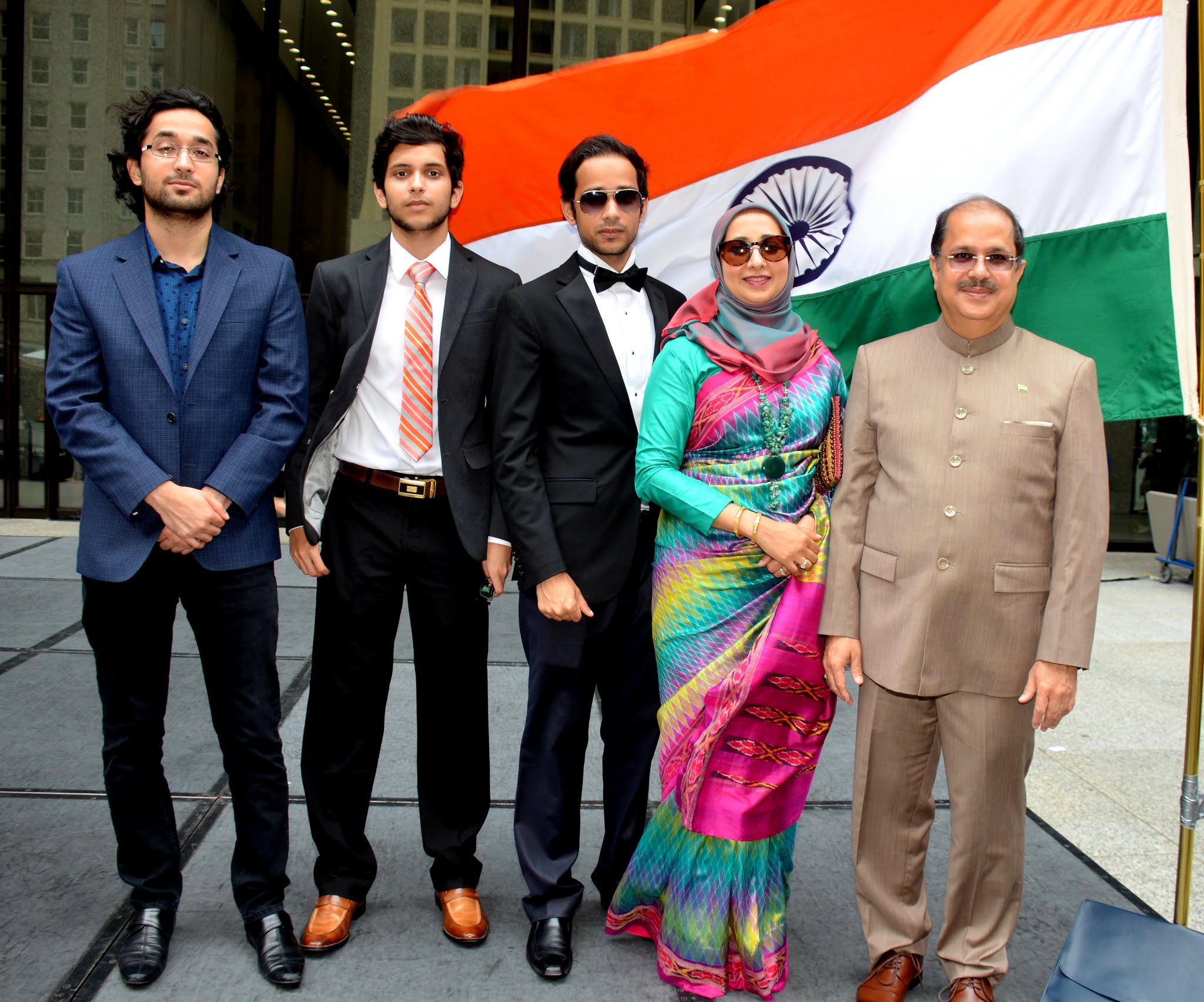
Independence Day Celebrations 2016, Chicago
My Publications
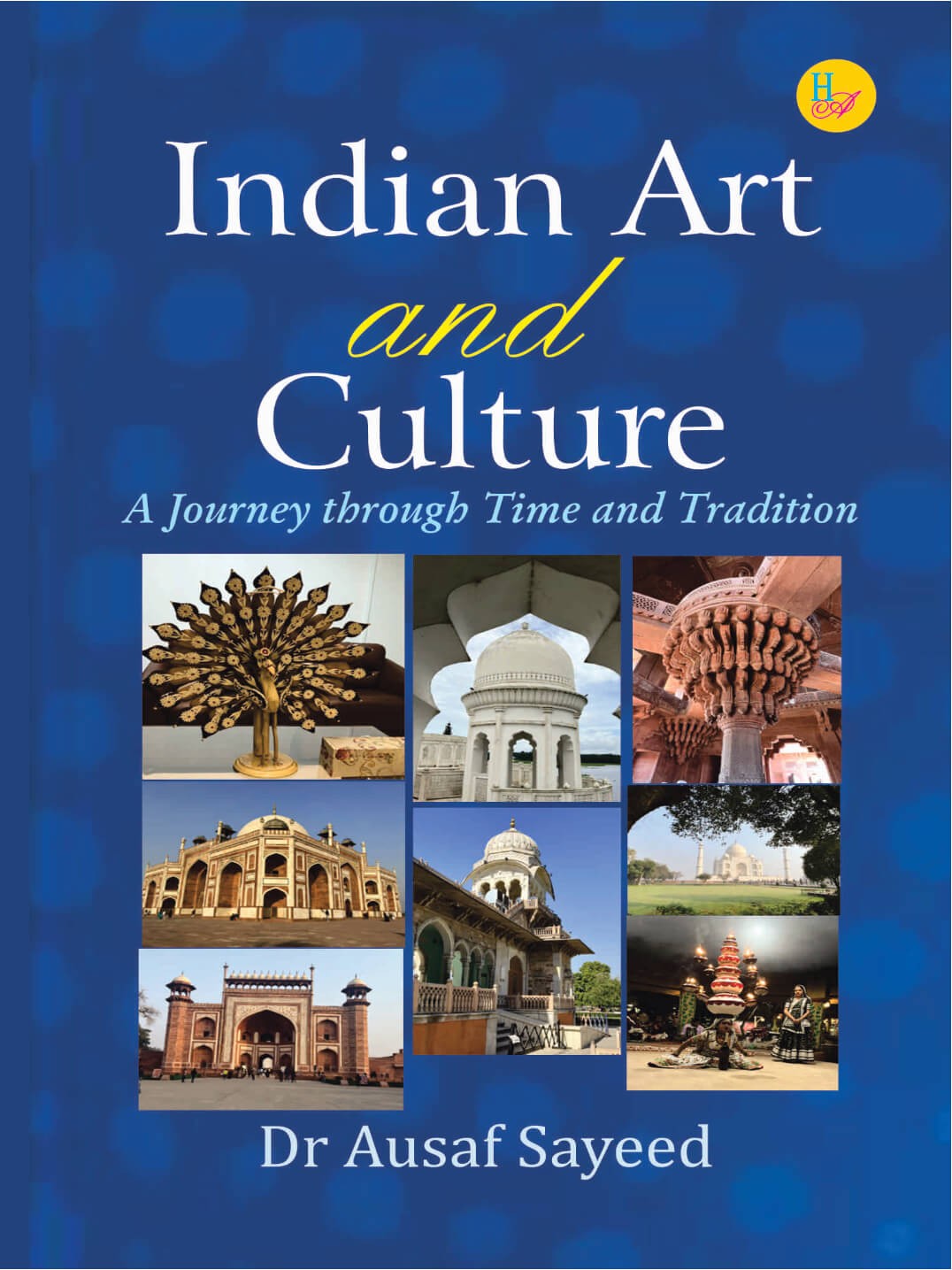
Indian Art & Culture – Time & Tradition
Indian Art & Culture
Trends In Indian Culture And Heritage
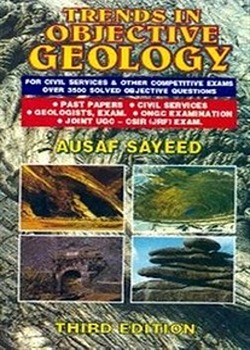
Trends in Objective Geology
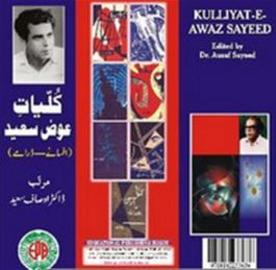
Kulliyat-e-Awaz Sayeed
Latest Blogs and Articles

Fighting Hunger – Building Hope
We relished a delicious and sumptuous dinner and satiated ourselves with a fine dessert. Now if we pause for a moment and ponder: How many people in the world were as lucky as we are to get a satisfactory dinner that could give them peaceful sleep in the night?
Almost 870 million people across the globe may go to bed hungry tonight, 200 million of them children!! That means that one in every eight people on Earth goes to bed hungry each night!
Hunger is number one on the list of the world’s top 10 health risks. It kills more people every year than AIDS, Malaria and Tuberculosis combined.
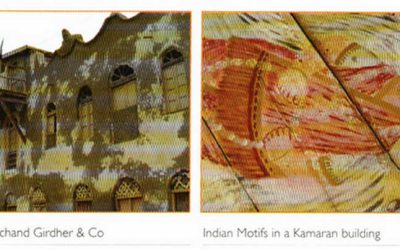
Kamaran Island — Transit for Indian Hajj Pilgrims in the past
Kamaran or the ‘Island of two Moons’ is considered the largest shelf-island in the Red Sea. It was first mentioned in the “History of World Ports” in 525 A.D. Kamaran has been occupied by various foreign powers during its history, which include Ethiopians, Mamaluks, Persians, Portuguese, Turks and the British.
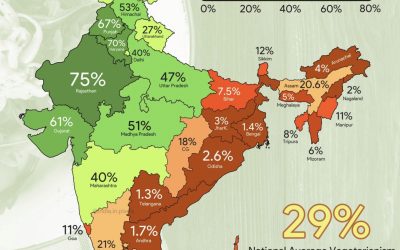
The Rich History and Tradition of Vegetarianism in India
India, the world’s second most populous country, with a population of over 1.2 billion, has around 500 million vegetarians. Vegetarianism is a mainstream way of life with 42% of Indian households eschewing meat, fish and eggs. This constitutes 70% of the world’s vegetarians. India has more vegetarians than all the world’s vegetarians put together. Vegetarianism is ingrained in Indian society, and there are laws requiring all packaged products to be labelled with a mandatory mark showing if the product is vegetarian or non-vegetarian.
The Beauty of Indian Civilization
ndia, or Bharat, the fifth largest and the second most populated country in the world, is one of the few countries that can boast of an ancient, deep-rooted, and diverse culture, that stretches back to 5,000 years. In ancient times, India was known as 'Bharata...
History of Urdu Literature
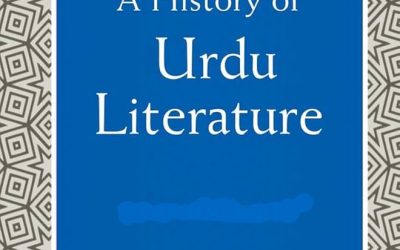
Urdu writing in its various primitive forms can be traced to Muhammad Urfi, Amir Khusro, and Kwaja Muhammad Husaini. The earliest writings in Urdu were in the Dakhni (Deccani) dialect. The Sufi-saint Hazrat Khwaja Banda Nawaz Gesudaraz is considered the first prose writer of Dakhni Urdu.
The first literary work in Urdu is that of Fakhruddin Nizami’s ‘mathnavi’ ‘Kadam Rao Padam Rao’ written during 1421 and 1434 A.D. Muhammed Quli Qutb Shah, the greatest of the Golconda rulers and a distinguished poet, is credited with introducing a secular content to the otherwise predominantly religious Urdu poetry.
Jarawa Tribes – Confluence of the Present with the Past
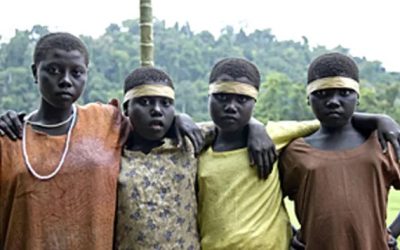
The Andaman and Nicobar Islands of India are the treasure houses of several primitive tribes, many of which are facing extinction. The tribes are primarily of two stocks: Mongoloid and the Negroid. The Great Andamanese, Onges, Jarawas and Sentinelese are dominant among the Negroid tribes and are concentrated in the Andaman District. Their background and origin are unclear and continue to be a subject of speculation among scholars and anthropologists. Studies have indicated that the Onges tribes have been living in the Andamans for the last 60,000 years.
In The News
Contact Me

Sharing link to the EGROW Webinar on 'BRICS and Global South':
Sharing my interview on The Gist @StratNewsGlobal on the developing situation along the Red Sea following the Houthi takeover of the Bab Al-Mandab and its implications for India: https://youtu.be/vV8aV6UA48A?si=Df-FEgd99u88Ibak
My interview with @RT_India_news on the dangerous situation developing along the Red Sea following the Houti advancement to the Bab Al-Mandab: https://yadi.sk/i/wGWUrnWCfuIDQw

'The Most Significant Development Since The Start Of The US-Iran Conflict' - Former Ambassador Of India To Saudi Arabia @drausaf, After Alleged Attempted Attack On Mecca