
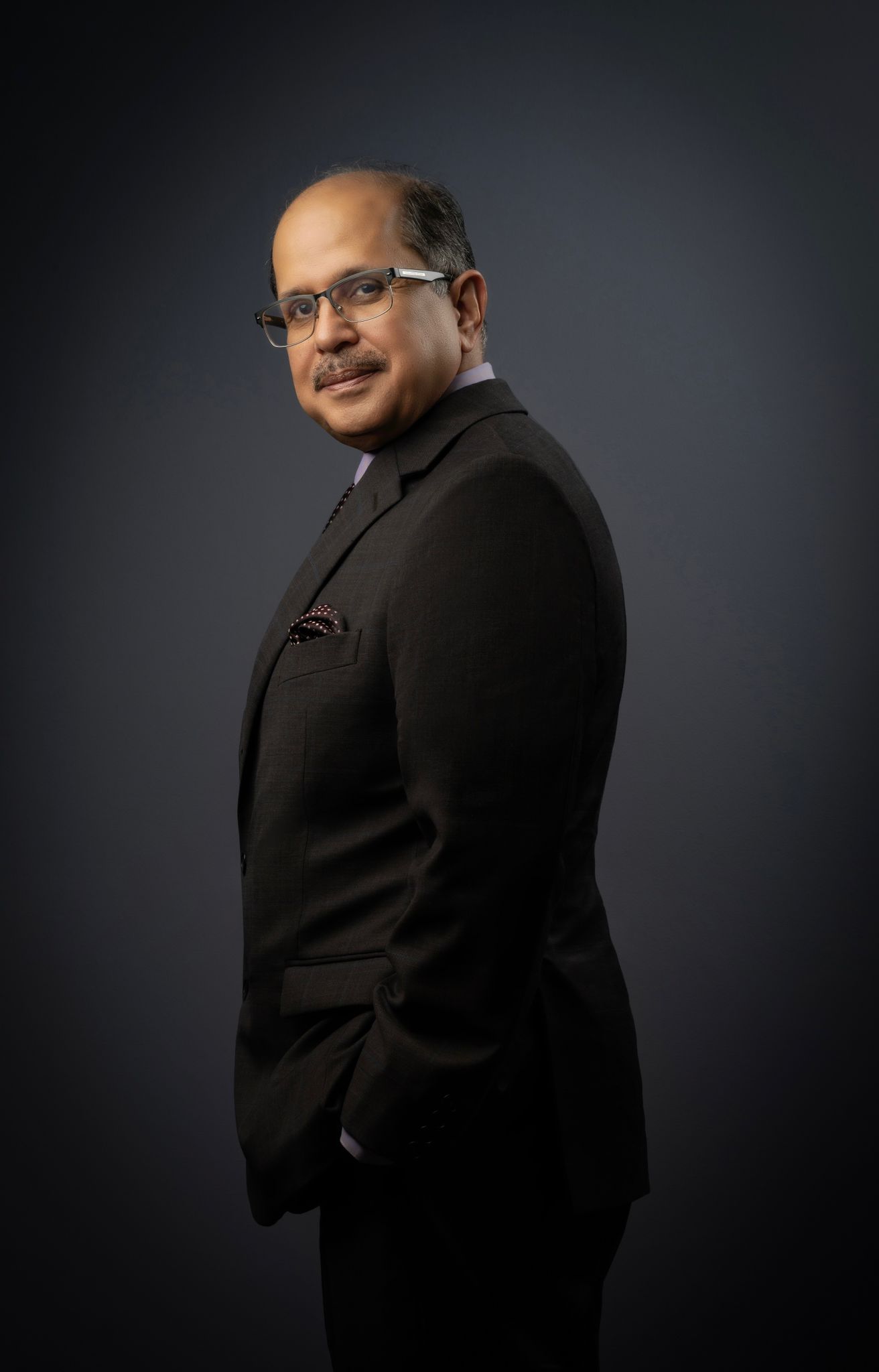
Former Indian Ambassador, Author, Toastmaster, Strategic Advisor and West Asia Analyst
Dr. Ausaf Sayeed
Ambassador Dr Ausaf Sayeed (b. September 18, 1963) is a seasoned Indian diplomat (IFS 1989 Batch) and strategic thinker who has served as Secretary (CPV and OIA) in the Ministry of External Affairs, as Ambassador of India to Saudi Arabia and Yemen, and as High Commissioner to Seychelles.
He also served as a diplomat in Egypt, Saudi Arabia, Qatar, Denmark, Yemen and Chicago. In India, he served as Joint Secretary (West Africa) in Delhi and as Regional Passport Officer in Hyderabad.
As Secretary (CPV & OIA), he was responsible for all matters relating to Consular, Passport, Visas, Overseas Emigration, and NRI & Overseas Indian Affairs, as well as affairs of GCC and WANA countries.
During his nearly 34 years of diplomatic service, Dr Sayeed has represented India’s interests in the political, economic, consular, and cultural realms and has fostered friendly relationships with nations around the world.





My Journey
Dr Ausaf Sayeed has handled various areas of work over his nearly 34 years of diplomatic service, including political, economic, consular, and cultural work, as well as Hajj management.
Dr Ausaf Sayeed holds a Master of Science and a PhD in Geology from Osmania University in Hyderabad, India, and an Advanced Diploma in Arabic from the American University in Cairo. He is a Competent Toastmaster (CTM) and recipient of Shri Y.G.K.Murthy Gold Medal from Osmania University, Hyderabad. The prestigious Yoga Mithra Award was also conferred on him by the S-Vyasa University for his efforts to promote Yoga in Saudi Arabia.
Delhi, India
Secretary (CPV & OIA)
Ministry of External Affairs
2022 – 2023
Riyadh, Saudi Arabia
Ambassador of India
2019 – 2022
Mahe, Seychelles
High Commissioner of India
2017 – 2019
Chicago, USA
Consul General of India
2013 – 2017
Sanaa, Yemen
Ambassador of India
2010 – 2013
Years in Service
Countries Worked in
Countries Visited
Photo Gallery
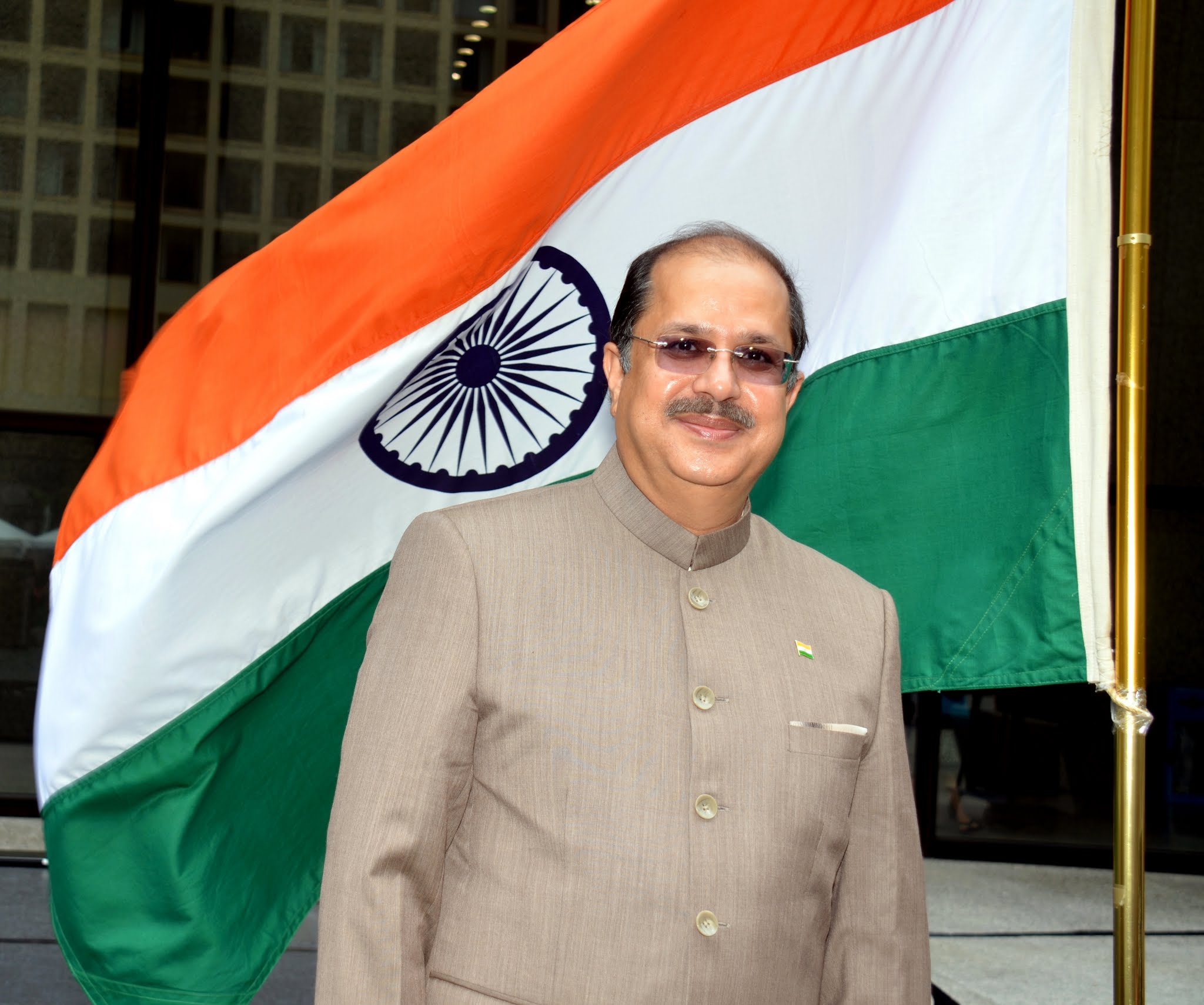
Dr. Ausaf Sayeed
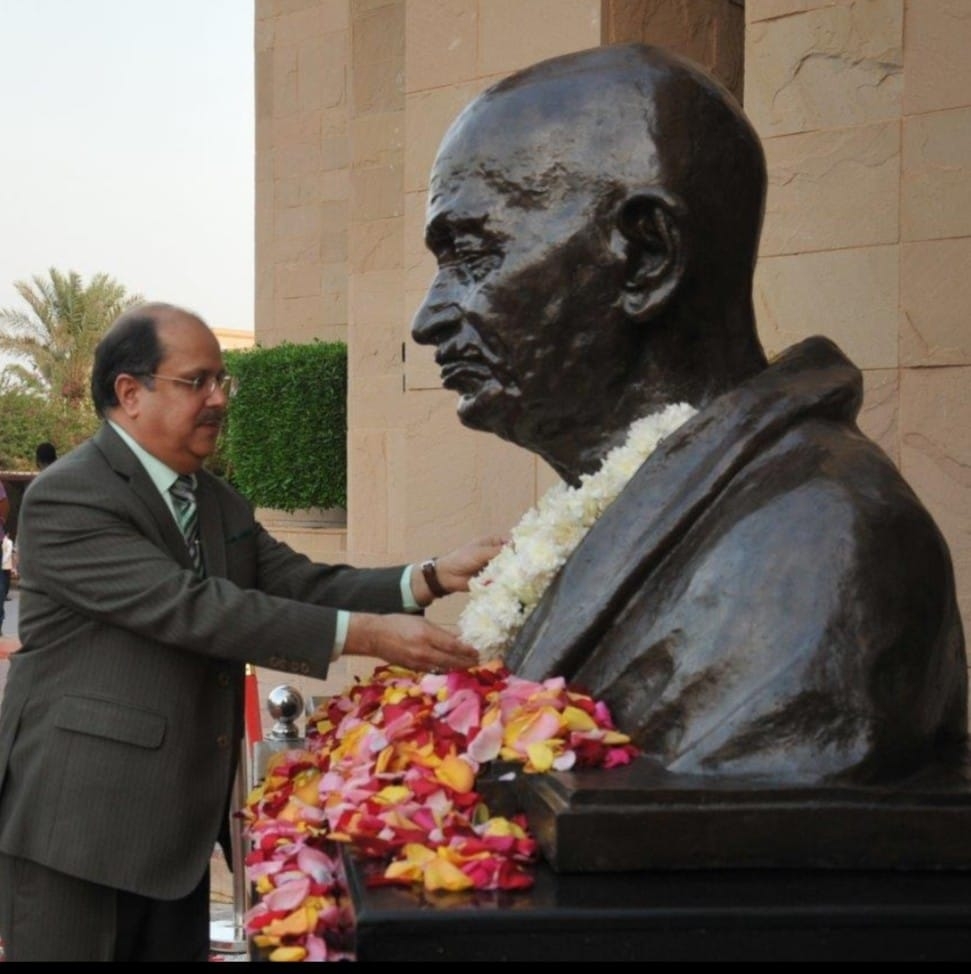
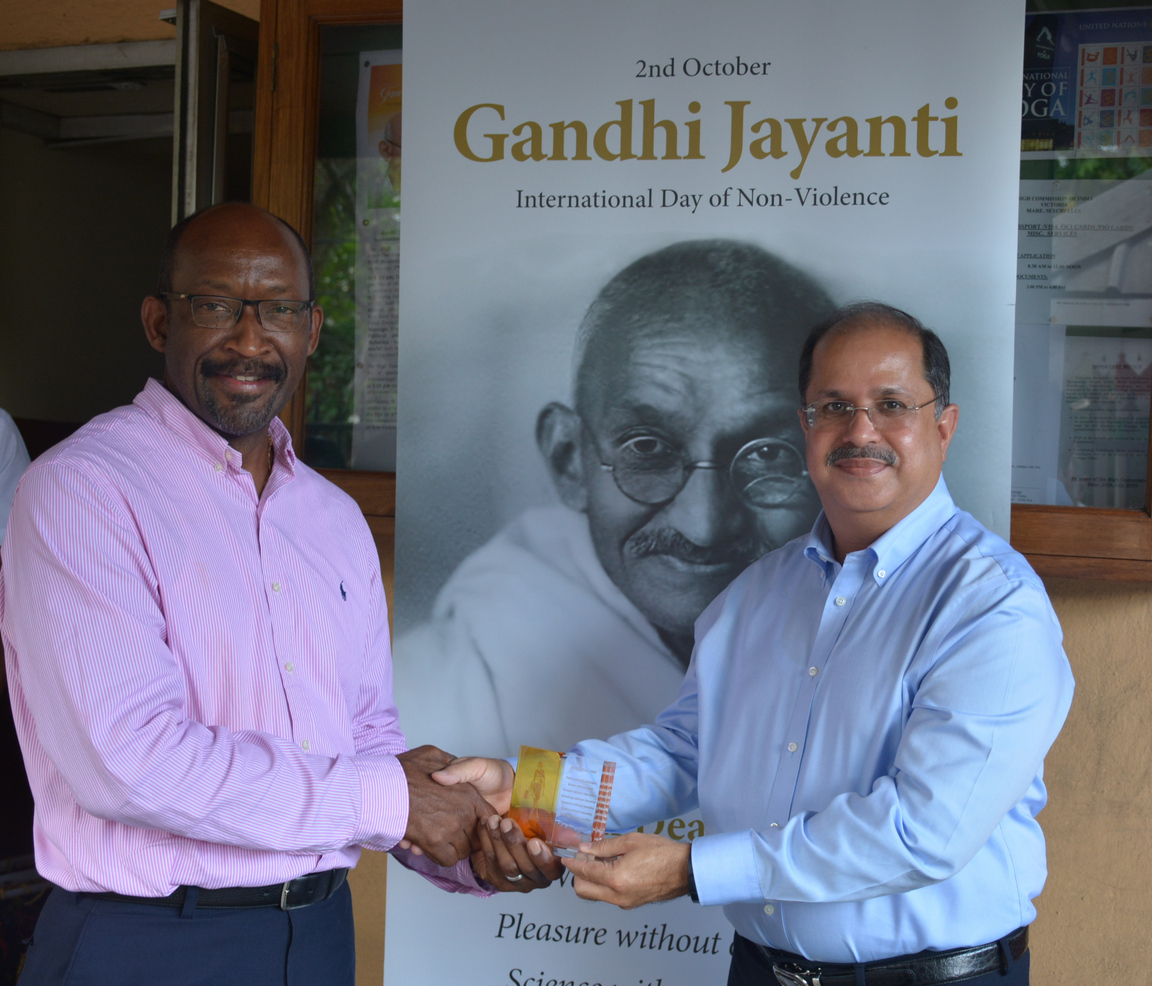
Gandhi Jayanti in Riyadh
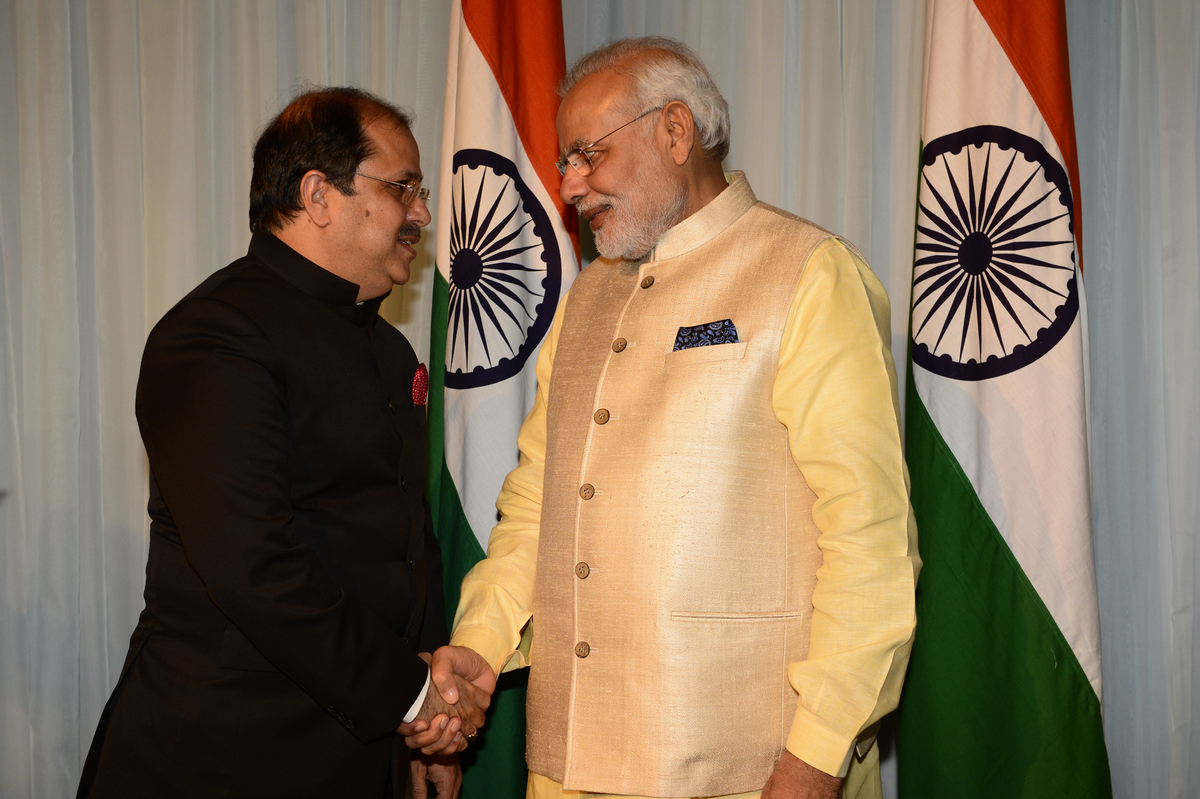
With Prime Minister Narendra Modi
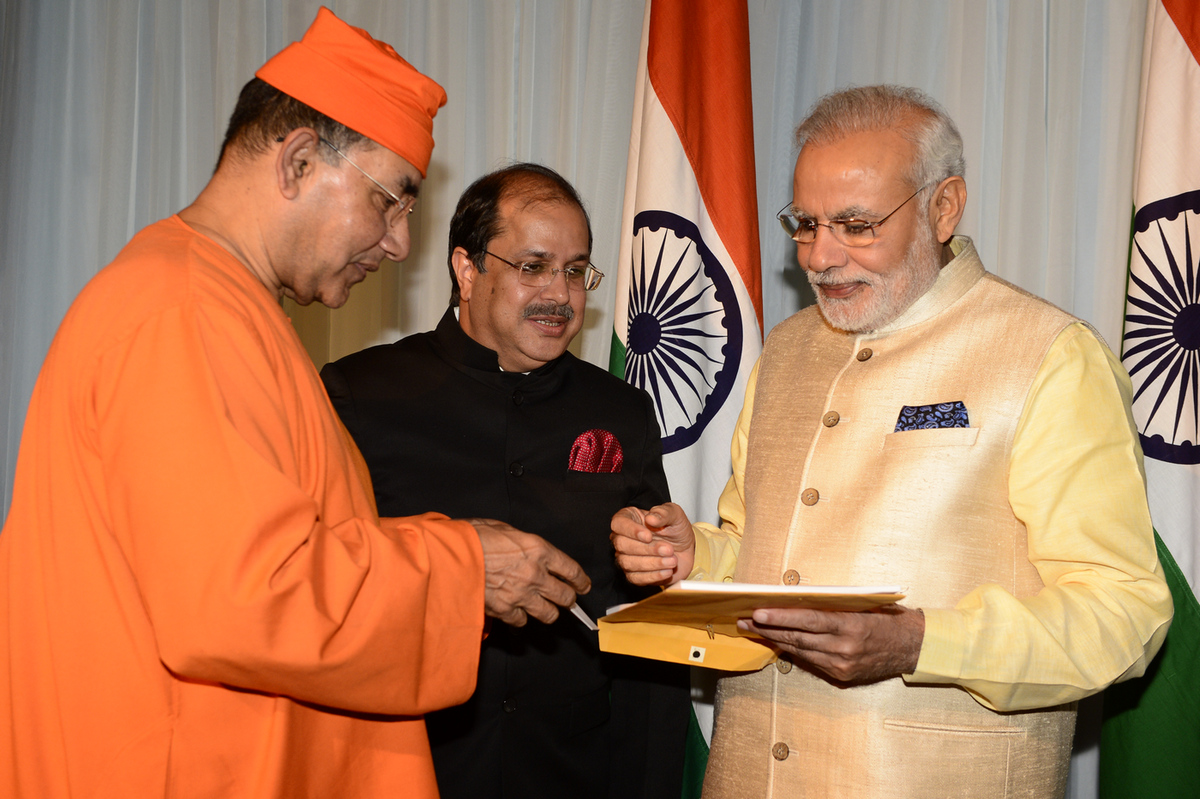
With PM Modi and Swami Ishatmananda
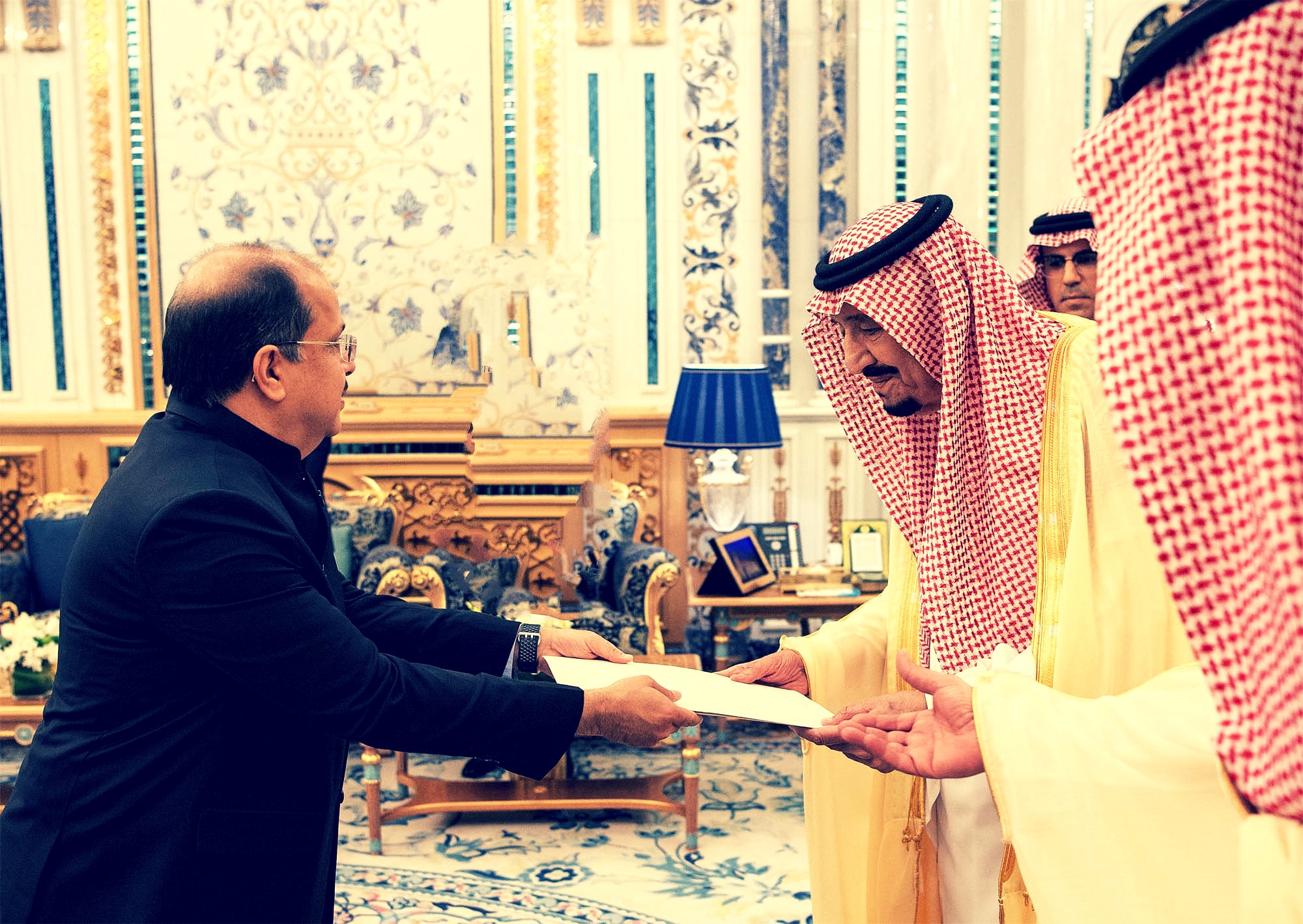
With His Majesty King Salman bin Abdulaziz Al Saud
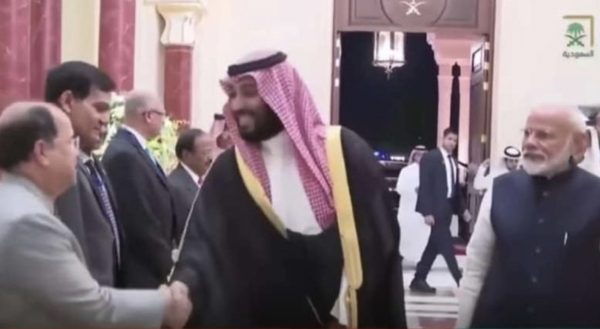
With Crown Prince HRH Mohammad Bin Salman
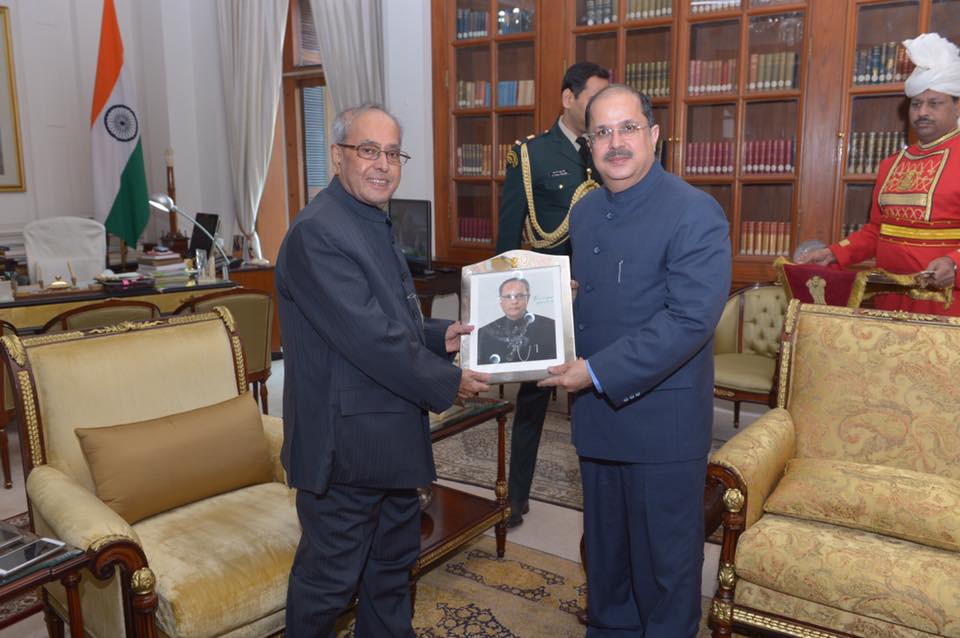
With former President Pranab Mukherjee
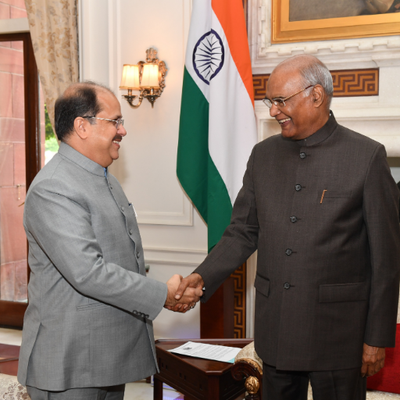
With former President Ram Nath Kovind
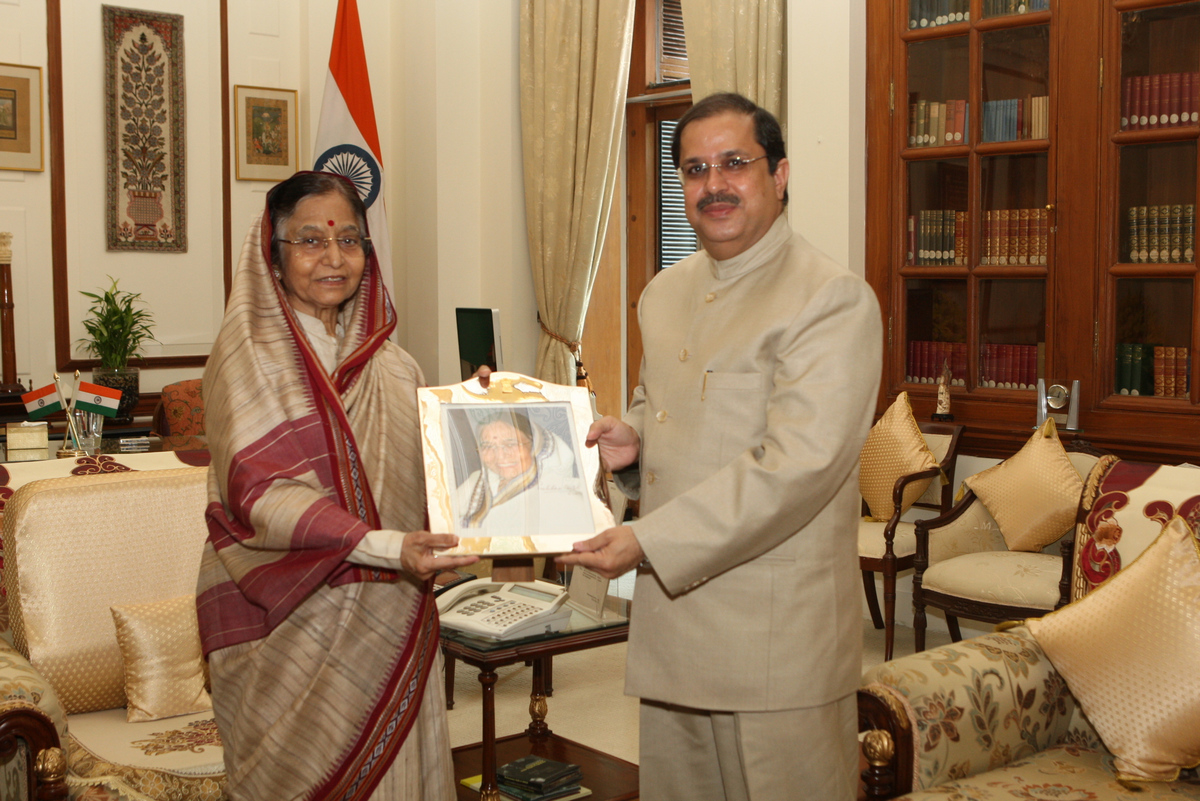
With former President Smt. Pratibha Patil
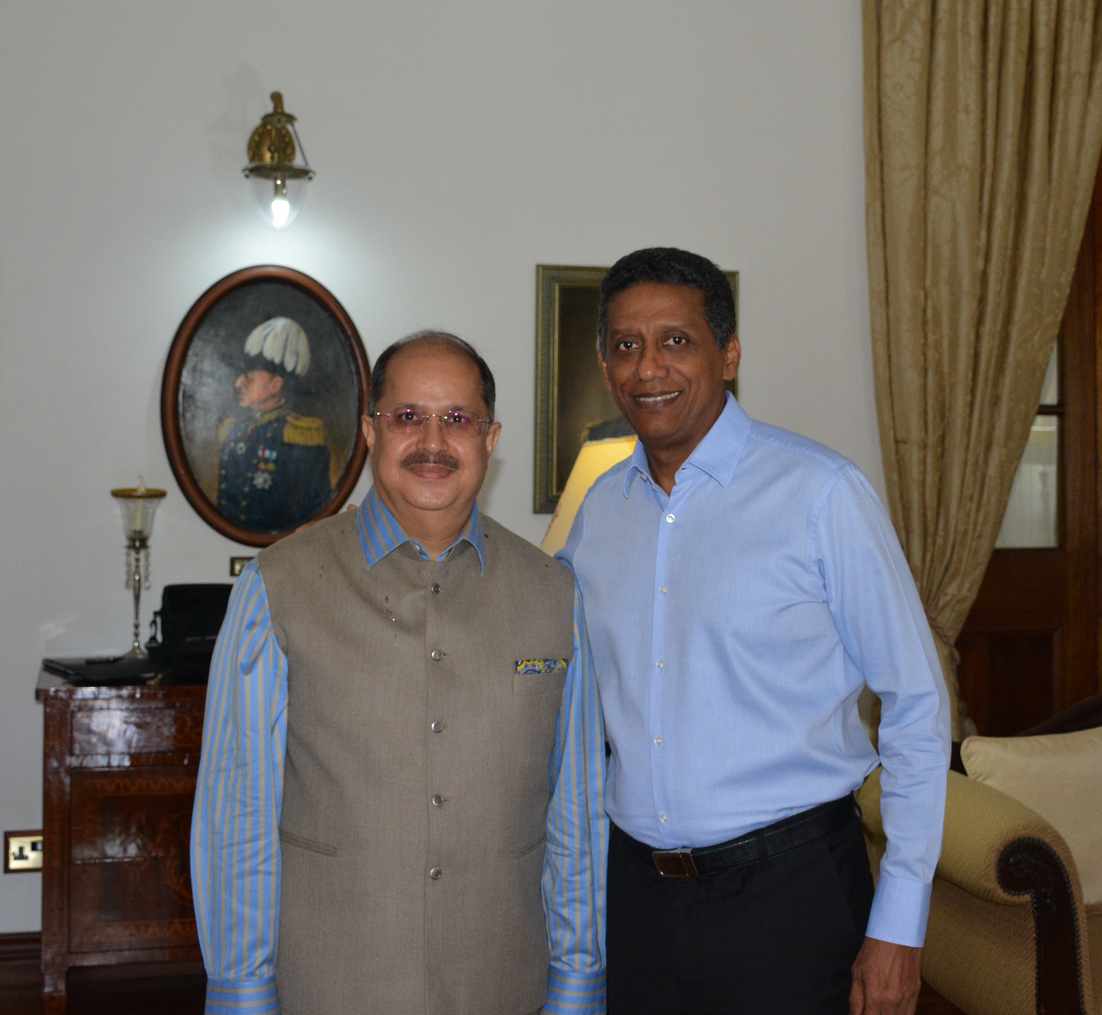
With former President Danny Faure of Seychelles
With Vice-President Vincent Meriton of Seychelles
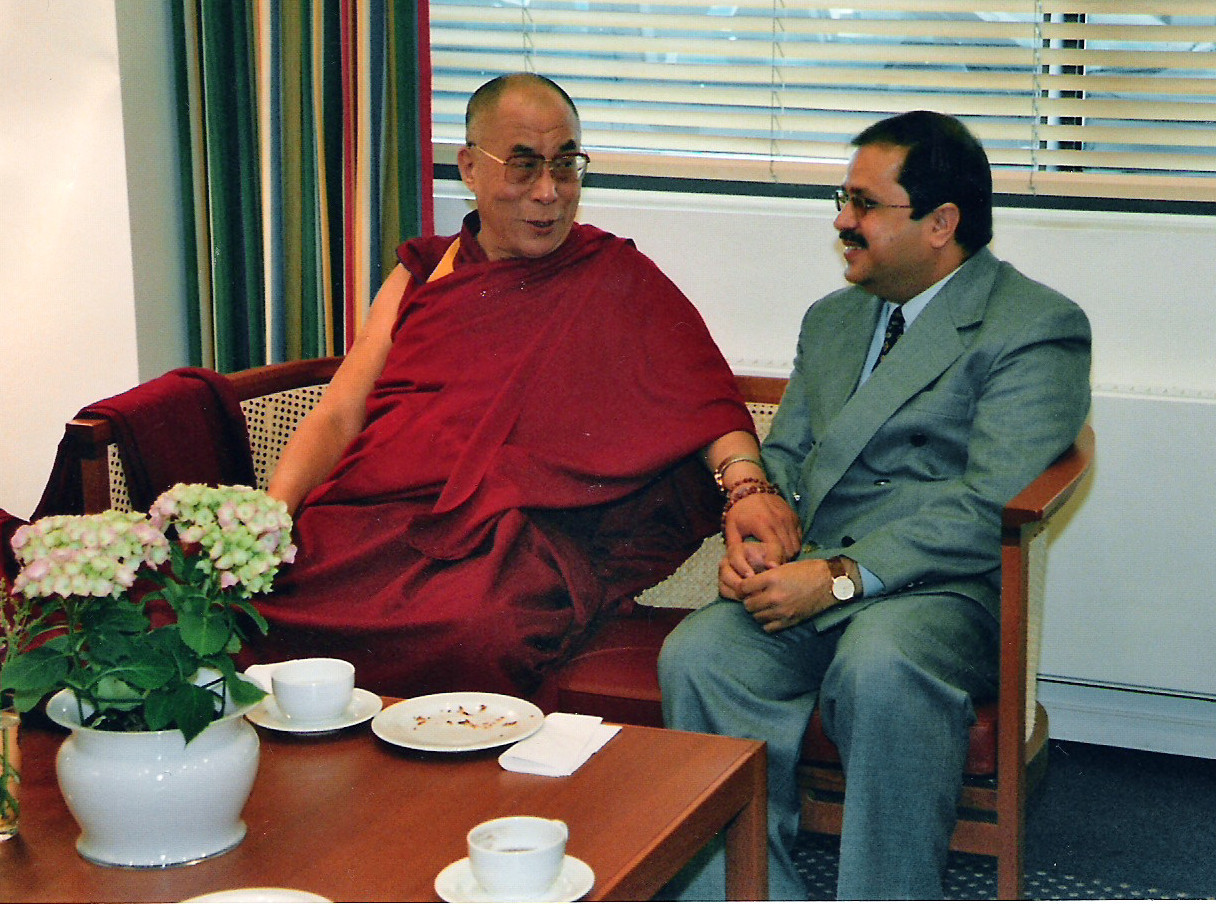
Dalai_Lama
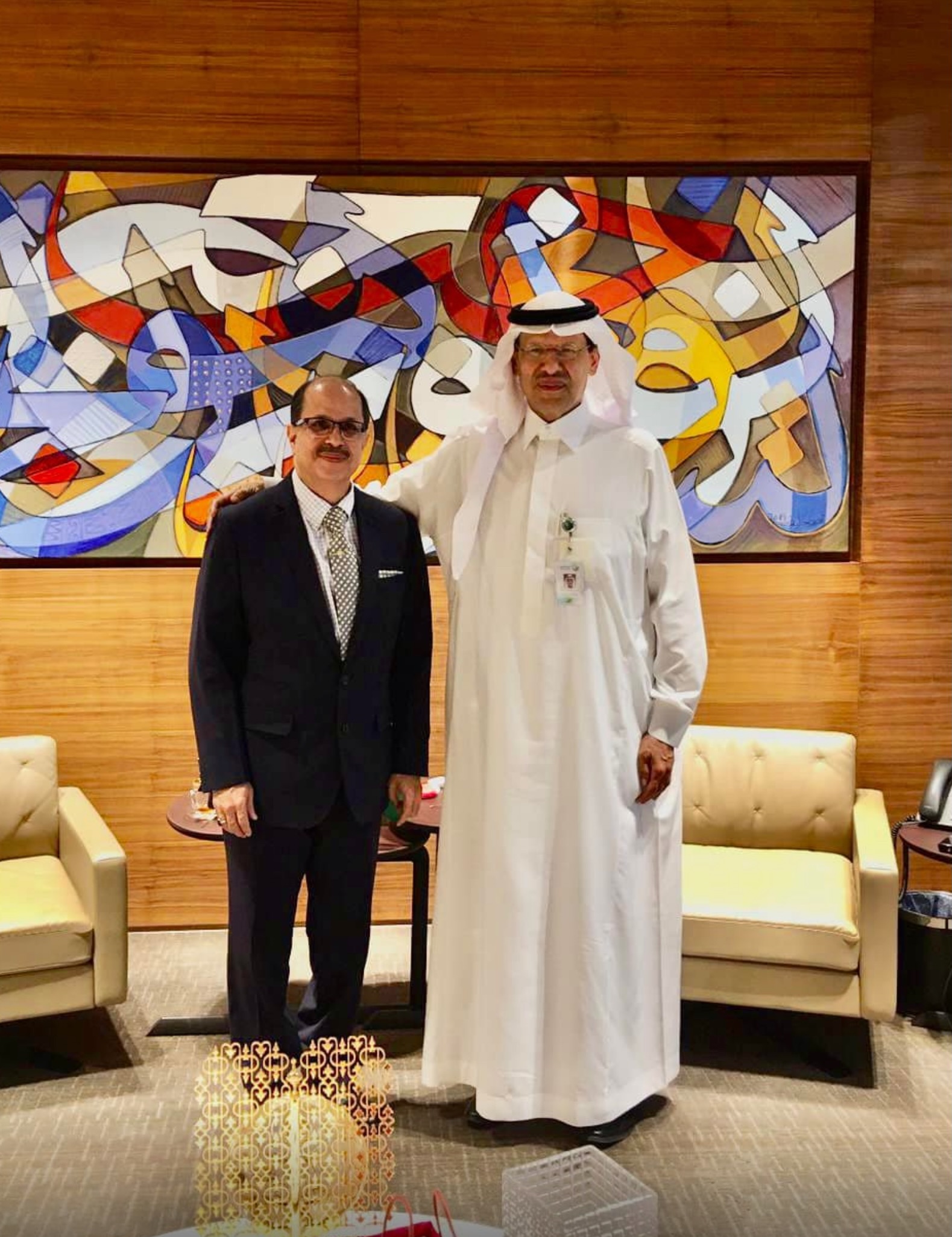
With HRH Prince AdbulAziz Bin Salman
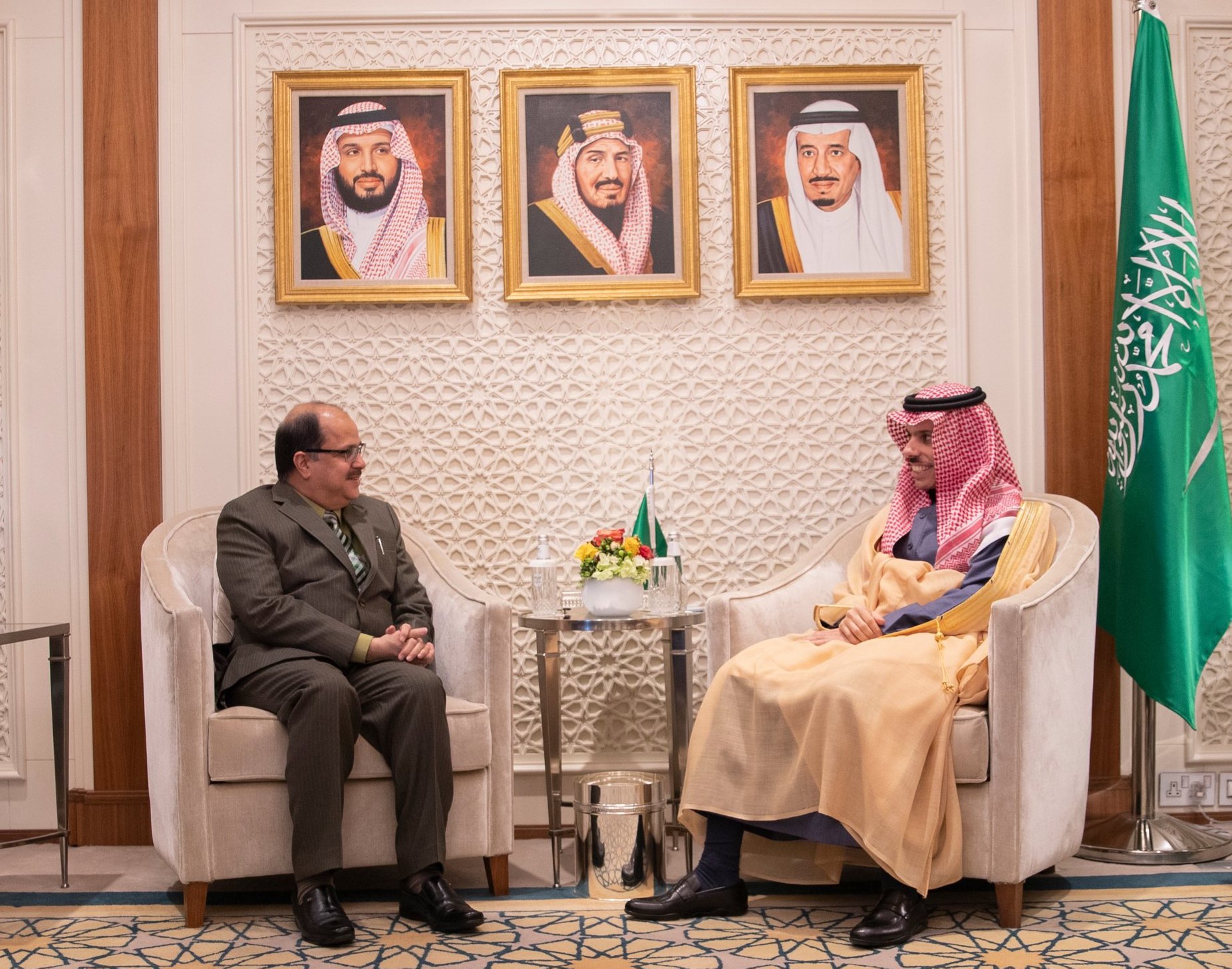
With Saudi Foreign Minister HH Faisal Bin Farhan
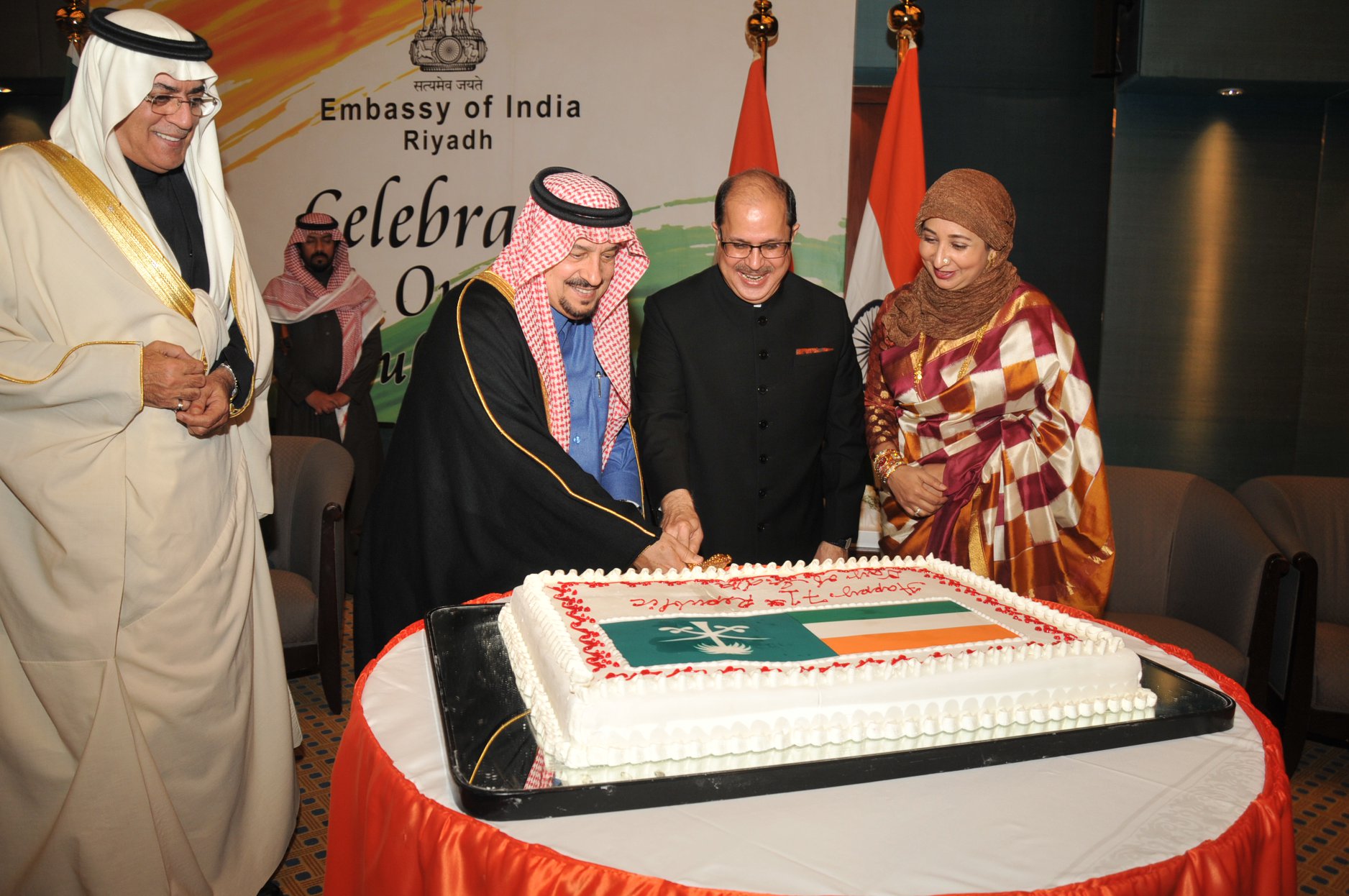
Republic Day Celebrations in Riyadh, 2020
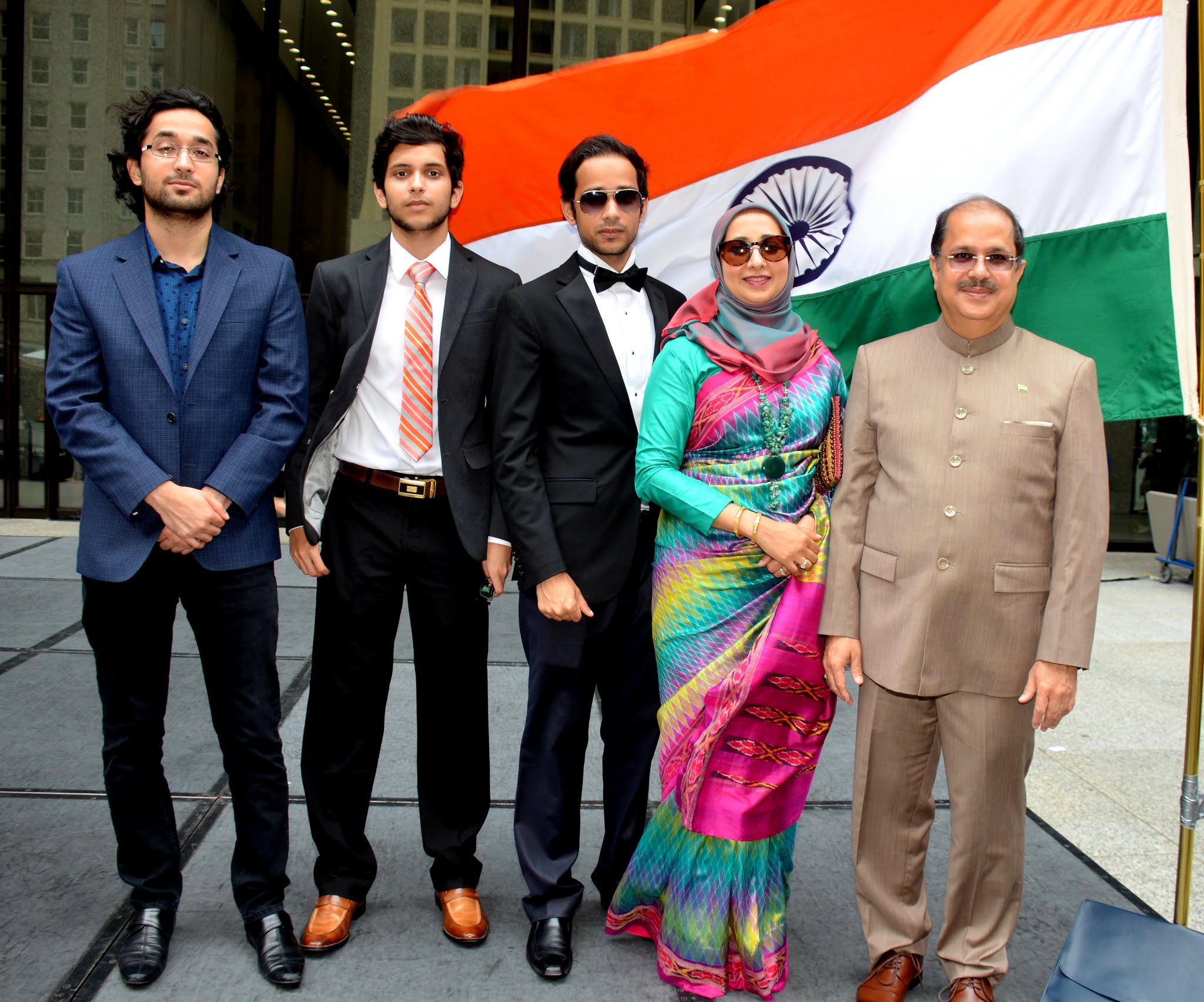
Independence Day Celebrations 2016, Chicago
My Publications
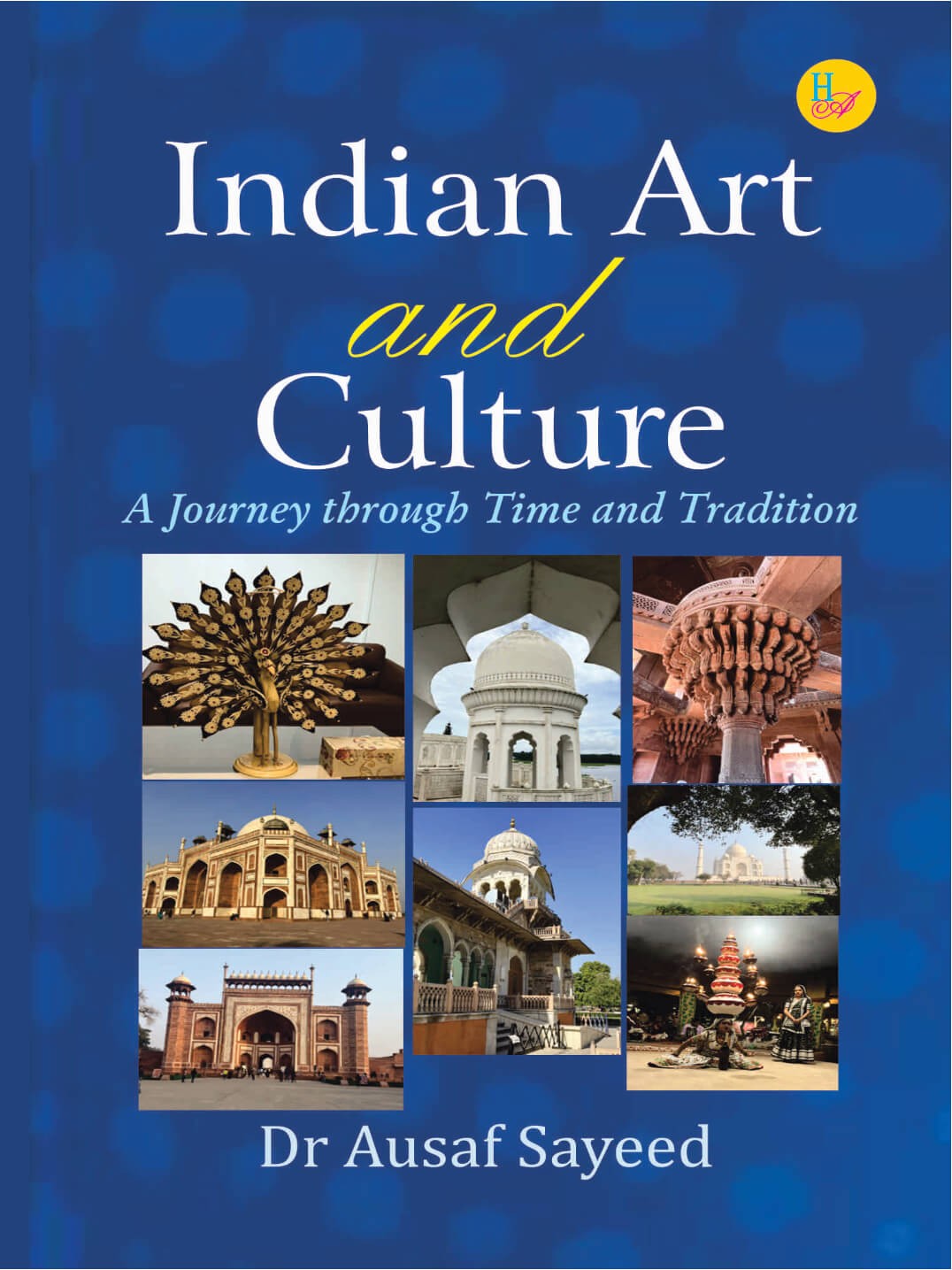
Indian Art & Culture – Time & Tradition
Indian Art & Culture
Trends In Indian Culture And Heritage
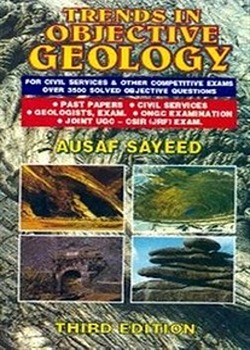
Trends in Objective Geology
Kulliyat-e-Awaz Sayeed
Latest Blogs and Articles
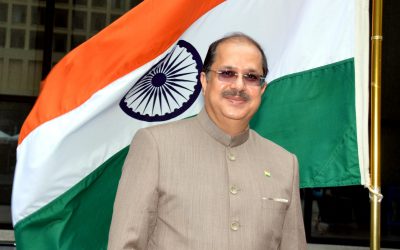
Towards Becoming A Diplomat
After a rather long probation period lasting for about two years, during which I was exposed to various facets of diplomatic and office work in India, I was sent to Egypt in 1991 as a language trainee to learn Arabic and familiarise myself with all aspects of work in diplomatic missions abroad. I studied at the American University in Cairo for three semesters and made progress in Arabic to the best of my ability.
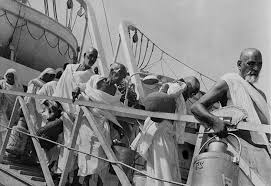
Hajj — An Indian Experience in History
The earliest visit by Indians to Makkah for the Hajj pilgrimage is a matter of conjecture, but such visits likely predate the Muslim conquests of Sindh (664-712 A.D.).
During Mughal times and until the eighteenth century, pilgrims from India had the option of travelling to Makkah either by overland caravans or by sailing ships. The Indian pilgrims travelling by land route via the northwest of India had to pass through long, difficult and hazardous terrains, which also involved crossing the hostile Shia territories controlled by the Safavids.
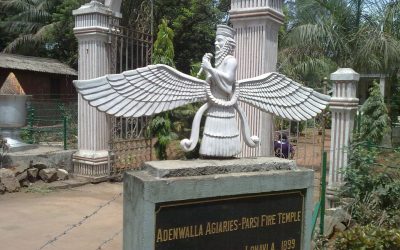
The Story of the Parsis in Aden
After the British conquest of Aden in 1839 A.D., and its declaration as a free port, several Indian traders, including Hindus, Muslims and Parsis, started settling down in this thriving city. According to the 1872 census, there were only 121 Parsis out of the total population of 19,289 in Aden, but by the 1911 census, the number of Parsis living in Aden had increased to 384, of whom 268 were men and 116 were women.
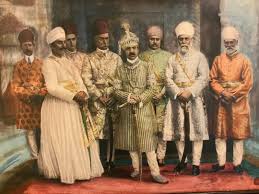
India’s Hadhrami Links
Hadhramaut has a long history as an important centre of Islamic learning. There was a steady interaction between Hadhramaut and western and southern India, particularly in Gujarat, the Konkan Coast, the Malabar Coast, and the Deccan, which is well-documented in history. Important Hadhrami settlements are found in Kutch, Ahmedabad, Baroda, Bharuch, Surat in Gujarat, Calicut and the Malabar Coast in Kerala, Bijapur and Belgaum in Karnataka, Hyderabad in Andhra Pradesh, and Ahmadnagar and Janjira in Maharashtra, as well as a minor settlement in Delhi.
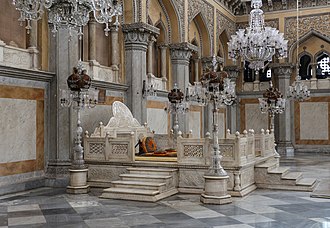
The Nizam of Hyderabad’s Munificence
The Seventh Nizam of Hyderabad, Mir Osman Ali Khan, was acknowledged as the world’s richest man, whose estimated fortune was more than US$2 billion. In addition, he was said to have US$5 billion worth of gold in bricks and coins in his Treasury and an unspecified number of gems. The Wall Street Journal had reported in March 1931 that two Englishmen spent more than two years just to classify his family jewellery . The Nizam was one of the five rulers among the 565 Princely States in British India who was given the rank of 21-gun salute, along with the Maharajas of Gwalior, Kashmir, and Mysore and the Gaekwad of Baroda.
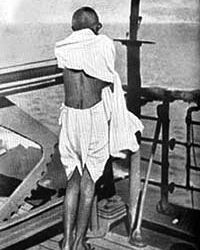
Mahatma Gandhi’s Historic Sojourn in Aden
India has a long association with Aden going back to the historic times. Aden was a flourishing port, trading centre and an important gateway for India at that time. It attracted a large number of Indians, mainly from Gujarat and Maharashtra, who were engaged in...
In The News
Contact Me

Sharing link to the EGROW Webinar on 'BRICS and Global South':
Sharing my interview on The Gist @StratNewsGlobal on the developing situation along the Red Sea following the Houthi takeover of the Bab Al-Mandab and its implications for India: https://youtu.be/vV8aV6UA48A?si=Df-FEgd99u88Ibak
My interview with @RT_India_news on the dangerous situation developing along the Red Sea following the Houti advancement to the Bab Al-Mandab: https://yadi.sk/i/wGWUrnWCfuIDQw

'The Most Significant Development Since The Start Of The US-Iran Conflict' - Former Ambassador Of India To Saudi Arabia @drausaf, After Alleged Attempted Attack On Mecca