

Former Indian Ambassador, Author, Toastmaster, Strategic Advisor and West Asia Analyst
Dr. Ausaf Sayeed
Ambassador Dr Ausaf Sayeed (b. September 18, 1963) is a seasoned Indian diplomat (IFS 1989 Batch) and strategic thinker who has served as Secretary (CPV and OIA) in the Ministry of External Affairs, as Ambassador of India to Saudi Arabia and Yemen, and as High Commissioner to Seychelles.
He also served as a diplomat in Egypt, Saudi Arabia, Qatar, Denmark, Yemen and Chicago. In India, he served as Joint Secretary (West Africa) in Delhi and as Regional Passport Officer in Hyderabad.
As Secretary (CPV & OIA), he was responsible for all matters relating to Consular, Passport, Visas, Overseas Emigration, and NRI & Overseas Indian Affairs, as well as affairs of GCC and WANA countries.
During his nearly 34 years of diplomatic service, Dr Sayeed has represented India’s interests in the political, economic, consular, and cultural realms and has fostered friendly relationships with nations around the world.





My Journey
Dr Ausaf Sayeed has handled various areas of work over his nearly 34 years of diplomatic service, including political, economic, consular, and cultural work, as well as Hajj management.
Dr Ausaf Sayeed holds a Master of Science and a PhD in Geology from Osmania University in Hyderabad, India, and an Advanced Diploma in Arabic from the American University in Cairo. He is a Competent Toastmaster (CTM) and recipient of Shri Y.G.K.Murthy Gold Medal from Osmania University, Hyderabad. The prestigious Yoga Mithra Award was also conferred on him by the S-Vyasa University for his efforts to promote Yoga in Saudi Arabia.
Delhi, India
Secretary (CPV & OIA)
Ministry of External Affairs
2022 – 2023
Riyadh, Saudi Arabia
Ambassador of India
2019 – 2022
Mahe, Seychelles
High Commissioner of India
2017 – 2019
Chicago, USA
Consul General of India
2013 – 2017
Sanaa, Yemen
Ambassador of India
2010 – 2013
Years in Service
Countries Worked in
Countries Visited
Photo Gallery
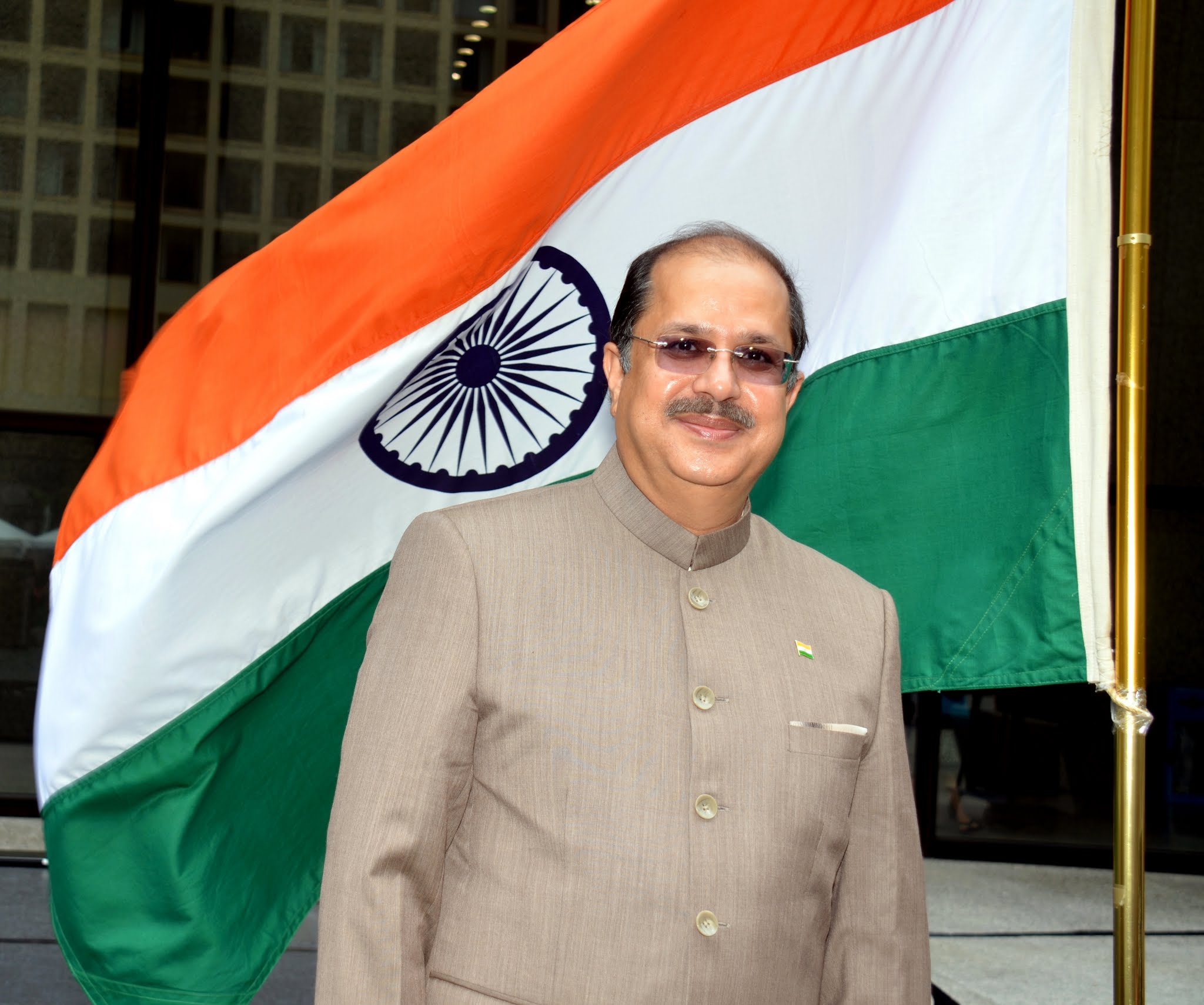
Dr. Ausaf Sayeed
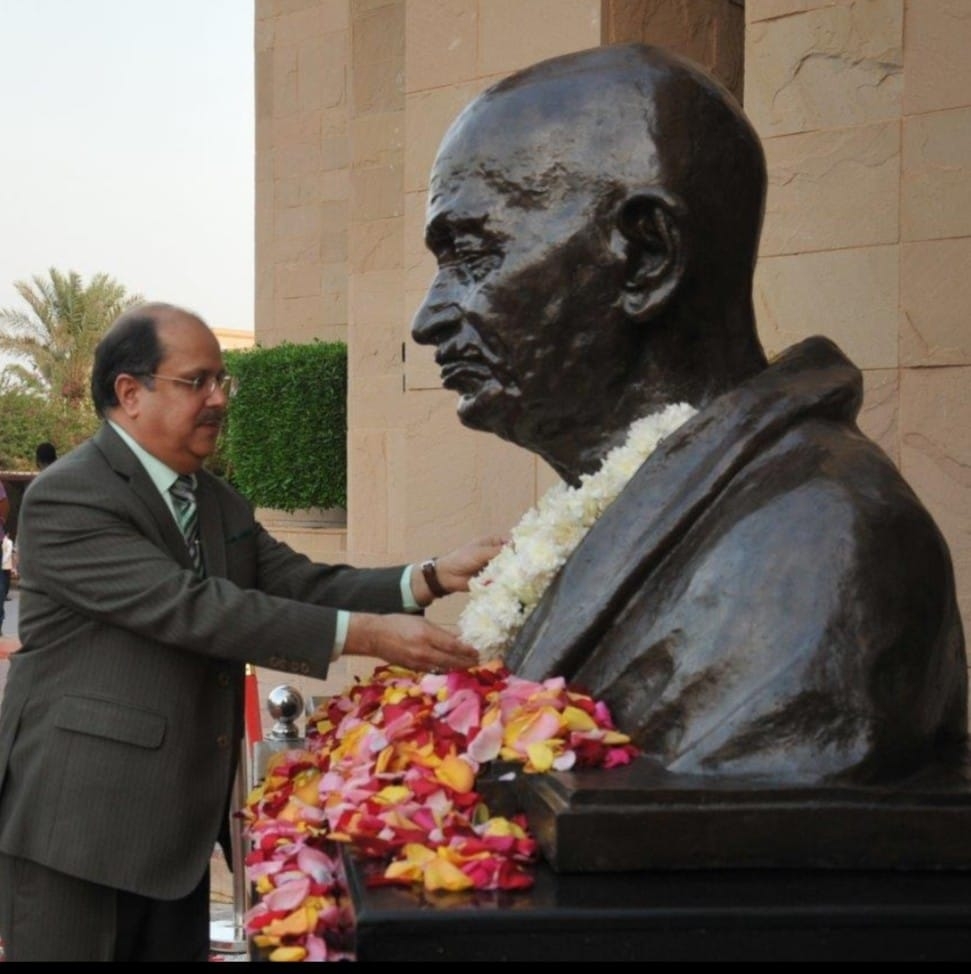
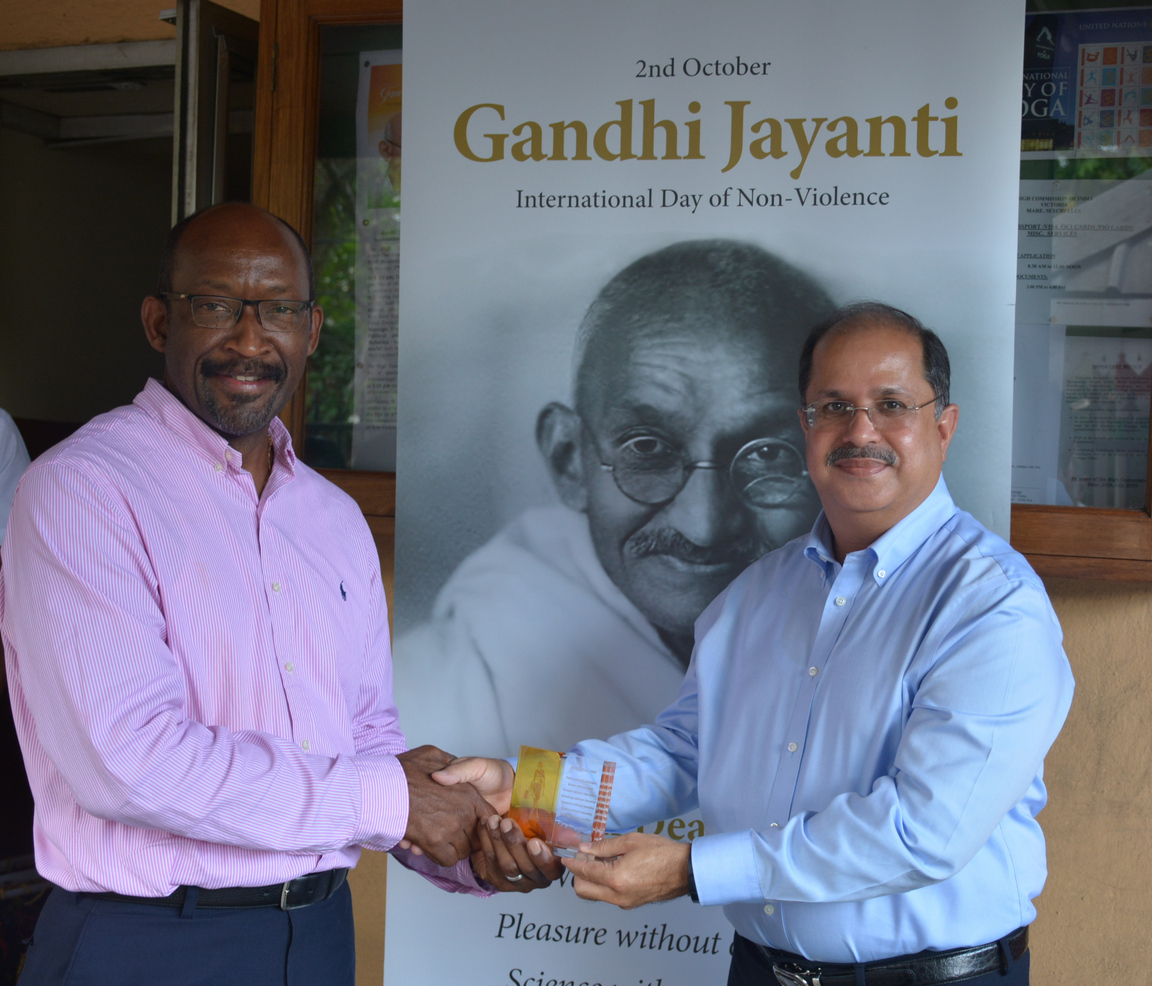
Gandhi Jayanti in Riyadh
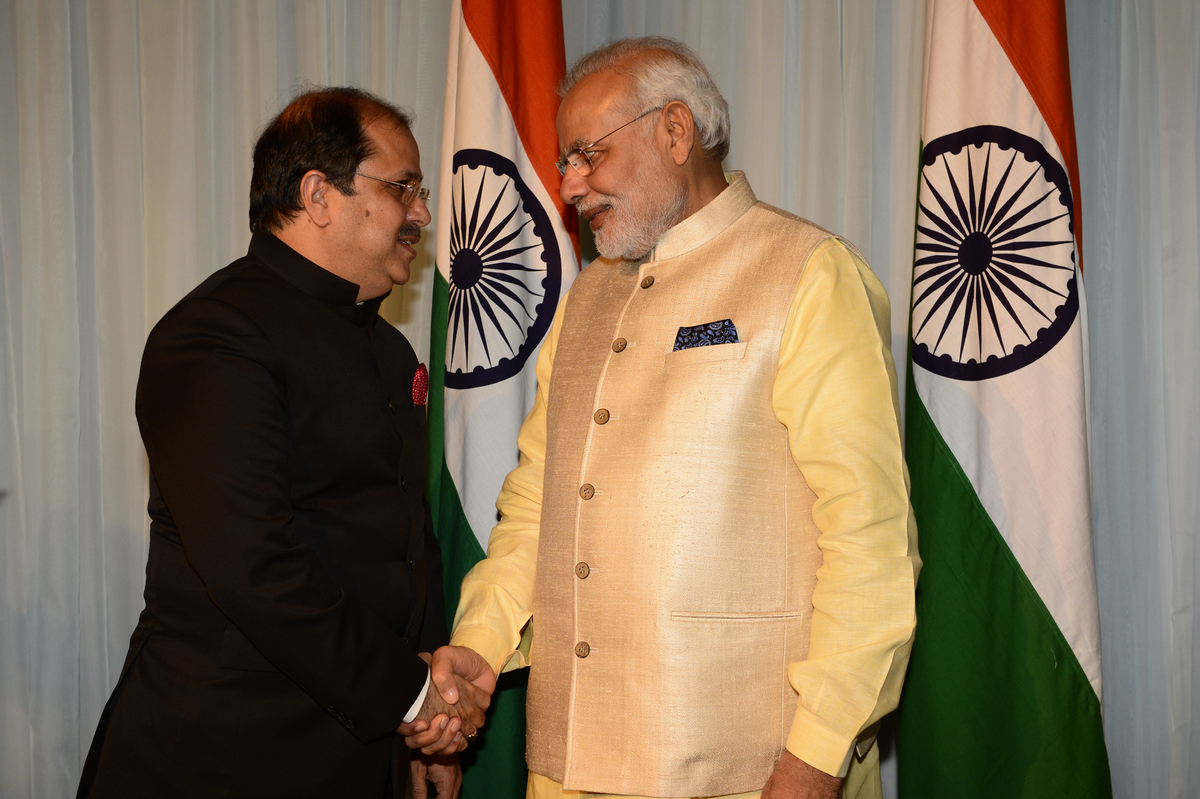
With Prime Minister Narendra Modi
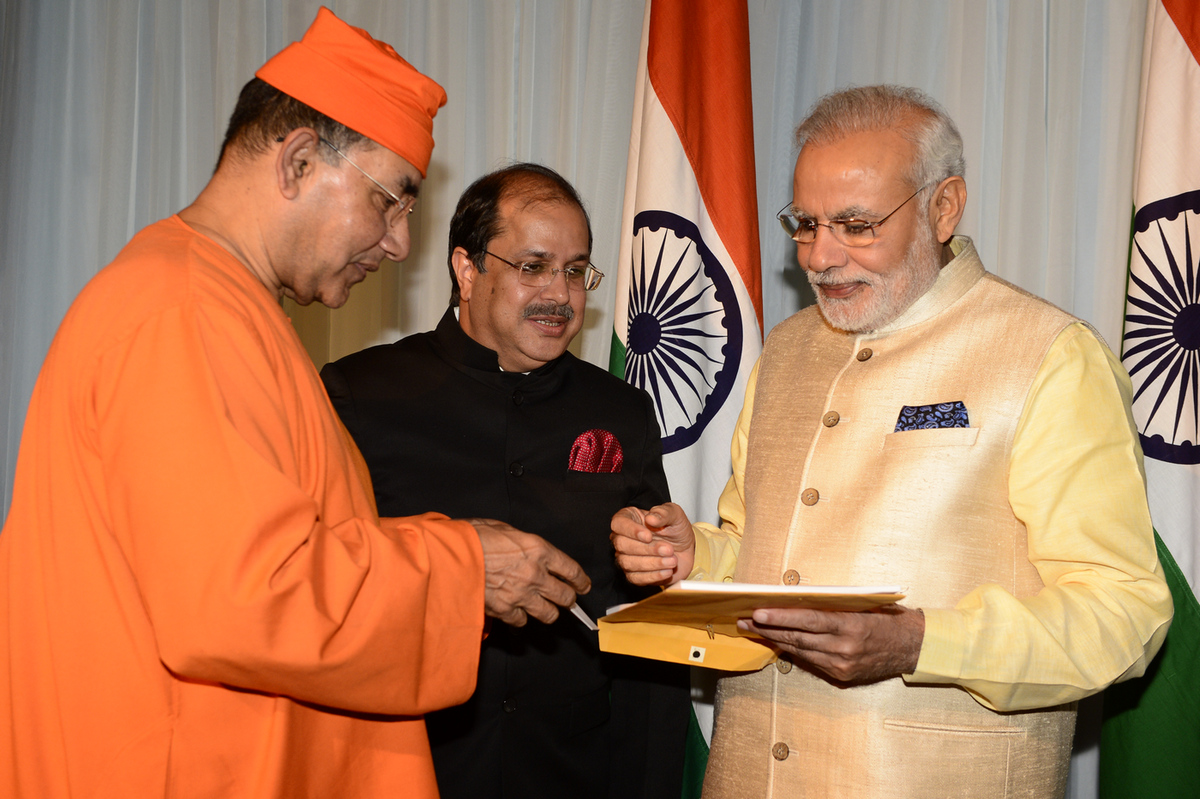
With PM Modi and Swami Ishatmananda
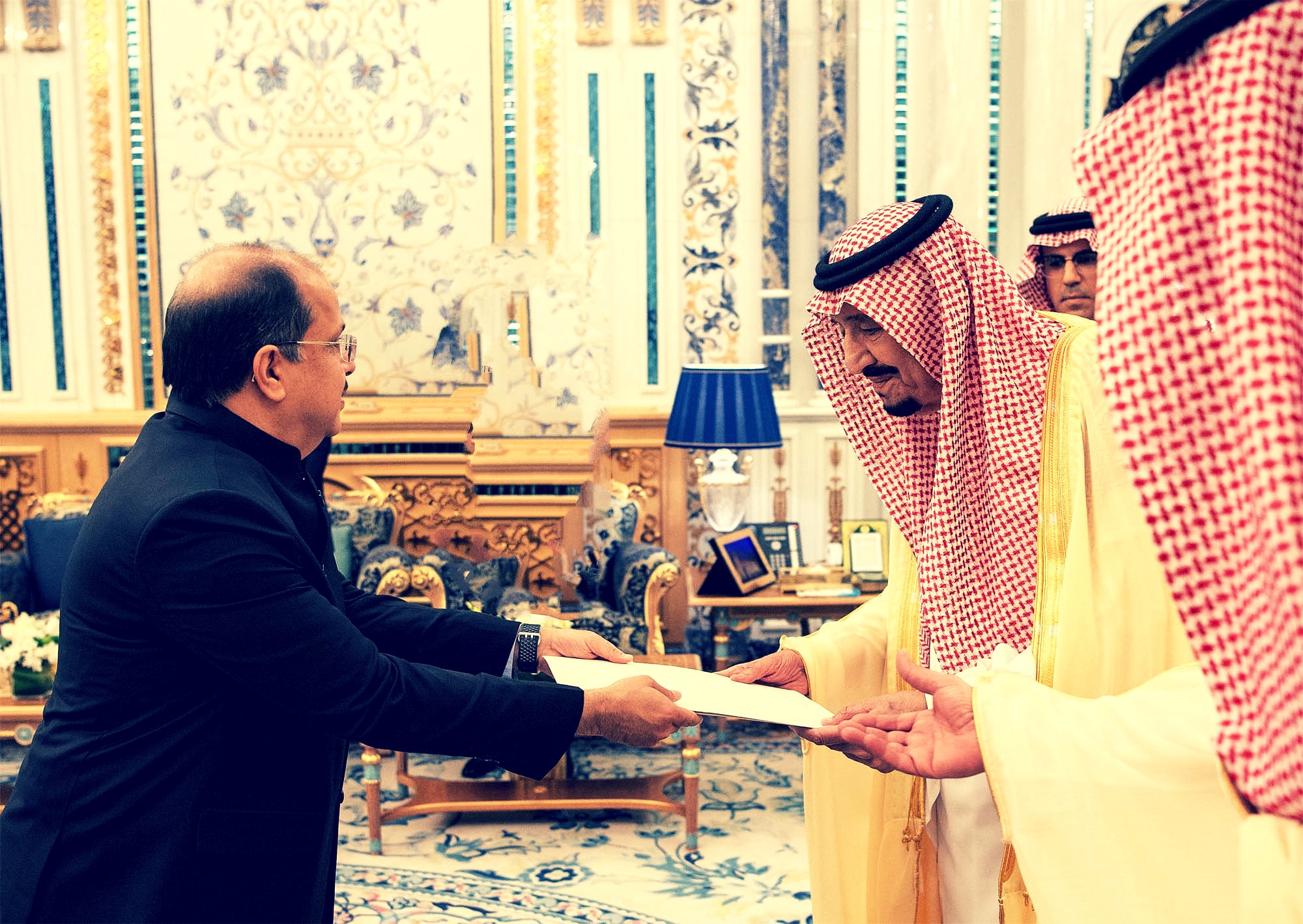
With His Majesty King Salman bin Abdulaziz Al Saud
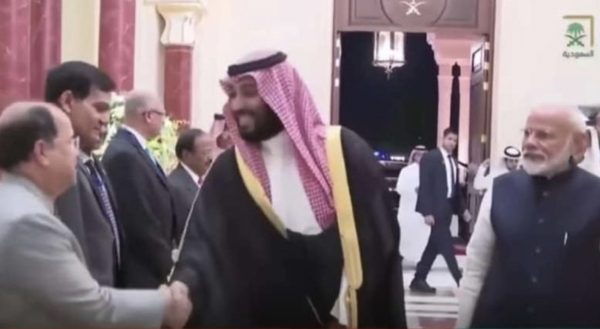
With Crown Prince HRH Mohammad Bin Salman
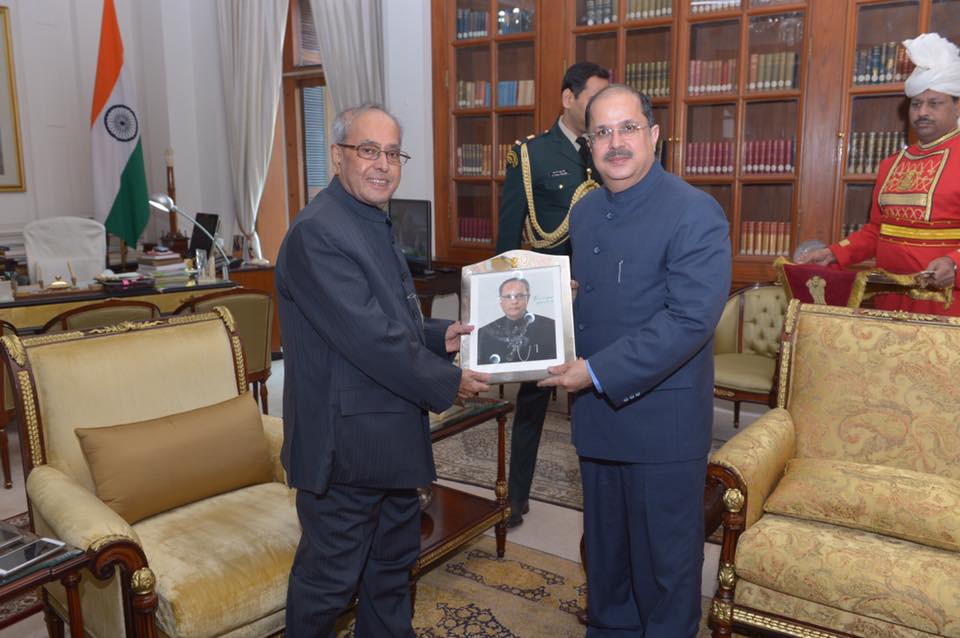
With former President Pranab Mukherjee
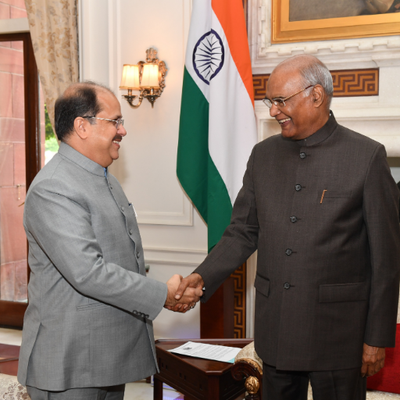
With former President Ram Nath Kovind
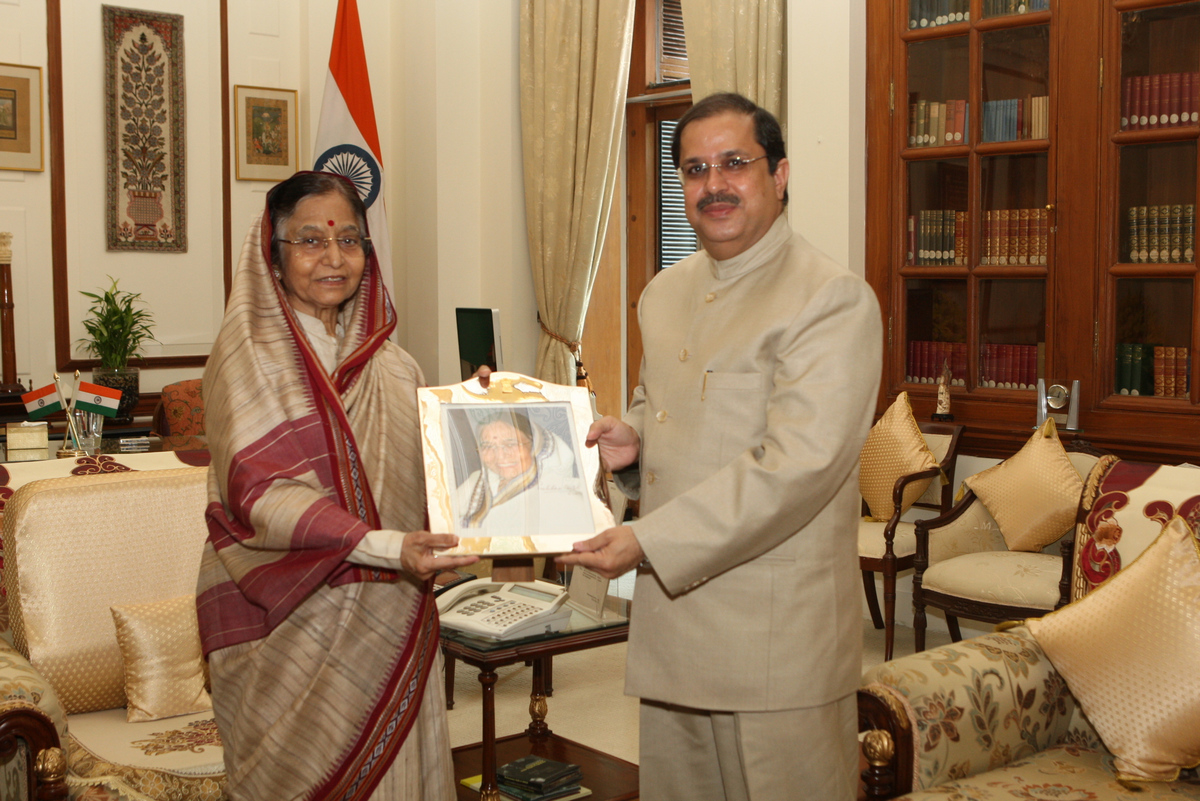
With former President Smt. Pratibha Patil
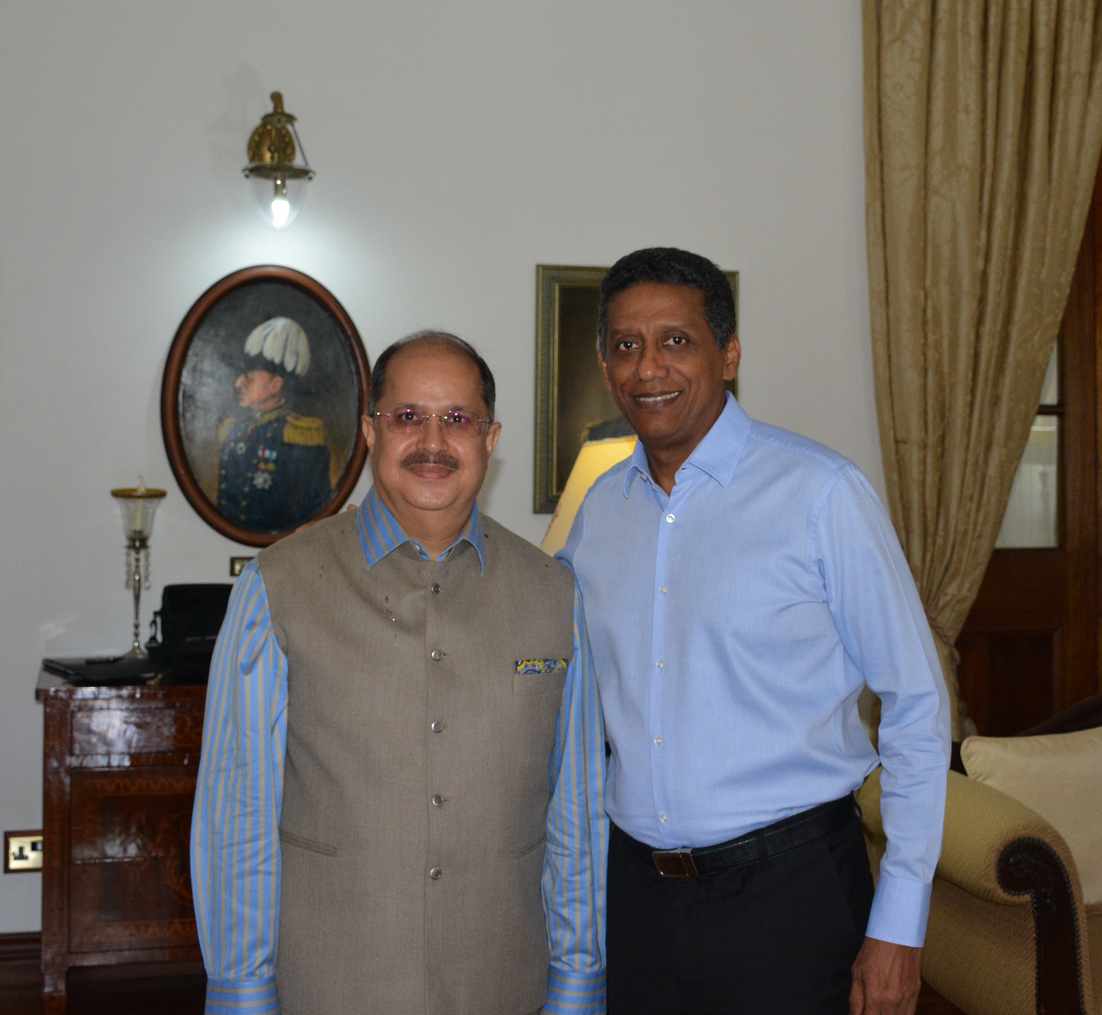
With former President Danny Faure of Seychelles
With Vice-President Vincent Meriton of Seychelles
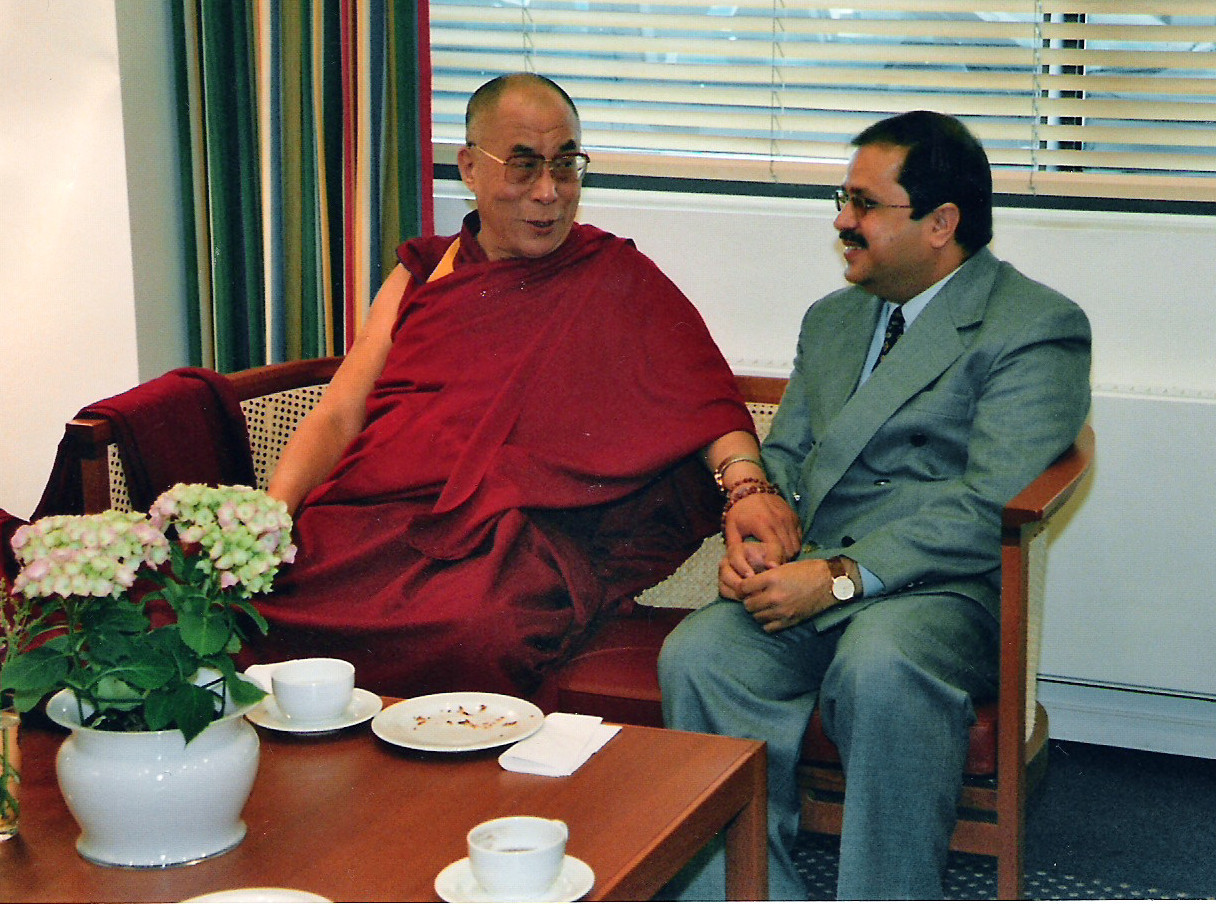
Dalai_Lama
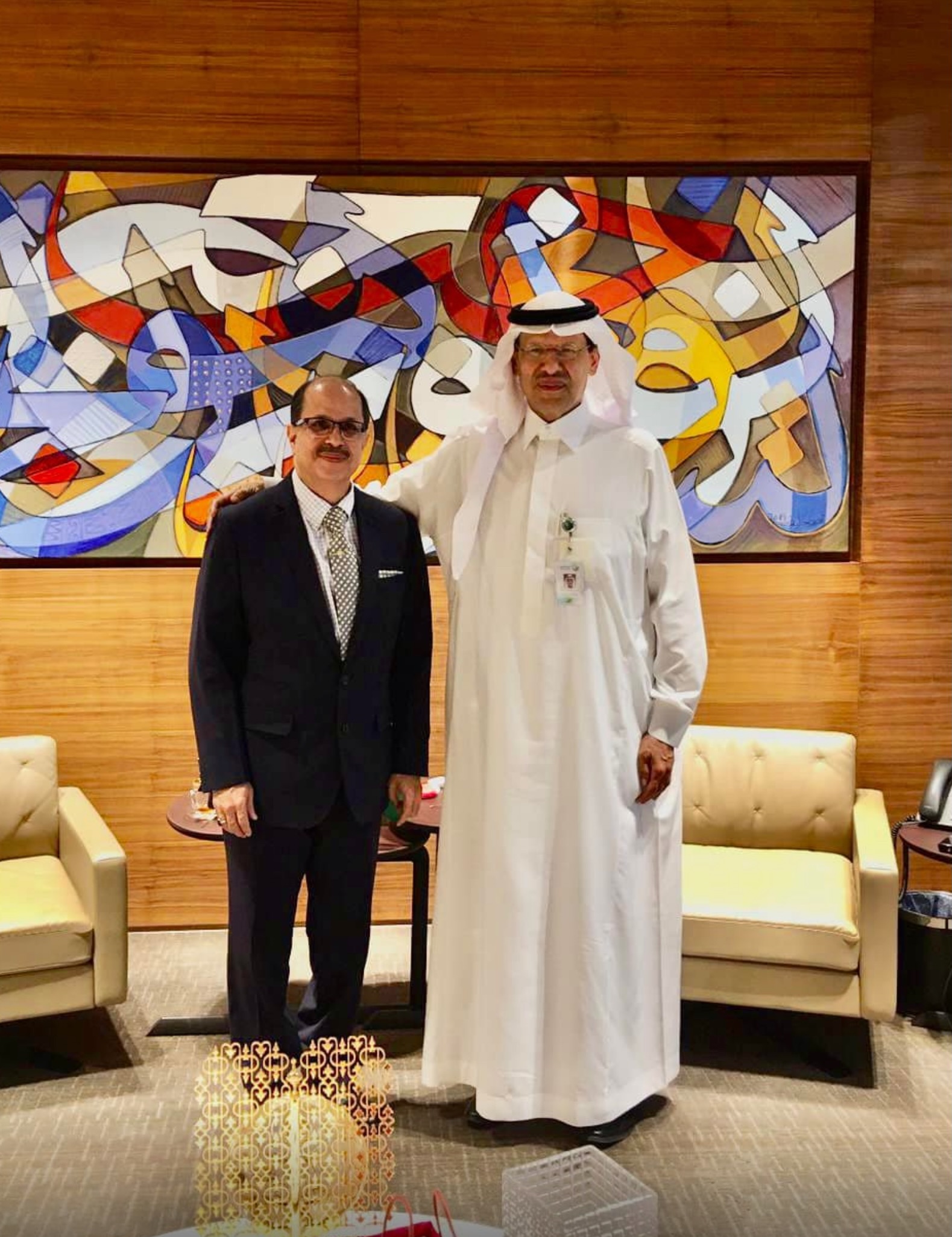
With HRH Prince AdbulAziz Bin Salman
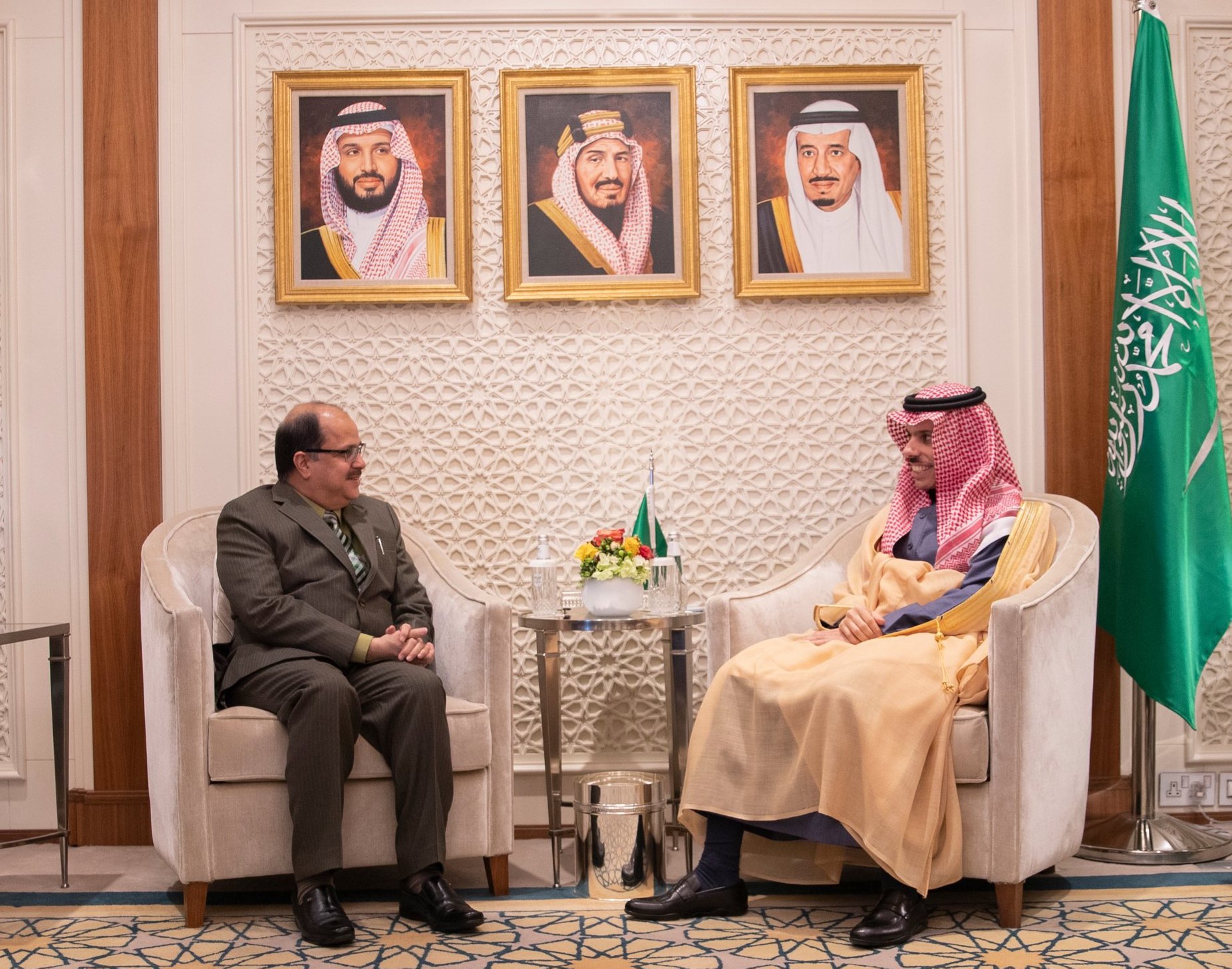
With Saudi Foreign Minister HH Faisal Bin Farhan
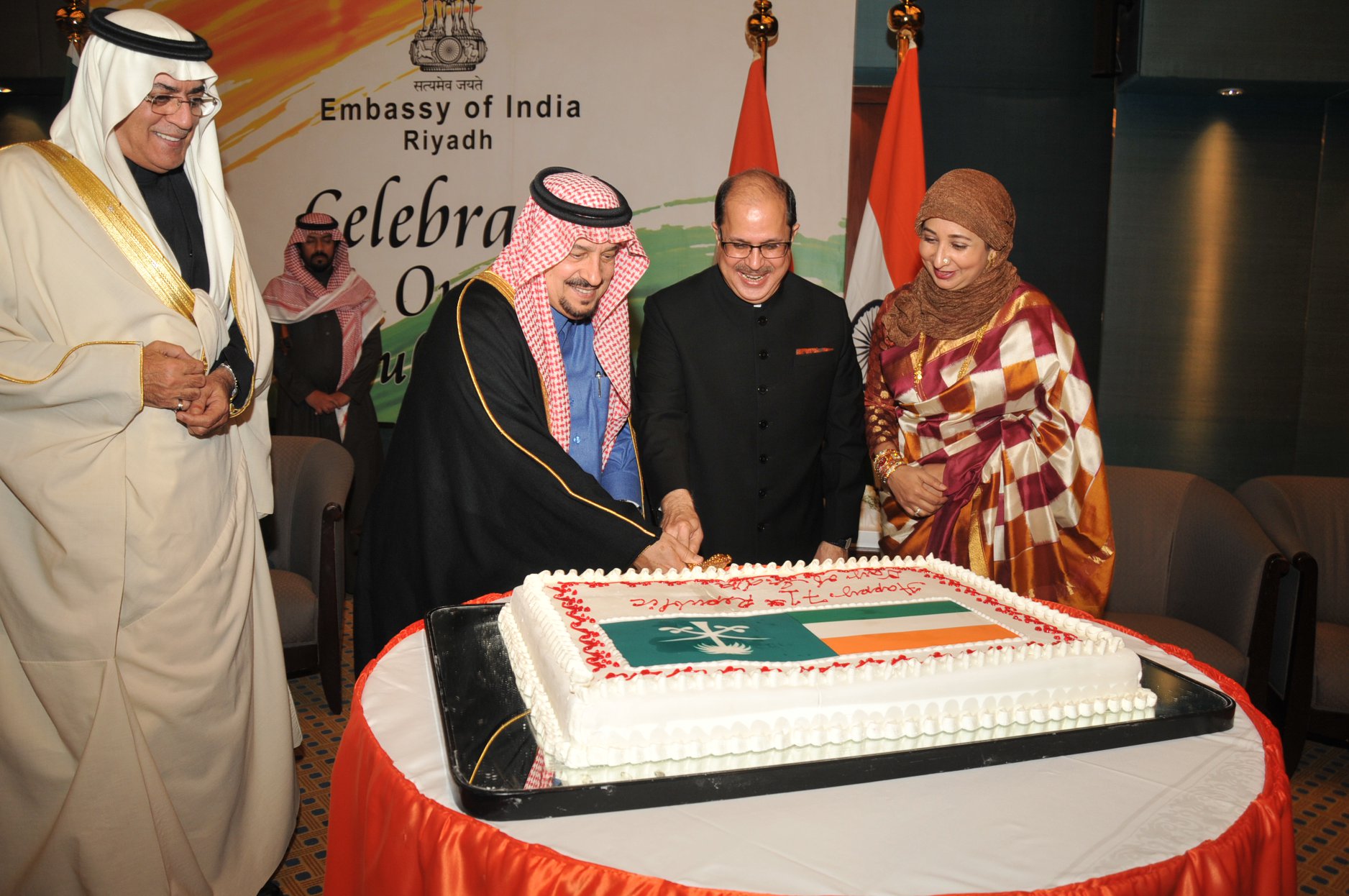
Republic Day Celebrations in Riyadh, 2020
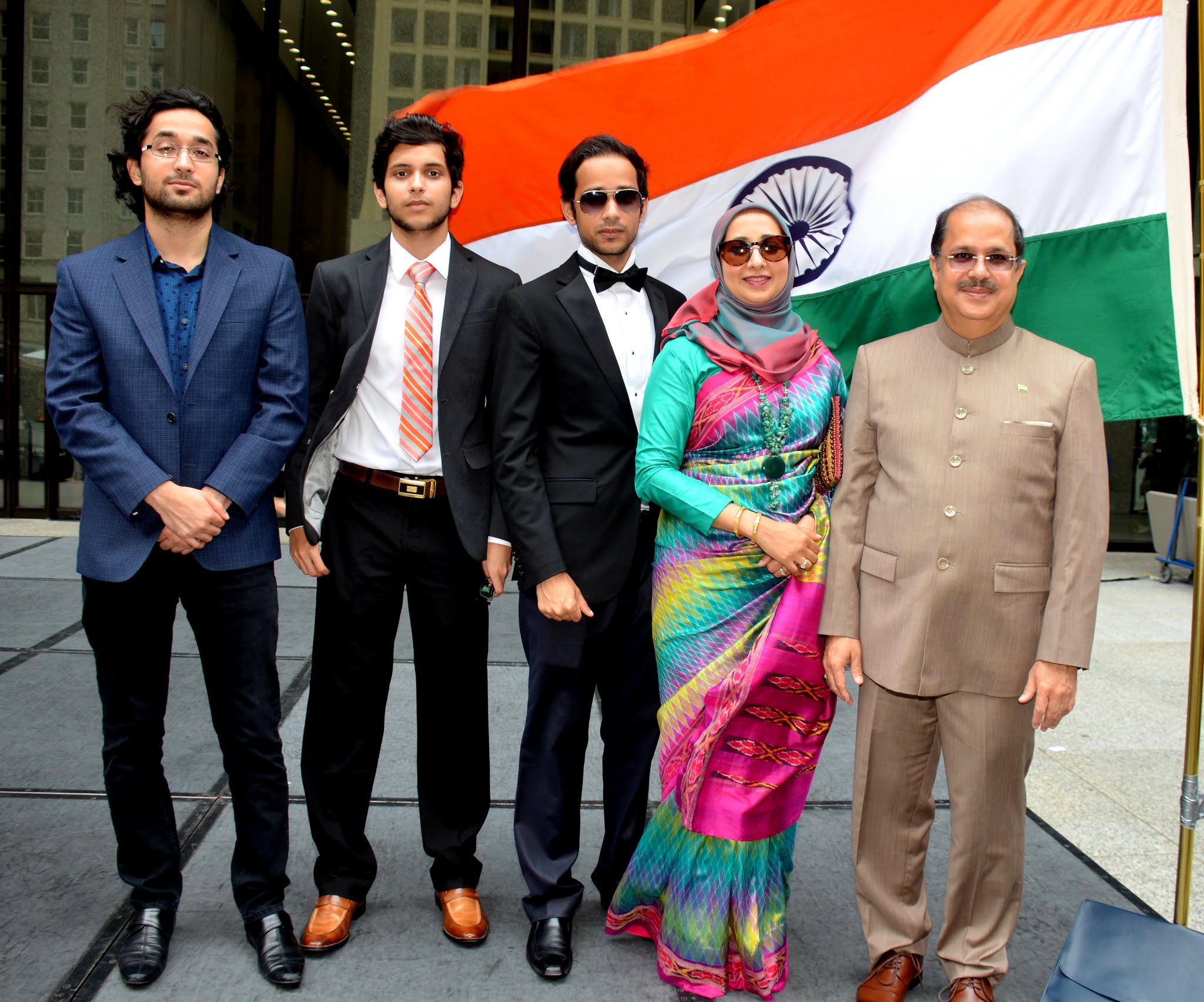
Independence Day Celebrations 2016, Chicago
My Publications
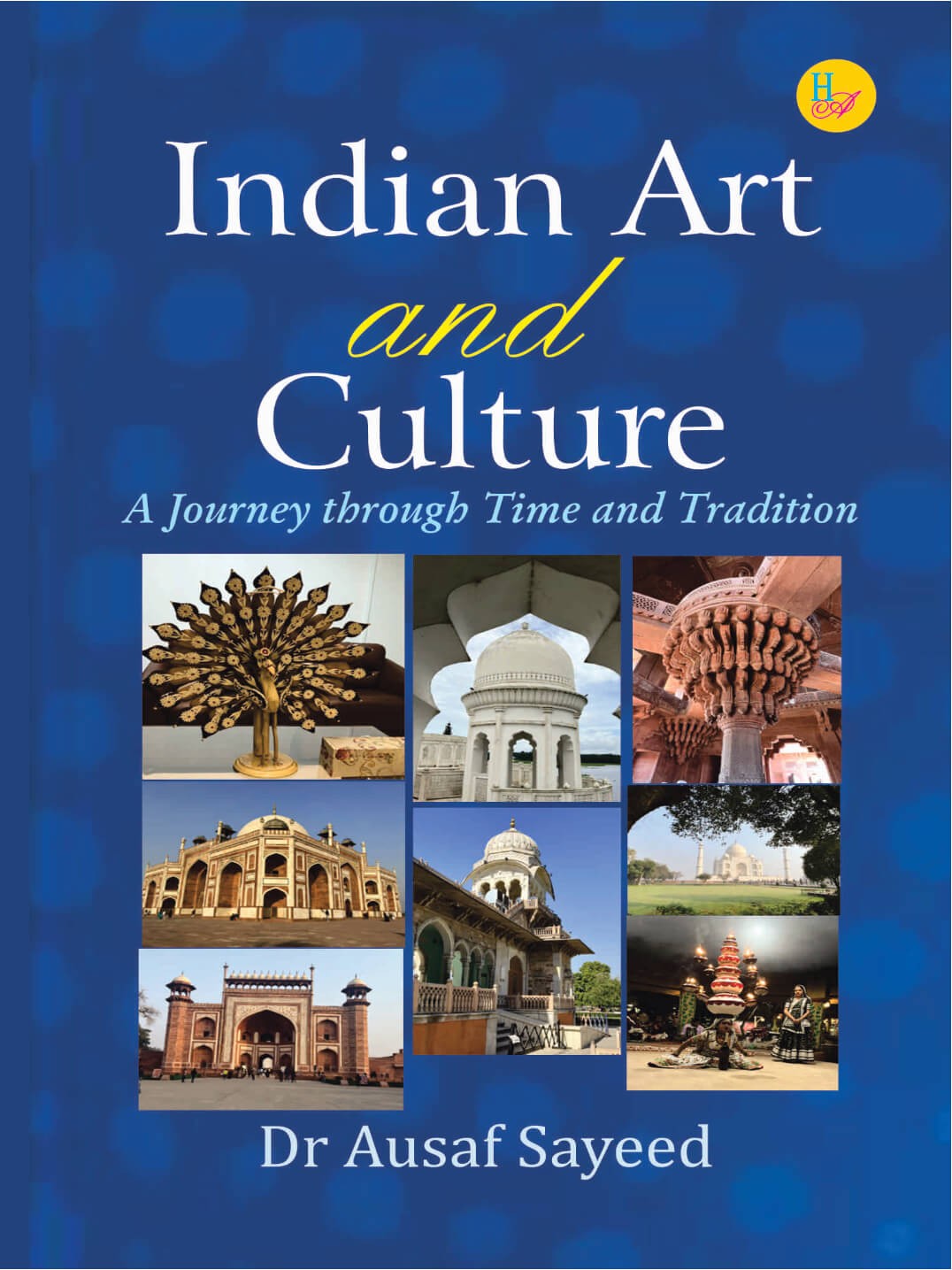
Indian Art & Culture – Time & Tradition
Indian Art & Culture
Trends In Indian Culture And Heritage
Trends in Objective Geology
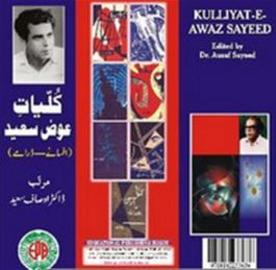
Kulliyat-e-Awaz Sayeed
Latest Blogs and Articles

The World Wants the Gaza War to End Now
The unprecedented global consensus, demanding an immediate end to the protracted Gaza War, stems from a convergence of powerful factors. Driven by moral outrage over a severe humanitarian catastrophe, this global will is manifesting through Israel’s deepening diplomatic isolation, marked by near-unanimous UN votes and a wave of statehood recognitions for a Palestinian State by key Western nations. The protracted Israel-Palestine conflict has fractured the traditional US-led security architecture in the Middle East, rendering old frameworks like the Abraham Accords defunct and spurring new, albeit contentious, peace initiatives. The convergence of these diplomatic, public, and strategic forces represents a fundamental shift from mere conflict management to an urgent, collective demand for the end of the Gaza War and a sustainable resolution based on a two-state solution.
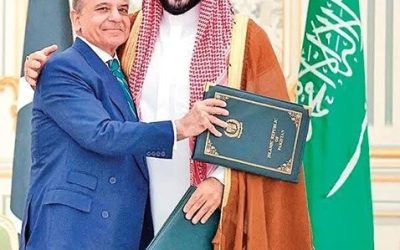
Defence and offence on the West Asia chessboard
The Strategic Mutual Defence Agreement signed between Saudi Arabia and Pakistan on September 17, 2025, marks a major turning point in West Asian geopolitics, formalising a decades-long strategic alignment and creating new ripples that could alter regional security architectures and challenge India’s strategic positioning. This unprecedented pact establishes a NATO-style mutual defence commitment, declaring that “any aggression against either country shall be considered an aggression against both.”
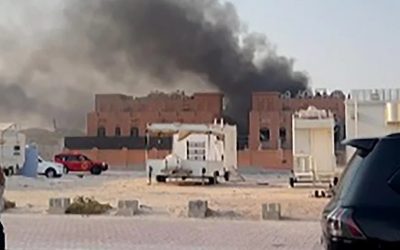
Israeli Airstrikes in Doha: Geopolitical Ramifications
On September 9, 2025, Israel executed an unprecedented airstrike codenamed Pisgat HaEsh (“Summit of Fire”) in Doha’s Legtaifiya district, marking the first confirmed Israeli military action on Qatari soil. The operation involved 15 Israeli fighter jets deploying over 10 munitions in rapid succession, targeting a residential compound housing the Hamas political bureau headquarters. Despite the scale of the operation, senior Hamas leaders, including chief negotiator Khalil al-Hayya, survived, though six individuals perished: five Hamas members, including al-Hayya’s son Humam and office director Jihad Abu Labal, along with a Qatari internal security officer.
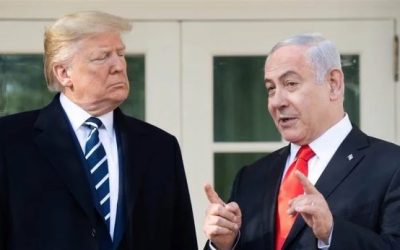
Trump, Netanyahu: A Widening Gulf in Policy
While the broader U.S.-Israel alliance remains intact, the collision of Trump’s transactional “America First” doctrine with Netanyahu’s inflexible security agenda has created unprecedented tensions, particularly regarding Iran, Gaza, regional diplomacy, and economic relations.
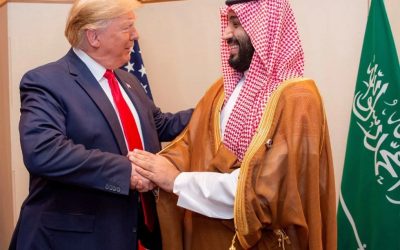
President Trump Undertakes High-Stakes Middle East Trip
A primary objective of the trip aligns with the “America First” doctrine: securing significant economic achievements. The administration seeks multi-billion-dollar investment commitments from the wealthy Gulf monarchies to bolster the U.S. economy. Press Secretary Karoline Leavitt noted that Trump aims to usher in a “golden age” of U.S.-Gulf relations founded on commerce and “peace through strength.”
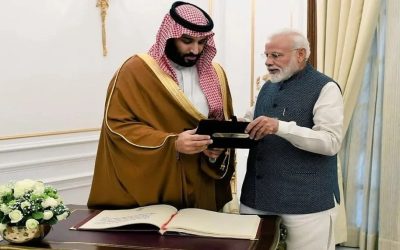
India and Saudi Arabia: Charting a Bold New Trajectory Together
Modi’s visit takes place against a complex regional backdrop in West Asia, which is grappling with ongoing conflicts, such as those in Gaza and Yemen and the resurgence of extremist groups, posing regional and global security threats.
In The News
Contact Me

http://x.com/i/article/2079323217815031808
http://x.com/i/article/2067674598762786816