
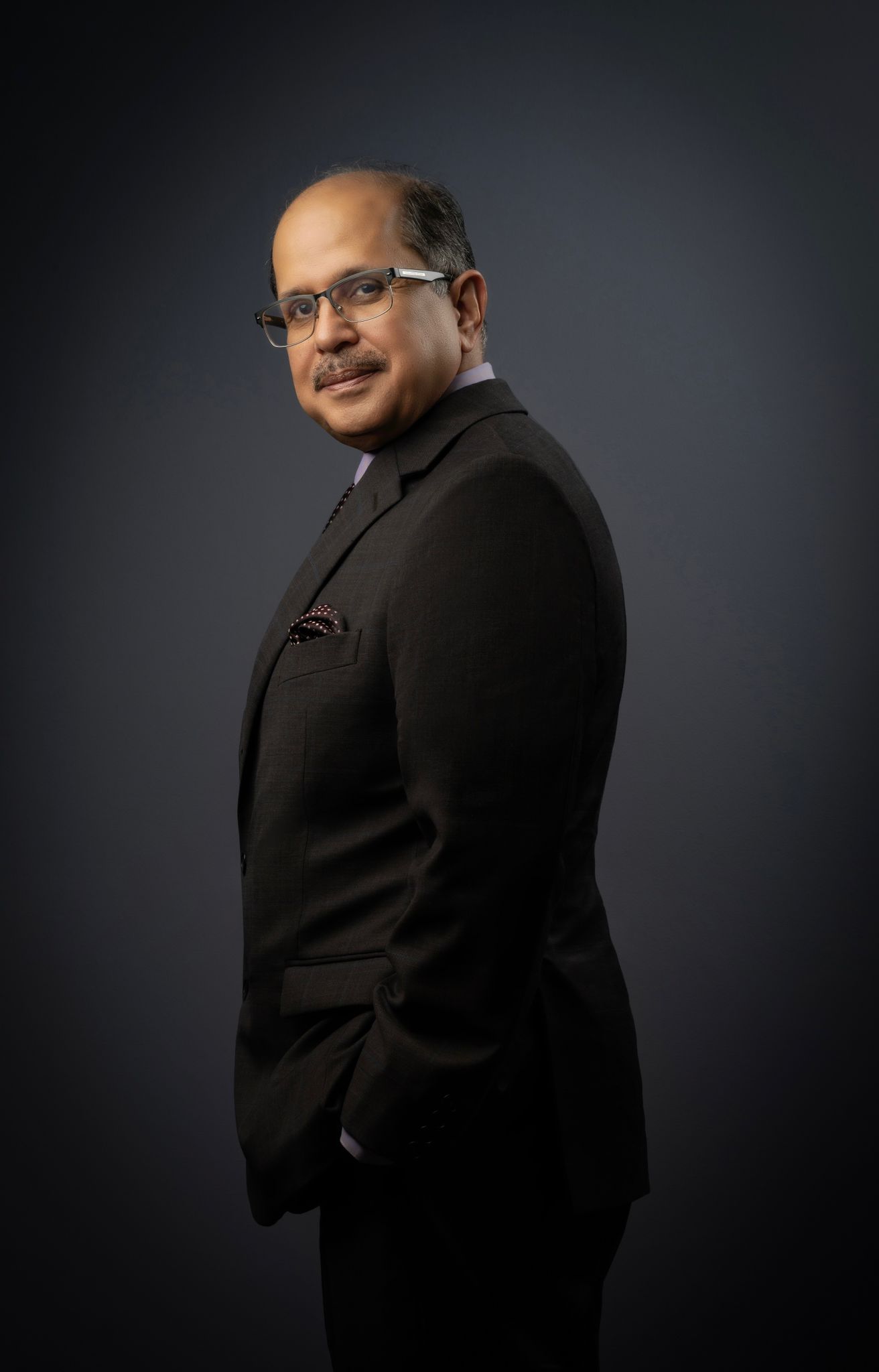
Former Indian Ambassador, Author, Toastmaster, Strategic Advisor and West Asia Analyst
Dr. Ausaf Sayeed
Ambassador Dr Ausaf Sayeed (b. September 18, 1963) is a seasoned Indian diplomat (IFS 1989 Batch) and strategic thinker who has served as Secretary (CPV and OIA) in the Ministry of External Affairs, as Ambassador of India to Saudi Arabia and Yemen, and as High Commissioner to Seychelles.
He also served as a diplomat in Egypt, Saudi Arabia, Qatar, Denmark, Yemen and Chicago. In India, he served as Joint Secretary (West Africa) in Delhi and as Regional Passport Officer in Hyderabad.
As Secretary (CPV & OIA), he was responsible for all matters relating to Consular, Passport, Visas, Overseas Emigration, and NRI & Overseas Indian Affairs, as well as affairs of GCC and WANA countries.
During his nearly 34 years of diplomatic service, Dr Sayeed has represented India’s interests in the political, economic, consular, and cultural realms and has fostered friendly relationships with nations around the world.





My Journey
Dr Ausaf Sayeed has handled various areas of work over his nearly 34 years of diplomatic service, including political, economic, consular, and cultural work, as well as Hajj management.
Dr Ausaf Sayeed holds a Master of Science and a PhD in Geology from Osmania University in Hyderabad, India, and an Advanced Diploma in Arabic from the American University in Cairo. He is a Competent Toastmaster (CTM) and recipient of Shri Y.G.K.Murthy Gold Medal from Osmania University, Hyderabad. The prestigious Yoga Mithra Award was also conferred on him by the S-Vyasa University for his efforts to promote Yoga in Saudi Arabia.
Delhi, India
Secretary (CPV & OIA)
Ministry of External Affairs
2022 – 2023
Riyadh, Saudi Arabia
Ambassador of India
2019 – 2022
Mahe, Seychelles
High Commissioner of India
2017 – 2019
Chicago, USA
Consul General of India
2013 – 2017
Sanaa, Yemen
Ambassador of India
2010 – 2013
Years in Service
Countries Worked in
Countries Visited
Photo Gallery
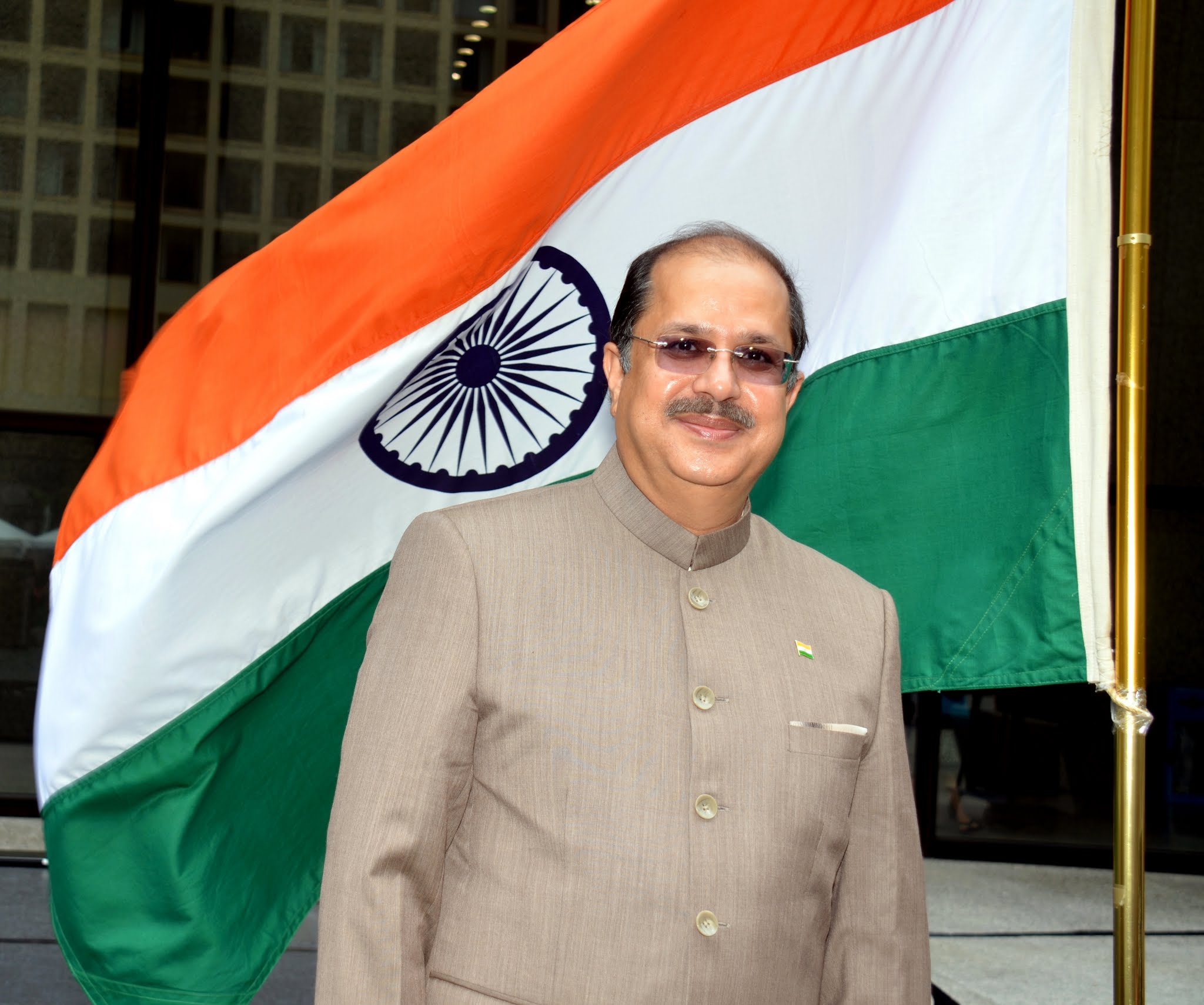
Dr. Ausaf Sayeed
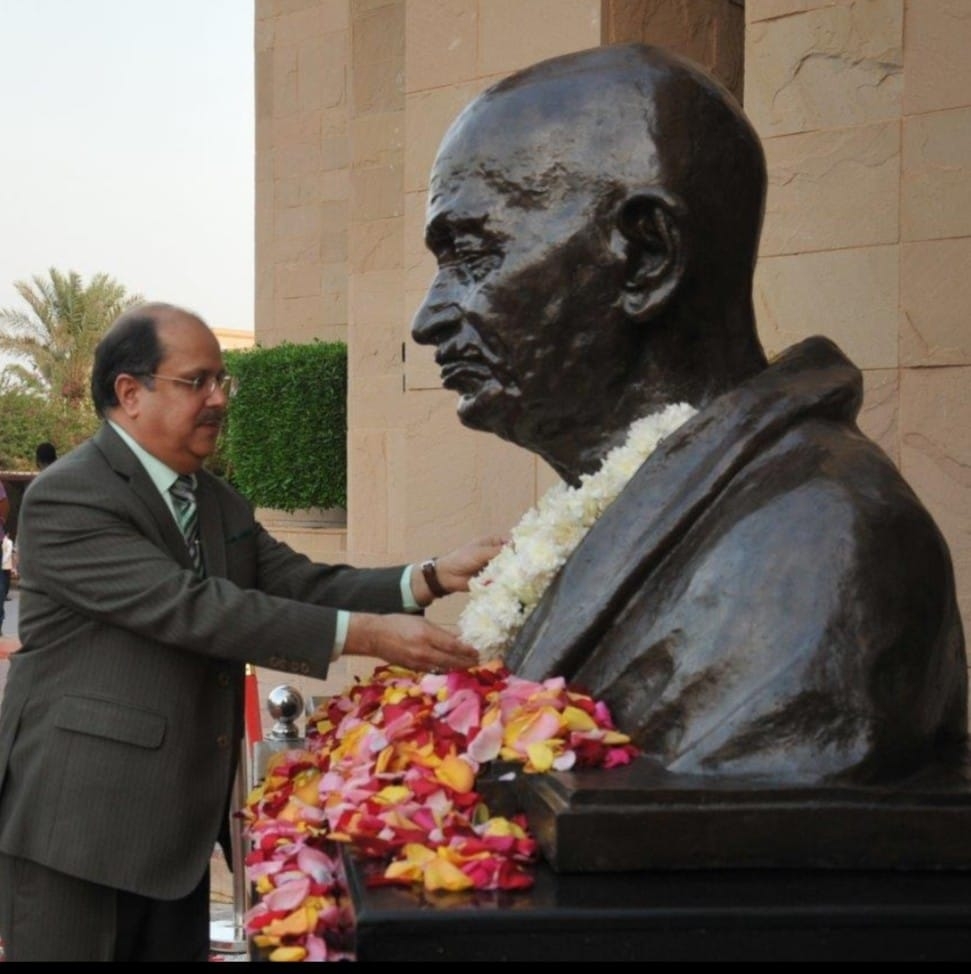
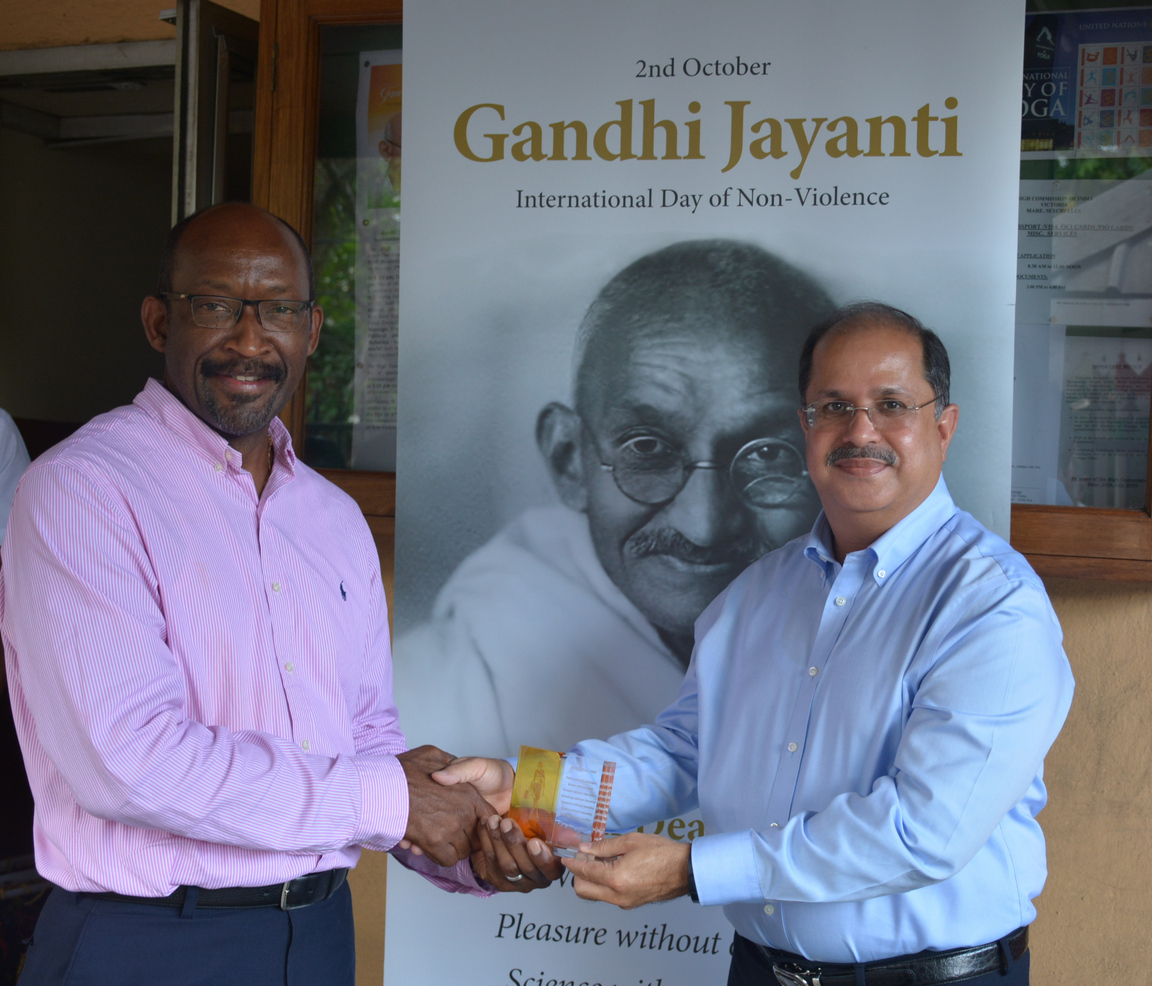
Gandhi Jayanti in Riyadh
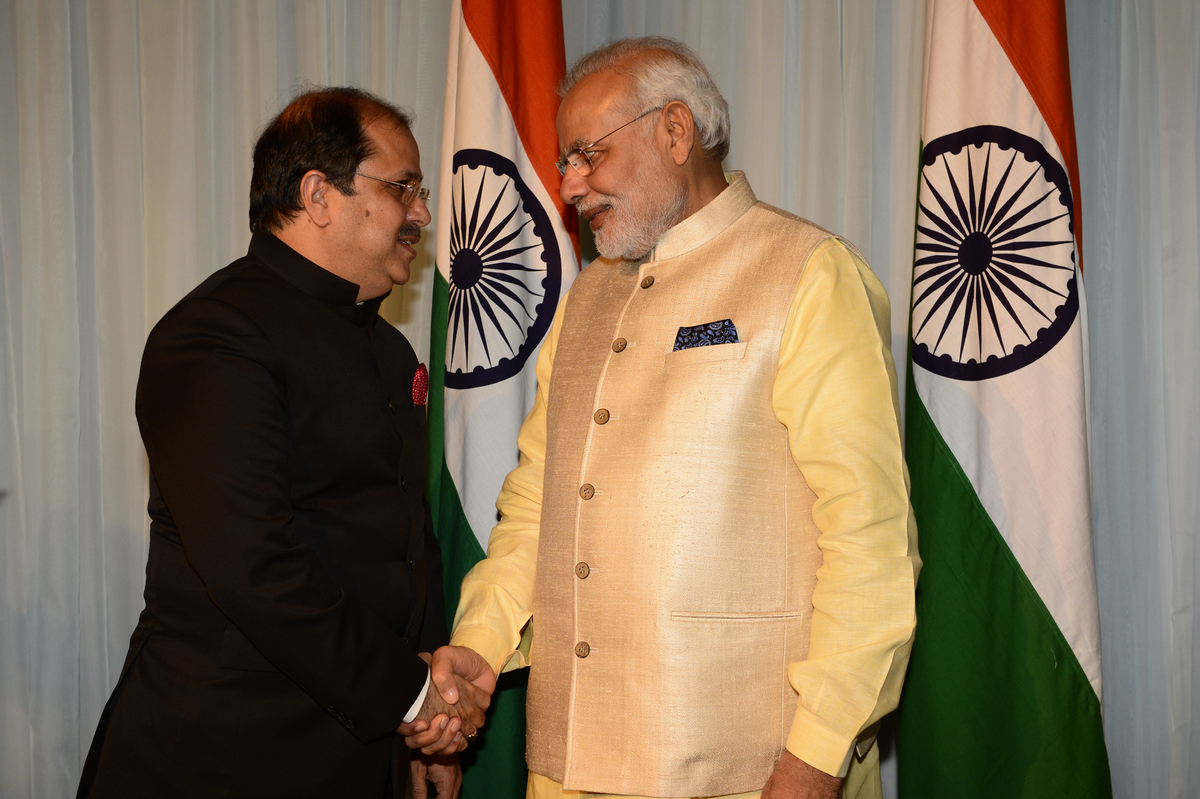
With Prime Minister Narendra Modi
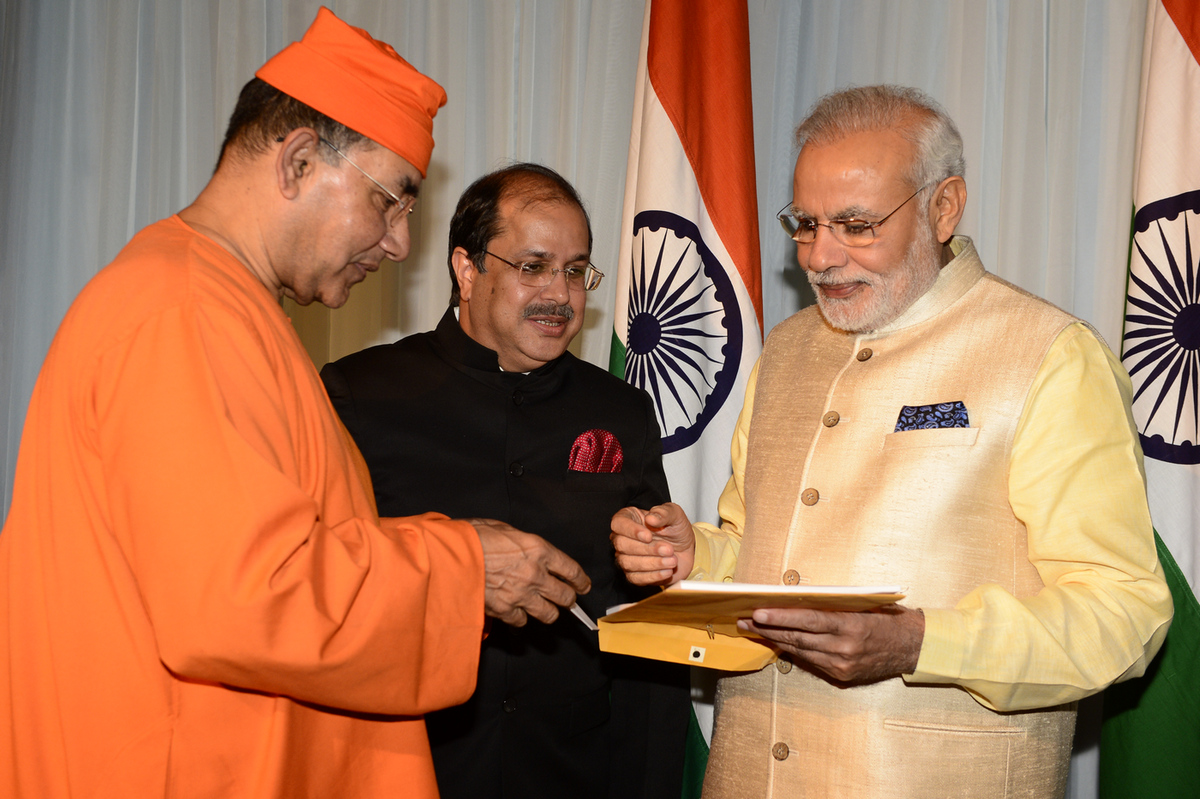
With PM Modi and Swami Ishatmananda
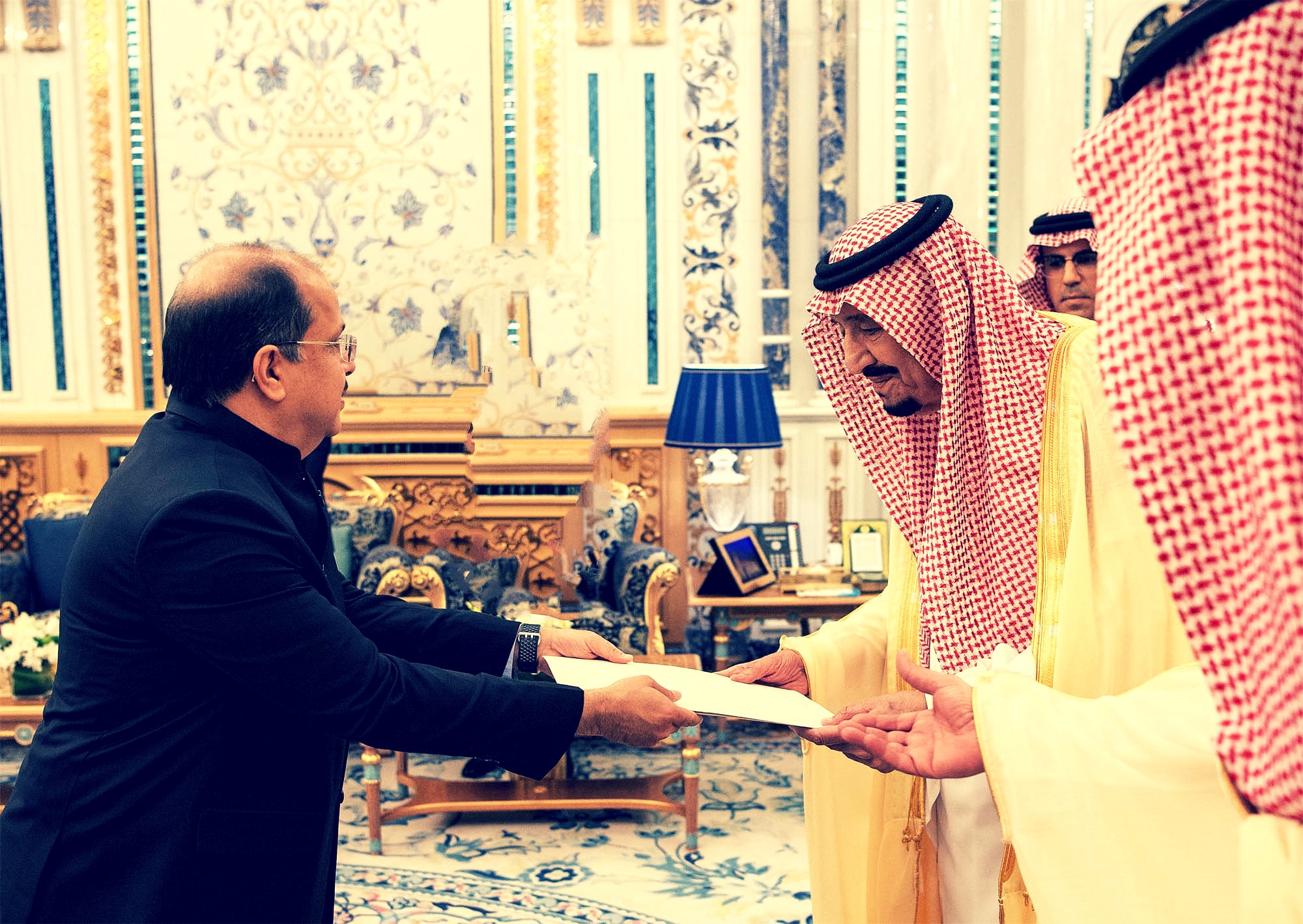
With His Majesty King Salman bin Abdulaziz Al Saud
With Crown Prince HRH Mohammad Bin Salman
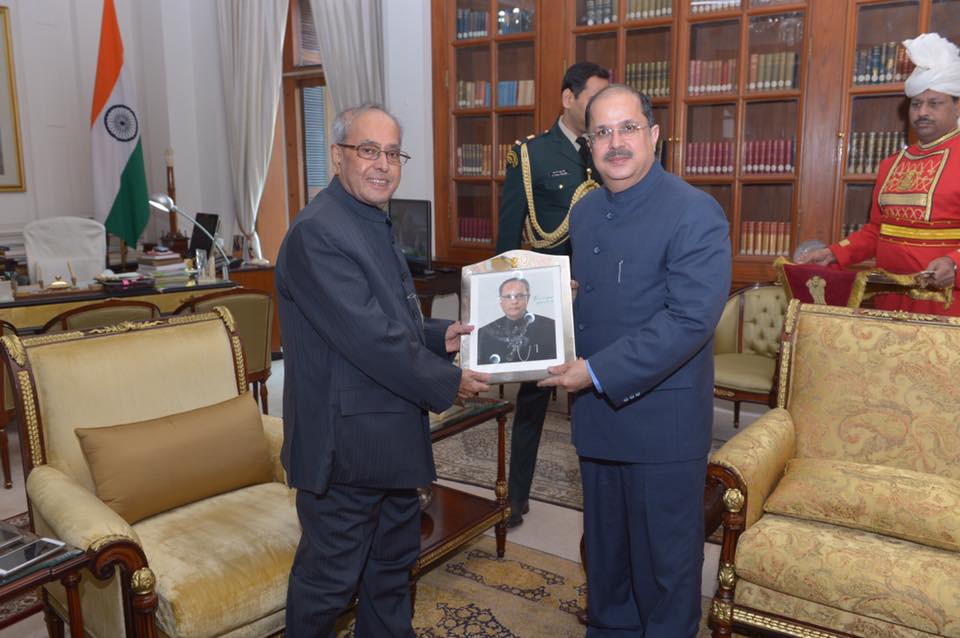
With former President Pranab Mukherjee
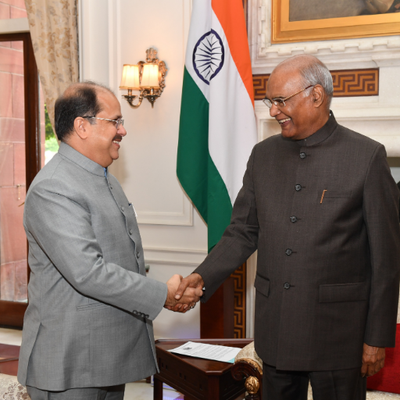
With former President Ram Nath Kovind
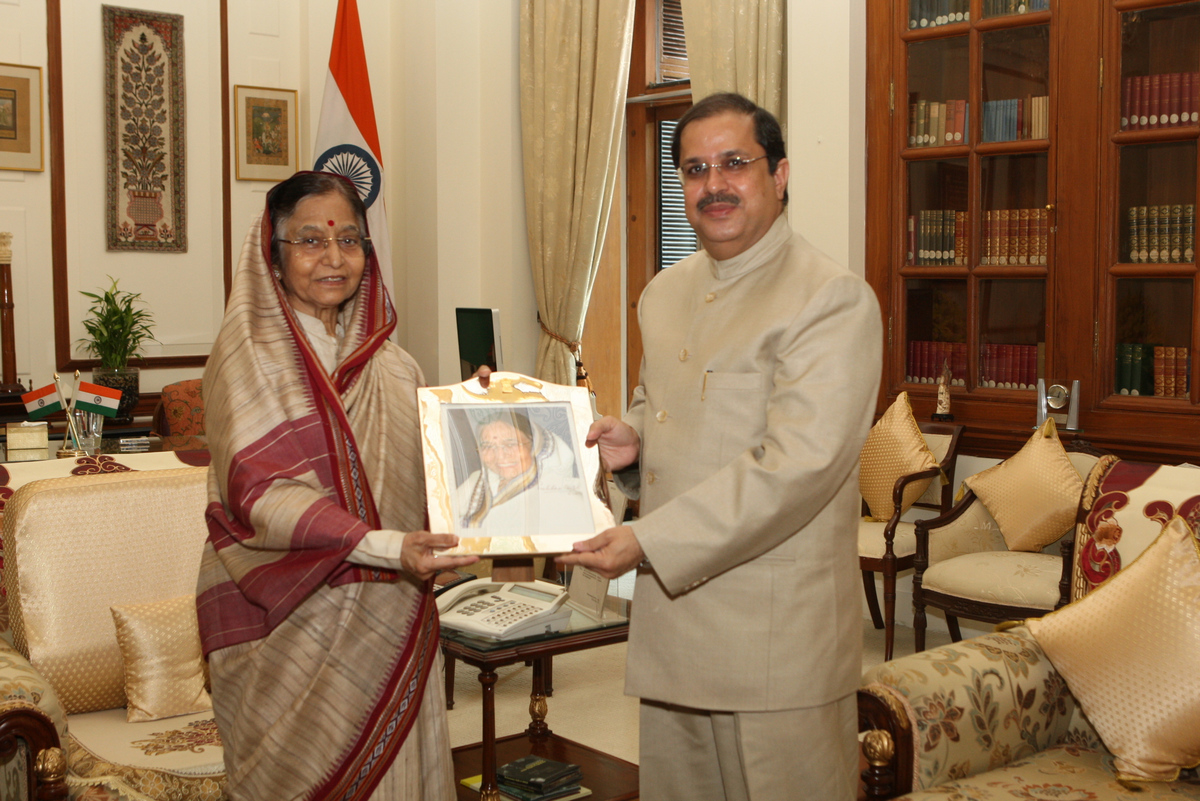
With former President Smt. Pratibha Patil
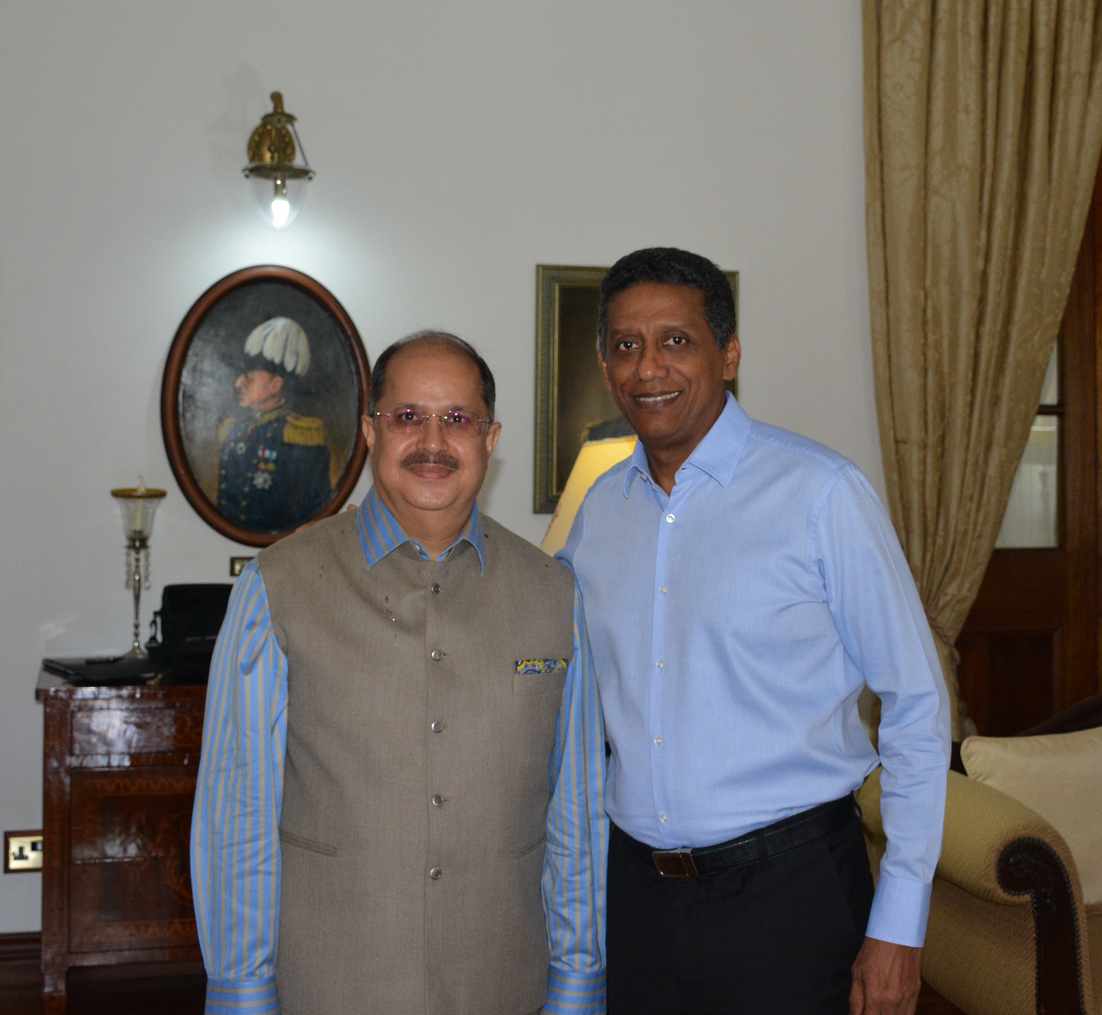
With former President Danny Faure of Seychelles
With Vice-President Vincent Meriton of Seychelles
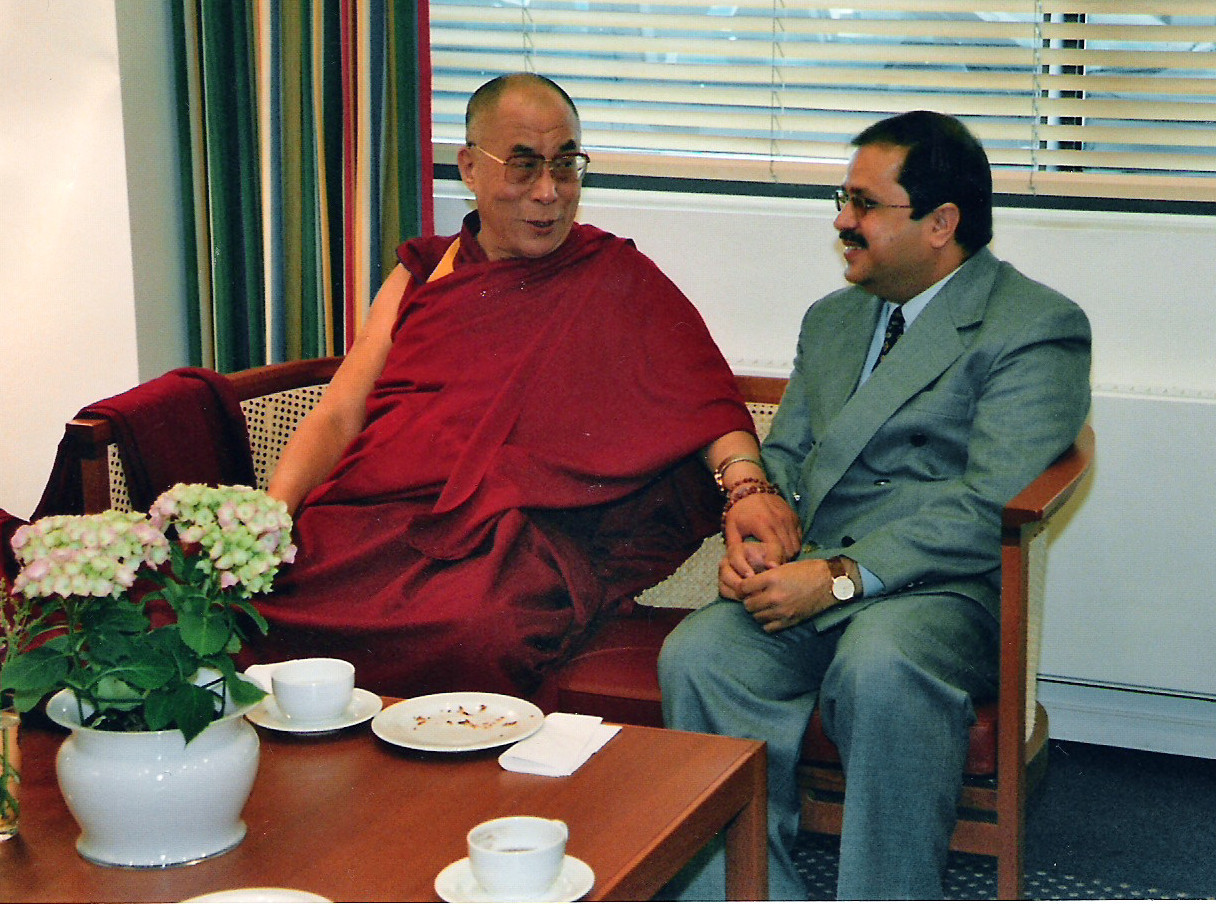
Dalai_Lama
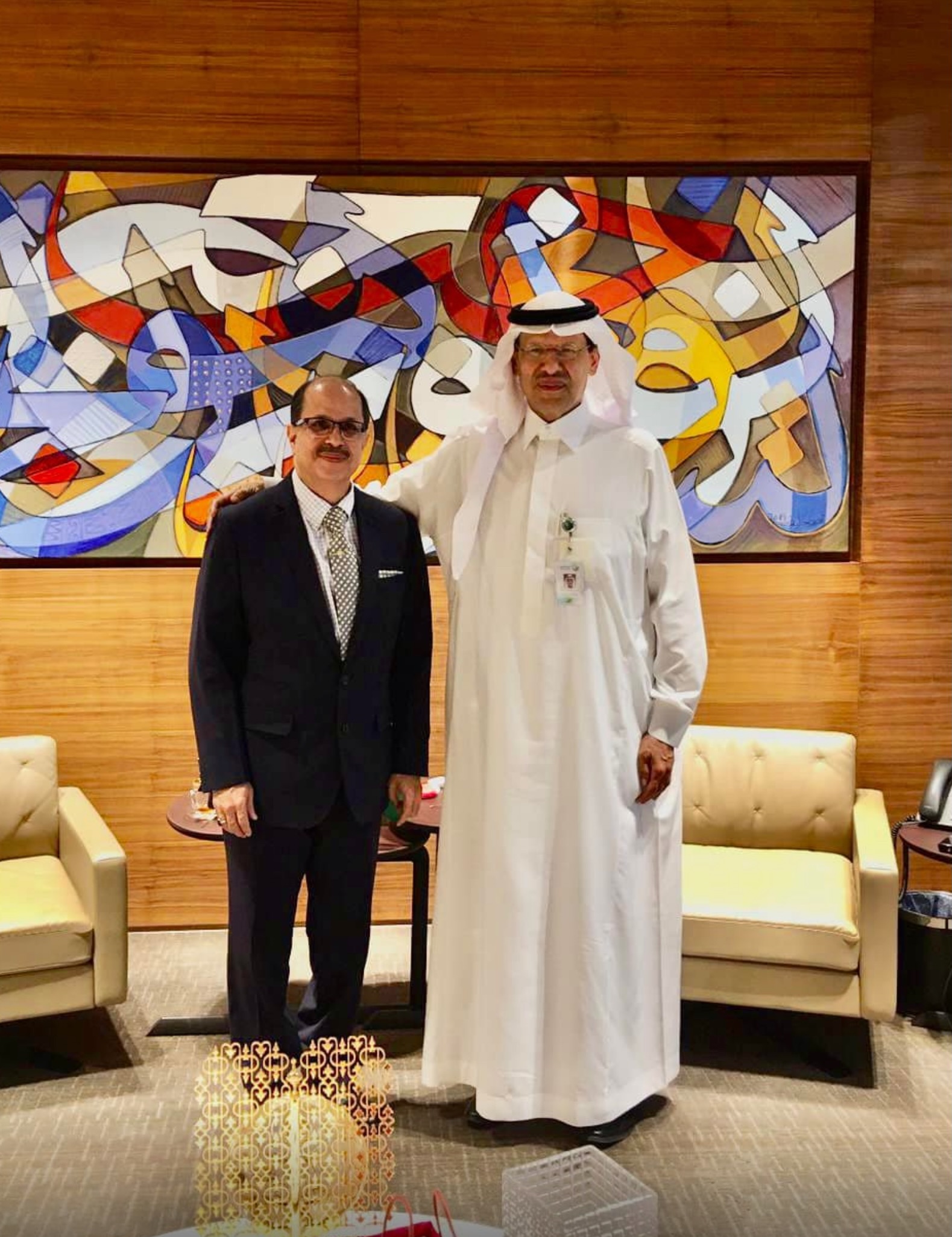
With HRH Prince AdbulAziz Bin Salman
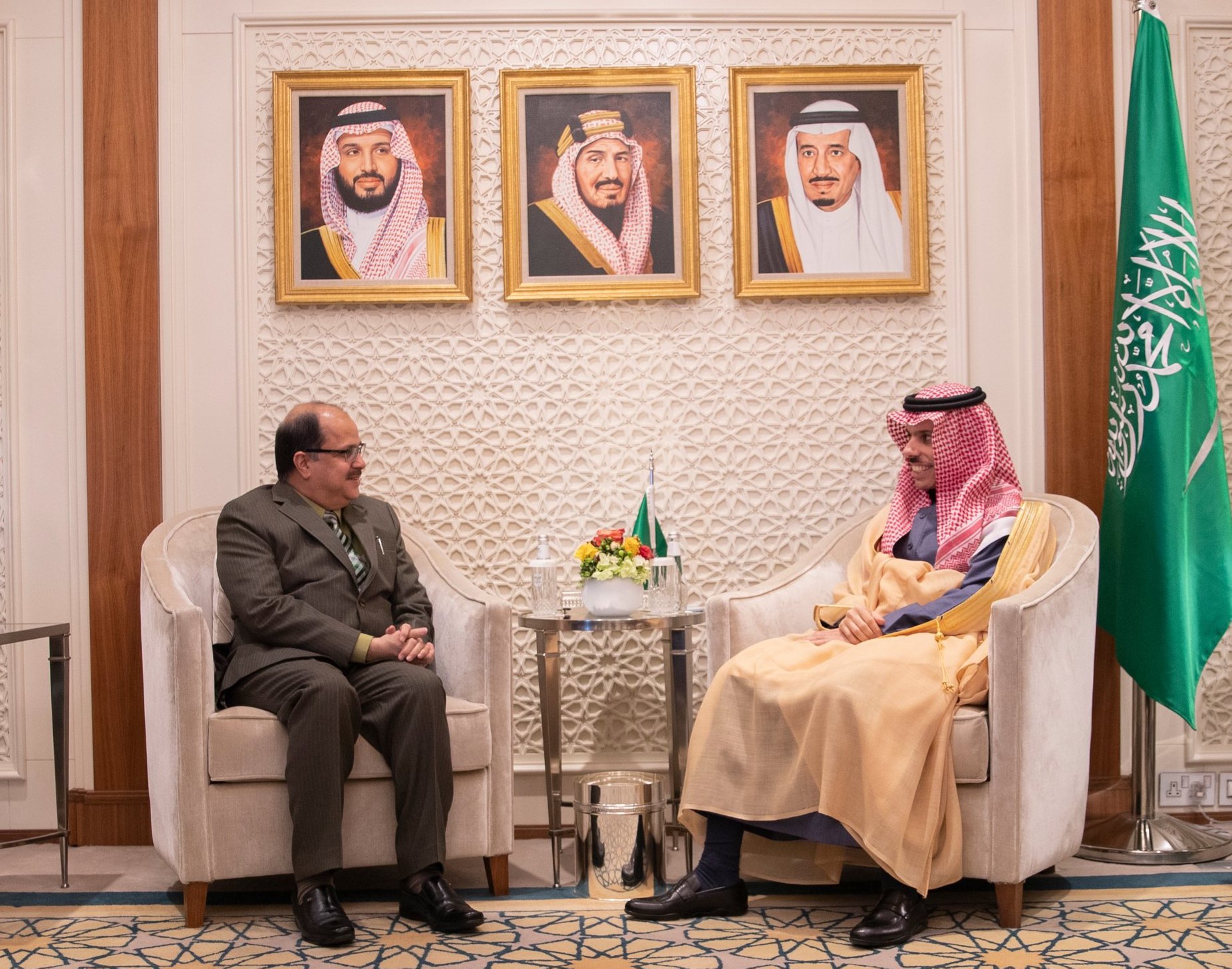
With Saudi Foreign Minister HH Faisal Bin Farhan
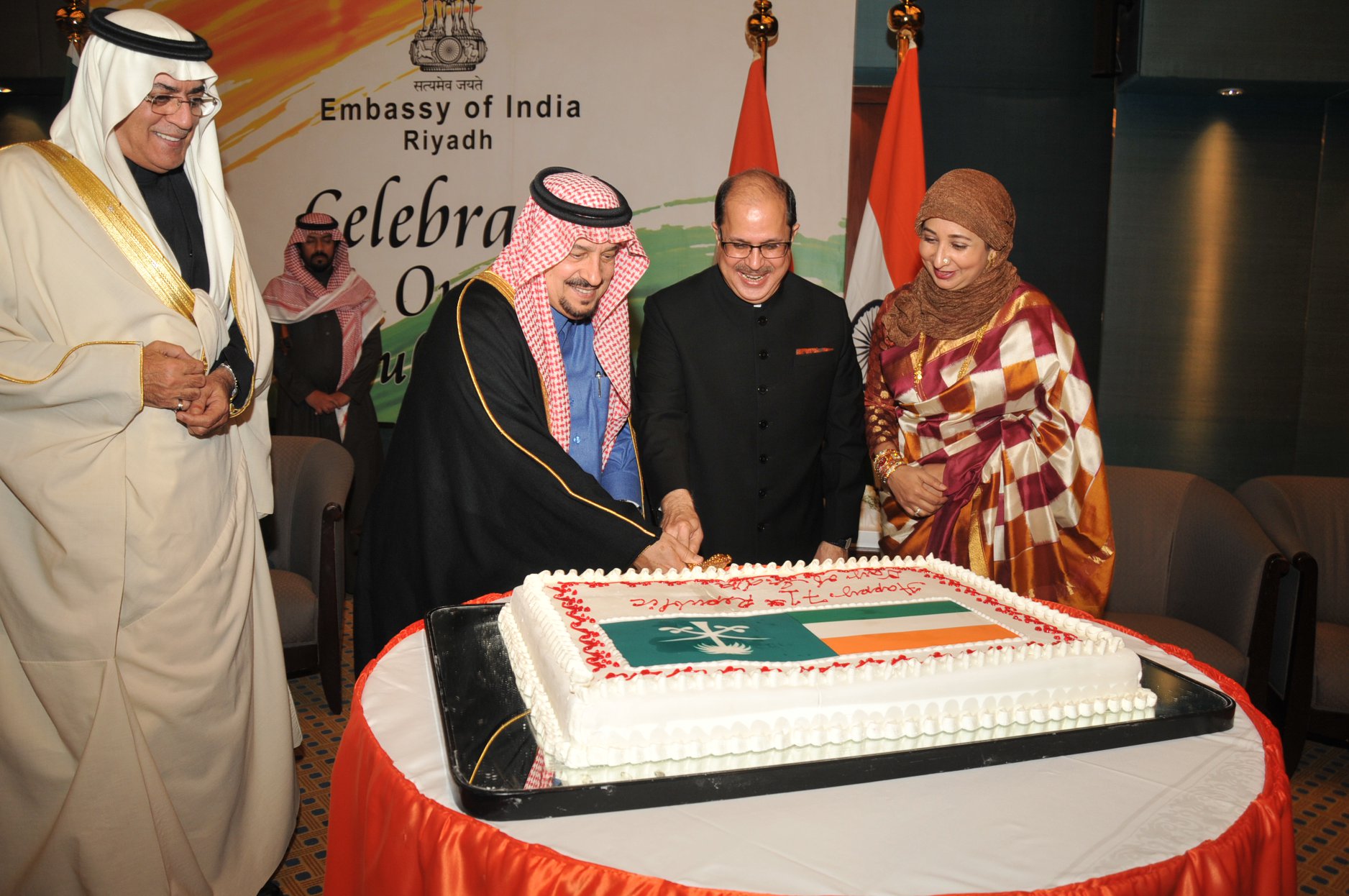
Republic Day Celebrations in Riyadh, 2020
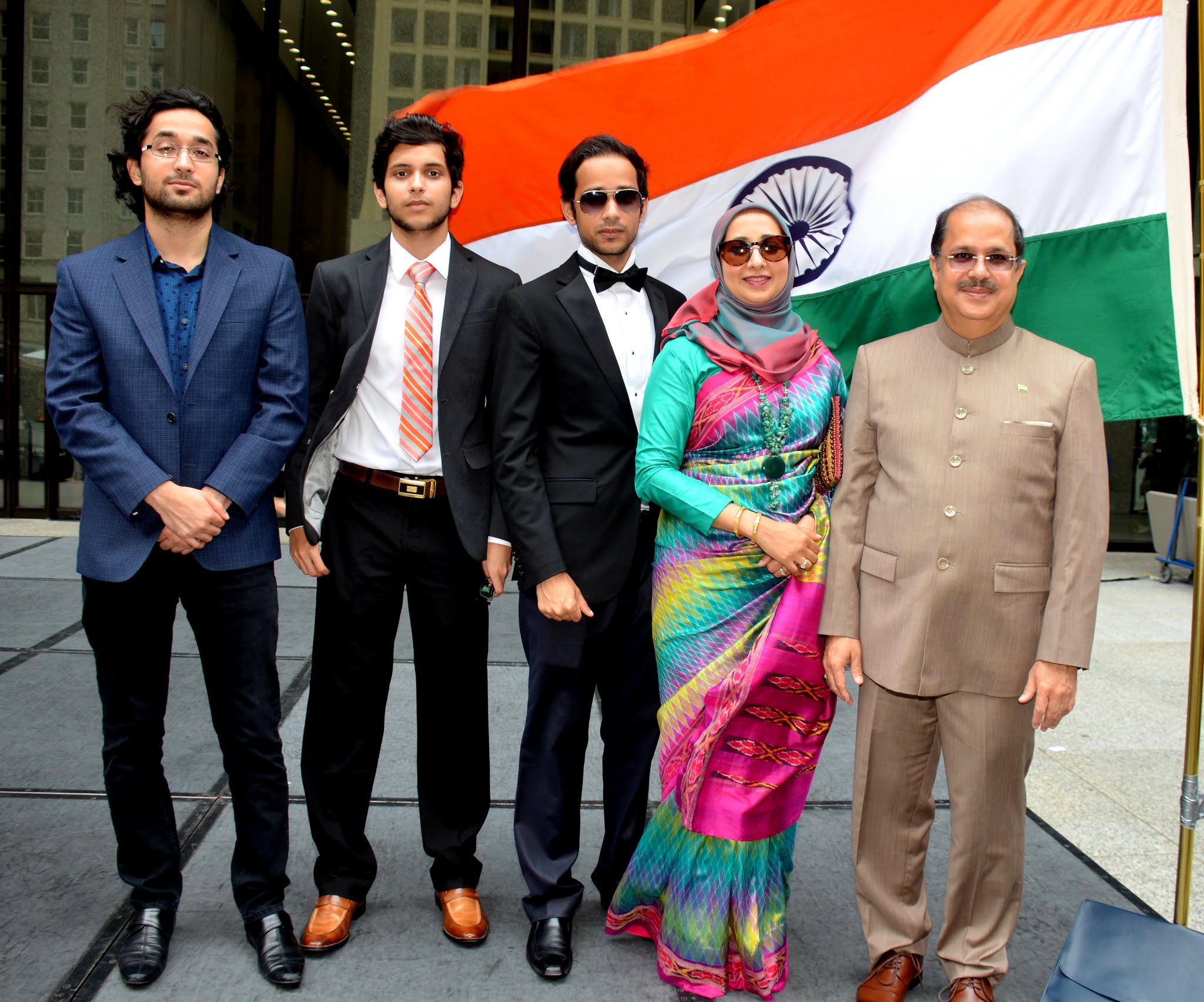
Independence Day Celebrations 2016, Chicago
My Publications
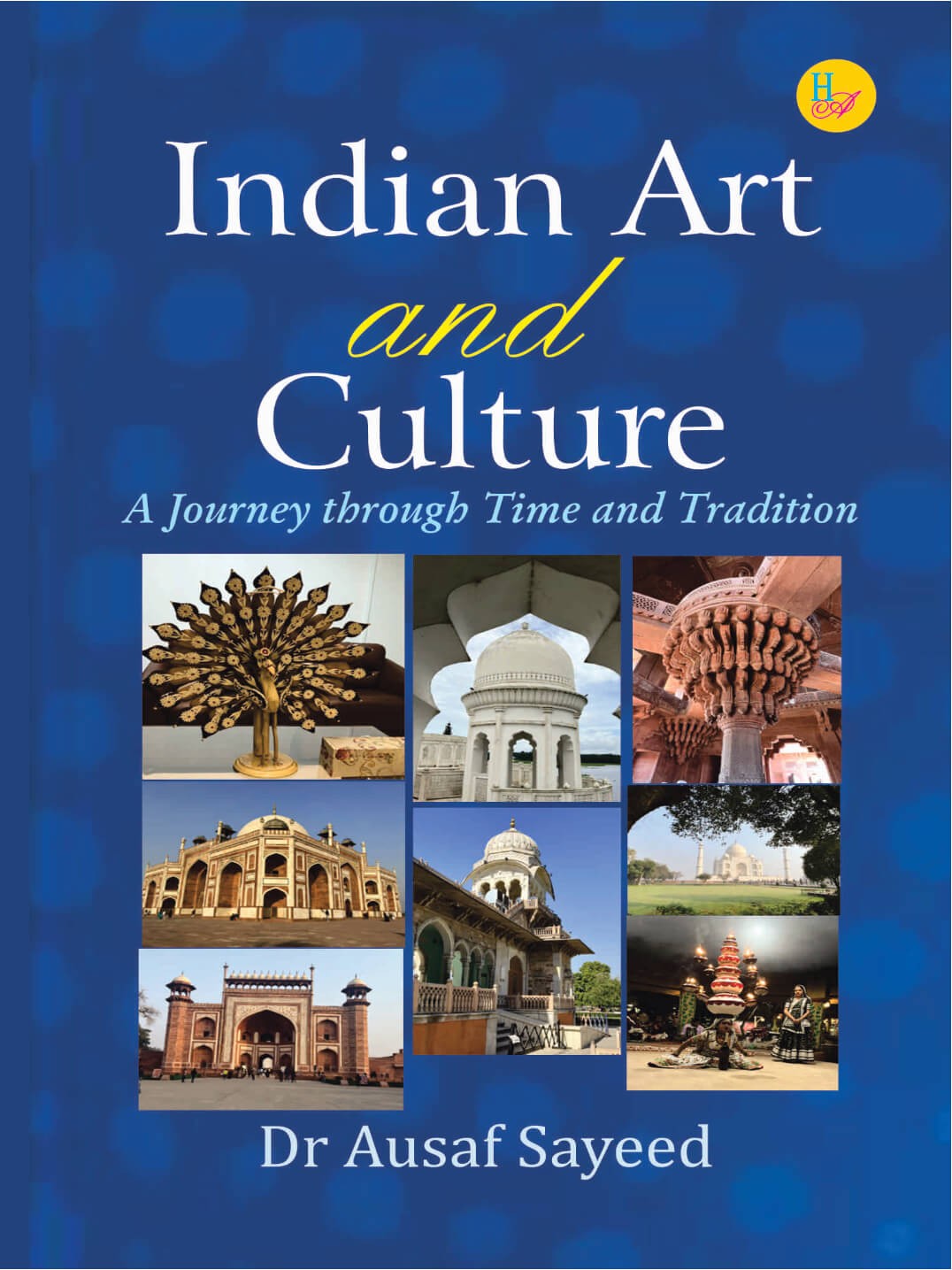
Indian Art & Culture – Time & Tradition
Indian Art & Culture
Trends In Indian Culture And Heritage
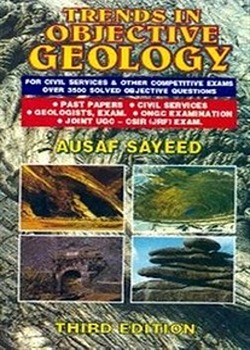
Trends in Objective Geology
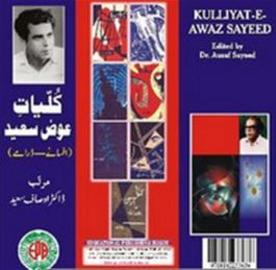
Kulliyat-e-Awaz Sayeed
Latest Blogs and Articles
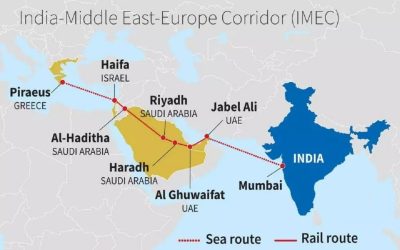
Explained: India-Middle East-Europe Economic Corridor (IMEC)
The IMEC is a planned transcontinental infrastructure network involving railways, shipping lanes, and digital and energy corridors connecting India to Europe through the Middle East. It is poised to become a vital economic and geopolitical initiative fostering regional integration and sustainable development.
History of the Title “Custodian of the Two Holy Mosques”
The title “Custodian of the Two Holy Mosques”, which translates to “Servant of the Two Noble Sanctuaries” or “Protector of the Two Holy Cities,” carries profound religious and political significance, symbolising stewardship over Islam’s two holiest sites. In the modern era, this designation has transcended ceremonial symbolism to become a strategic asset for Saudi Arabia in regional power struggles, particularly as rivals such as Turkey and Iran vie for influence within the Islamic world.
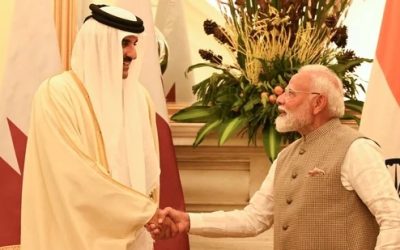
Delhi-Doha Agreement looks beyond energy trade
The India-Qatar relationship has evolved into a multifaceted strategic partnership encompassing security and defence cooperation, health care and education. The India-Qatar relationship illustrates how countries can overcome crises and challenges through pragmatic diplomacy, economic interdependence, and strategic patience.
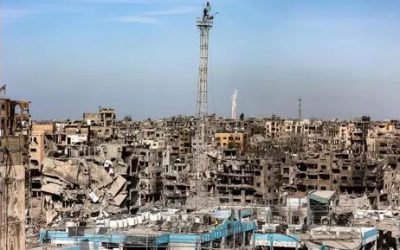
Truce to Peace, the Challenge in Gaza
After fifteen months of devastating conflict, Israel and Hamas have reached a ceasefire deal that aims to stop violence in Gaza and facilitate the release of hostages. The agreement, brokered by Qatar, Egypt, and the United States, marks a significant turning point in the long-standing Israeli-Palestinian conflict and raises hopes for lasting peace in the Middle East.
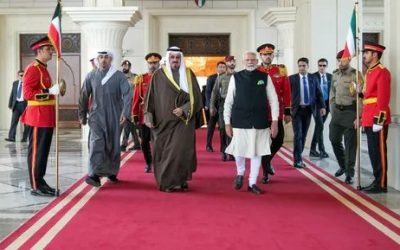
Changing Contours of India’s Relationship with the Gulf Countries
The changing geopolitical landscape, marked by a perceived US rebalancing, Russia’s setbacks in Syria, and a weakened Iran juxtaposed with a strengthened Israel, offers new opportunities for a stronger India-GCC strategic partnership to play a more proactive role in regional stability.
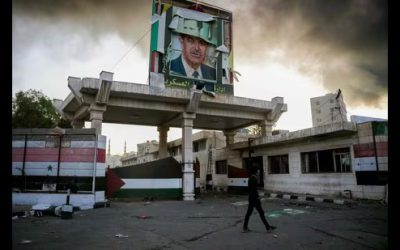
Arab Spring in Syria marks a Power Shift
The collapse of the Assad regime has far-reaching consequences. There is genuine fear that Syria could become a safe haven for extremist groups. The collapse of Assad’s regime represents a seismic shift in Middle Eastern geopolitics with far-reaching consequences. It significantly affected Russia and Iran’s influence in the region, severely weakening and disrupting Iran’s “Axis of Resistance.”
In The News
Contact Me

The Naseem Arifi Urdu Media Awards 2025 were presented today in an elegant gathering at the Media Academy of Telangana.
Veteran Urdu journalist Masoom Moradabadi was conferred with the Lifetime Achievement Award, while Dr Yameen Ansari, Ms Rohinee Singh, Fazal Baig, and